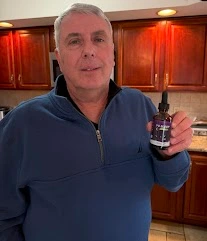
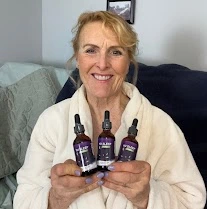
Struggling to drift off at night, wishing for a peaceful, natural slumber?
In a world that never sleeps, finding your own peaceful rest can feel like an uphill battle. Millions of people grapple with sleepless nights, tossing and turning, longing for the restorative power of deep sleep. The allure of quick fixes often leads to reliance on medications, but what if there was a better, more sustainable way?
This comprehensive guide, authored by Dr. Sandra Morris, a leading Sleep Health Researcher, will unveil the most effective strategies to help you fall asleep faster naturally, without medication. We'll explore evidence-based techniques, lifestyle adjustments, and natural aids that can transform your nights and revitalize your days.
The Pervasive Problem of Insomnia and Poor Sleep Quality
In today's fast-paced society, sleep has become an elusive luxury for many. Insomnia, characterized by difficulty falling or staying asleep, and poor sleep quality are not merely inconveniences; they are significant public health concerns with far-reaching consequences.
Chronic sleep deprivation can impact every aspect of your life, from your physical health to your mental well-being and daily productivity. You might experience persistent fatigue, irritability, difficulty concentrating, and even a weakened immune system. The long-term effects can be even more severe, including an increased risk of chronic diseases like heart disease, diabetes, and obesity. Understanding the scope of this problem is the first step toward finding sustainable solutions. Many people initially turn to prescription or over-the-counter sleep medications for relief, but these often come with side effects, dependency risks, and may not address the root causes of sleep disturbances. This is why exploring natural, holistic approaches is crucial for long-term sleep health.
💡 Key Takeaway
Insomnia and poor sleep quality are widespread issues with serious health implications. While medications offer quick fixes, natural strategies provide a sustainable path to better sleep without dependency or adverse side effects.
Foundational Pillars of Natural Sleep: Sleep Hygiene and Lifestyle
Before considering any supplements or advanced techniques, it's essential to build a strong foundation of excellent sleep hygiene and healthy lifestyle choices. These are the cornerstones of natural sleep.
Establish a Consistent Sleep Schedule
Going to bed and waking up at the same time every day, even on weekends, helps regulate your body's internal clock, known as your circadian rhythm. Consistency trains your body to expect sleep at a certain time, making it easier to fall asleep and wake naturally. Aim for 7-9 hours of sleep per night.
Optimize Your Sleep Environment
Your bedroom should be a sanctuary for sleep. Ensure it's dark, quiet, and cool. Block out light with blackout curtains, use earplugs or a white noise machine if necessary, and set your thermostat between 60-67°F (15-19°C). A comfortable mattress and pillows also play a significant role in sleep quality.
Limit Stimulants and Heavy Meals Before Bed
Avoid caffeine and nicotine, especially in the afternoon and evening, as they are powerful stimulants that can interfere with sleep for hours. Alcohol might make you feel drowsy initially, but it disrupts sleep later in the night. Heavy, spicy, or sugary meals close to bedtime can also cause indigestion and discomfort, making it harder to fall asleep.
Incorporate Regular Physical Activity
Moderate exercise during the day can significantly improve sleep quality. However, timing is key: avoid intense workouts too close to bedtime, as they can be stimulating. A brisk walk or light yoga earlier in the day can help you fall asleep faster and experience deeper sleep.
Manage Stress and Anxiety
Stress is a primary culprit for sleepless nights. Implement relaxation techniques into your daily routine, such as meditation, deep breathing exercises, mindfulness, or gentle stretching. Creating a calming pre-sleep ritual can signal to your body that it's time to wind down. Consider journaling to clear your mind of worries before bed.
Limit Screen Time Before Sleep
The blue light emitted from electronic devices like smartphones, tablets, and computers can suppress melatonin production, a hormone essential for sleep. Power down all screens at least an hour before bed. Instead, read a physical book, listen to calming music, or engage in a quiet hobby.
The Role of Diet and Nutrition in Sleep Induction
What you eat and drink throughout the day, and especially in the evening, can profoundly affect your ability to fall asleep. Optimizing your diet is a natural and effective way to promote better sleep.
Certain nutrients play a crucial role in the production of sleep-regulating hormones and neurotransmitters. For instance, foods rich in tryptophan, an amino acid, can help produce serotonin and melatonin, both vital for sleep. Magnesium is another mineral often called "nature's tranquilizer," as it helps relax muscles and calm the nervous system. Calcium also plays a role in the brain's use of tryptophan to make melatonin.
Consider incorporating foods like almonds, walnuts, cherries, fatty fish (salmon, tuna), leafy greens, and whole grains into your diet. These foods are packed with nutrients that support healthy sleep cycles. Conversely, avoid processed foods, excessive sugar, and anything that might cause digestive distress before bed. Remember, a balanced diet not only supports overall health but also creates an optimal internal environment for natural sleep induction. For more insights into how specific nutrients can aid sleep, you might find our article on sleep-quality-improvement-supplement.html particularly helpful.
💡 Key Takeaway
A balanced diet rich in sleep-promoting nutrients like tryptophan, magnesium, and calcium can significantly aid in falling asleep faster. Avoid stimulants and heavy, sugary meals before bed.
Mind-Body Practices for Rapid Relaxation and Sleep
Beyond physical adjustments, calming your mind is paramount for falling asleep quickly. Incorporating mind-body practices can help quiet racing thoughts and prepare your body for rest.
Meditation and Mindfulness
Spending even 10-15 minutes meditating before bed can reduce anxiety and promote a state of calm. Focusing on your breath or a guided sleep meditation helps to detach from daily worries, making the transition to sleep smoother and faster.
Progressive Muscle Relaxation (PMR)
PMR involves tensing and then relaxing different muscle groups throughout your body. This technique helps you become aware of physical tension and consciously release it, leading to deep relaxation that aids in falling asleep faster.
Deep Breathing Exercises
Simple deep breathing techniques, such as the 4-7-8 method, can activate your parasympathetic nervous system, responsible for rest and digestion. Inhale for 4 counts, hold for 7, and exhale for 8. Repeat several times to calm your body and mind.
Gentle Yoga or Stretching
Light stretching or restorative yoga before bed can release physical tension and promote mental tranquility. Avoid vigorous poses and focus on gentle movements that encourage relaxation, helping your body unwind before sleep.
Reading a Book
Engaging in a non-stimulating activity like reading a physical book (not on a screen) can be an excellent way to wind down. It distracts your mind from daily stressors and helps create a mental separation between your waking hours and sleep time.
Warm Bath or Shower
A warm bath or shower before bed can help relax your muscles and raise your body temperature. As your body cools down afterward, it mimics the natural temperature drop that occurs as you prepare for sleep, signaling to your brain that it's time to rest.
Understanding Natural Sleep Aids and When to Consider Them
Even with impeccable sleep hygiene and stress management, some individuals may still find it challenging to fall asleep quickly. This is where natural sleep aids can offer gentle support, bridging the gap without the harshness of pharmaceutical options.
Natural sleep aids typically consist of herbs, vitamins, and minerals known for their calming or sleep-inducing properties. They work by supporting the body's natural sleep processes, rather than forcing sleep. It's crucial to approach these with an understanding of their mechanisms and to choose high-quality, reputable products. Always consult with a healthcare professional before introducing any new supplement, especially if you have existing health conditions or are taking other medications.
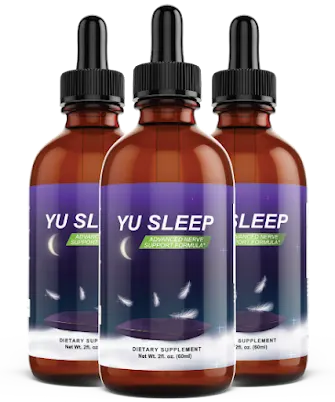
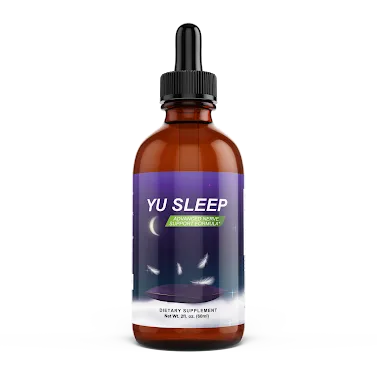
For those seeking comprehensive natural sleep support, a well-formulated supplement like Yu Sleep can be an excellent option. Yu Sleep is designed to support the body's natural ability to relax and fall asleep faster, promoting deeper, more restorative sleep without the grogginess often associated with prescription sleep aids. It's an example of a product that combines several beneficial ingredients to offer a synergistic effect. This approach aligns with the principles discussed in articles focusing on natural-sleep-support-relief-remedies.html, which emphasize holistic and gentle solutions.
💡 Key Takeaway
Natural sleep aids can provide effective, gentle support for falling asleep faster when lifestyle changes aren't quite enough. Look for well-formulated supplements that support the body's natural sleep mechanisms.
Key Natural Ingredients for Sleep Support
Melatonin
Role: A hormone naturally produced by the pineal gland that regulates the sleep-wake cycle. Supplementing can help reset the circadian rhythm, especially useful for jet lag or shift work, and shorten time to fall asleep.
0.5-5mgMagnesium
Role: An essential mineral involved in over 300 biochemical reactions in the body. It helps relax muscles, calm the nervous system, and regulate neurotransmitters that promote sleep, such as GABA.
200-400mgL-Theanine
Role: An amino acid found in green tea that promotes relaxation without drowsiness. It increases alpha brain waves, associated with a state of "wakeful relaxation," and can reduce stress and improve sleep quality.
100-200mgValerian Root
Role: A popular herb used for centuries as a sleep aid. It's believed to increase levels of GABA, a neurotransmitter that inhibits nerve activity, leading to a calming effect and easier sleep onset.
300-600mg extractChamomile
Role: Known for its mild sedative properties, chamomile contains an antioxidant called apigenin, which binds to specific receptors in the brain that decrease anxiety and initiate sleep.
200-400mg extract5-HTP (5-Hydroxytryptophan)
Role: A precursor to serotonin, which in turn converts to melatonin. Supplementing with 5-HTP can help boost serotonin levels, potentially improving mood and promoting better sleep.
50-100mgWhy Yu Sleep Stands Out as a Natural Sleep Solution
Among the myriad of natural sleep supplements available, Yu Sleep is formulated with a specific blend of ingredients designed to address multiple facets of sleep difficulty, helping you fall asleep faster and achieve deeper, more restorative rest.
Yu Sleep combines several of the powerful natural ingredients mentioned above, carefully selected for their synergistic effects. The formulation aims to calm the nervous system, promote relaxation, and support the body's natural production of sleep-inducing hormones. Unlike many prescription sleep aids that can leave you feeling groggy or lead to dependency, Yu Sleep is designed to be gentle and non-habit forming, allowing you to wake up feeling refreshed and energized, not sluggish.
Choosing a high-quality supplement is crucial. Yu Sleep is manufactured in the USA in a GMP-certified facility, ensuring purity, potency, and safety. It's a natural, transparent option for those seeking effective relief from insomnia and poor sleep quality. If you're looking for an all-encompassing natural remedy for insomnia, a product like Yu Sleep offers a promising path. Learn more about how a targeted supplement can be an effective insomnia-remedy-natural-supplement.html to complement your sleep hygiene practices.
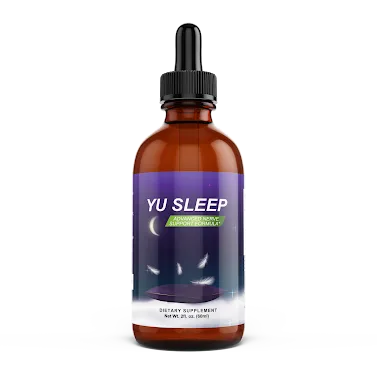
Ready to Experience Deep, Restorative Sleep?
Don't let sleepless nights dictate your days. Yu Sleep offers a natural, effective path to falling asleep faster and enjoying truly restorative rest.
- ✓ Supports natural sleep onset
- ✓ Promotes deeper, more restful sleep
- ✓ Wakes you feeling refreshed, not groggy
- ✓ 100% natural, non-habit forming ingredients
- ✓ Made in the USA, GMP certified




What Our Customers Say
"I used to dread bedtime, tossing and turning for hours. Yu Sleep has been a game-changer. I fall asleep so much faster now, and the sleep is deeper. I wake up feeling genuinely rested for the first time in years!"
"As a busy professional, stress often kept me awake. Yu Sleep helps me calm down and drift off naturally. No grogginess in the morning, just clear-headed energy. It's truly a natural miracle."
"I was skeptical about natural sleep aids, but Yu Sleep exceeded my expectations. My sleep quality has improved dramatically, and I haven't felt this well-rested in ages. Highly recommend!"
Frequently Asked Questions
What is the most effective natural way to fall asleep faster?
+The most effective natural approach often involves a combination of strategies. Establishing a consistent sleep schedule, optimizing your sleep environment, practicing relaxation techniques like meditation or deep breathing, and being mindful of diet and exercise are foundational. For some, incorporating natural sleep aids like melatonin or magnesium can provide additional support.
How long should it take to fall asleep naturally?
+Ideally, it should take between 10 to 20 minutes to fall asleep once you get into bed. This timeframe is often referred to as "sleep latency." If you consistently take much longer, it could indicate an underlying sleep issue or that your sleep hygiene needs improvement.
Can diet affect how quickly I fall asleep?
+Absolutely. Certain foods and drinks can significantly impact your ability to fall asleep. Heavy meals close to bedtime, caffeine, and alcohol are notorious sleep disruptors. Conversely, foods rich in tryptophan (like turkey, nuts, and seeds), magnesium, and calcium can promote relaxation and aid sleep.
Are natural sleep supplements safe for long-term use?
+While many natural sleep supplements are considered safe for short-term use, their long-term safety can vary depending on the ingredient and individual health. Ingredients like melatonin are generally safe, but it's crucial to consult with a healthcare professional before starting any new supplement, especially for prolonged periods, to ensure it's appropriate for your specific needs and won't interact with other medications.
What role does stress play in difficulty falling asleep?
+Stress and anxiety are major contributors to insomnia and difficulty falling asleep. When stressed, your body produces cortisol, a stimulating hormone that keeps you alert. Chronic stress can disrupt your natural sleep-wake cycle. Implementing stress-reduction techniques such as mindfulness, yoga, or journaling can be highly effective in preparing your mind for sleep.
When should I consider seeing a doctor for sleep problems?
+If you consistently struggle to fall asleep, wake up frequently, or feel tired even after a full night's sleep for more than a few weeks, it's advisable to consult a doctor or a sleep specialist. They can help identify underlying medical conditions, sleep disorders, or other factors contributing to your poor sleep and recommend appropriate treatments.
Related Articles