Are Menopausal Hot Flashes Stealing Your Precious Sleep?
For millions of women, the journey through menopause brings a host of changes, many of which profoundly impact sleep. Among the most disruptive are hot flashes and night sweats, which can transform a peaceful night into a relentless cycle of waking, discomfort, and exhaustion.
Understanding these challenges is the first step towards reclaiming your nights. This comprehensive guide, informed by the latest research in 2026, delves into the intricate connection between menopause, hot flashes, and sleep disturbances, offering practical strategies to help you find relief and achieve deep, restorative sleep once more.
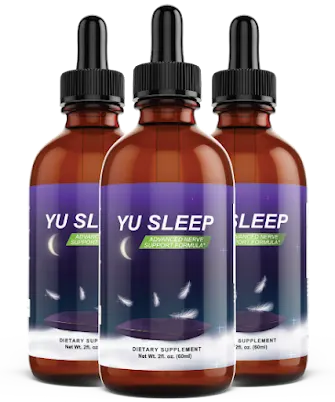
The Menopause-Sleep Connection: More Than Just Hot Flashes
Menopause is a natural biological process marking the end of a woman's reproductive years, typically occurring between ages 45 and 55. While the cessation of menstruation is the hallmark, the transition, known as perimenopause, can last for several years and is characterized by significant hormonal fluctuations.
These hormonal shifts, primarily a decline in estrogen and progesterone, are responsible for a cascade of symptoms that can profoundly impact sleep quality. While hot flashes often take center stage, other factors contribute to the widespread issue of menopausal sleep disturbances.
Understanding the Role of Hormones
Estrogen and progesterone are not just reproductive hormones; they also play crucial roles in regulating sleep. Estrogen, for instance, influences serotonin and norepinephrine, neurotransmitters involved in sleep-wake cycles. Its decline can lead to disruptions in these pathways, making it harder to fall asleep and stay asleep. Progesterone has mild sedative effects, and its decrease can contribute to increased anxiety and wakefulness.
Moreover, the hormonal changes can affect the body's internal thermostat, leading to the infamous hot flashes and night sweats. These sudden surges of heat, often accompanied by sweating and palpitations, are potent sleep disruptors. Waking up drenched in sweat forces women to change clothes or bedding, fragmenting sleep and making it difficult to return to a restful state. The cumulative effect is often chronic insomnia and persistent fatigue.
Beyond these direct impacts, hormonal shifts can also exacerbate other sleep disorders. For example, some studies suggest a link between menopause and an increased risk of sleep apnea, even in women who were not previously susceptible. The relaxation of throat muscles due to lower estrogen levels can contribute to this.
The interplay of these factors creates a challenging environment for sleep during menopause. It's a complex issue that requires a multi-faceted approach, addressing both the physiological and psychological dimensions of sleep health.
💡 Key Takeaway
Menopausal sleep disturbances are multifaceted, driven primarily by declining estrogen and progesterone. These hormonal shifts not only cause disruptive hot flashes and night sweats but also impact neurotransmitter function and can increase the risk of other sleep disorders like sleep apnea, leading to chronic insomnia and fatigue.
Common Sleep Disturbances During Menopause
While hot flashes are a primary culprit, several other sleep-related issues frequently arise during the menopausal transition, often compounding the problem and making restful sleep seem like an elusive dream.
Insomnia
Difficulty falling asleep, staying asleep, or waking up too early and being unable to return to sleep are classic signs of insomnia. Hormonal fluctuations, anxiety, and the physical discomfort of hot flashes all contribute to its prevalence during menopause. This can lead to significant daytime impairment and reduced quality of life.
Night Sweats
These are hot flashes that occur during sleep, often waking you suddenly. The intense heat and sweating can drench pajamas and bedding, requiring changes and making it incredibly difficult to settle back down. Night sweats are a major cause of sleep fragmentation and poor sleep quality.
Increased Anxiety and Depression
Hormonal shifts can impact mood-regulating neurotransmitters, leading to increased feelings of anxiety, stress, and even depression. These psychological factors can make it harder to relax and fall asleep, creating a vicious cycle where poor sleep exacerbates mood disturbances, and vice versa.
Restless Legs Syndrome (RLS)
Some women experience an onset or worsening of RLS during menopause. This neurological condition causes an irresistible urge to move the legs, often accompanied by uncomfortable sensations, particularly in the evening or night. RLS can make it nearly impossible to fall asleep and can disrupt sleep throughout the night.
Sleep-Disordered Breathing
While often associated with men, the risk of developing or worsening sleep apnea increases for women after menopause. This is partly due to hormonal changes affecting muscle tone in the upper airway. Sleep apnea causes repeated pauses in breathing during sleep, leading to snoring, gasping, and frequent awakenings, often without the individual being aware.
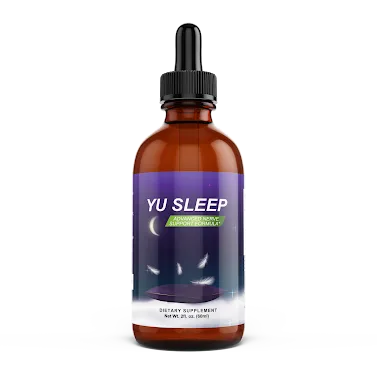
Effective Strategies to Improve Sleep During Menopause
Navigating menopausal sleep disturbances requires a holistic approach, combining lifestyle adjustments, medical interventions, and potentially natural supplements. The goal is to address the root causes and mitigate the symptoms that disrupt sleep.
1. Lifestyle and Behavioral Adjustments
These are often the first line of defense and can yield significant improvements:
- Optimize Your Sleep Environment: Keep your bedroom cool, dark, and quiet. Use breathable bedding and sleepwear. A room temperature between 60-67°F (15-19°C) is generally recommended for optimal sleep.
- Consistent Sleep Schedule: Go to bed and wake up at the same time every day, even on weekends. This helps regulate your body's internal clock.
- Mindful Eating and Drinking: Avoid heavy meals, caffeine, and alcohol close to bedtime. Caffeine can stay in your system for hours, and alcohol, while initially sedating, often leads to fragmented sleep later in the night.
- Regular Exercise: Engage in moderate exercise most days of the week, but avoid intense workouts too close to bedtime. Exercise can improve sleep quality and reduce stress.
- Stress Reduction Techniques: Practice meditation, deep breathing exercises, yoga, or spend time in nature. Managing stress and anxiety is crucial for better sleep, especially during a period of significant life change.
- Limit Screen Time: The blue light emitted from electronic devices can interfere with melatonin production, a hormone essential for sleep. Power down screens at least an hour before bed.
2. Medical and Therapeutic Interventions
When lifestyle changes aren't enough, medical options may be considered:
- Hormone Replacement Therapy (HRT): For many women, HRT can be highly effective in reducing hot flashes and night sweats, thereby improving sleep. However, HRT carries potential risks and benefits that must be thoroughly discussed with a healthcare provider.
- Non-Hormonal Medications: Certain antidepressants (SSRIs/SNRIs) and other medications can help manage hot flashes and improve sleep for women who cannot or choose not to use HRT.
- Cognitive Behavioral Therapy for Insomnia (CBT-I): This is a highly effective, evidence-based therapy that helps individuals identify and change thoughts and behaviors that contribute to sleep problems. It's often recommended as a first-line treatment for chronic insomnia.
- Addressing Underlying Conditions: If sleep apnea or RLS is suspected, a doctor can diagnose and recommend specific treatments, such as CPAP for sleep apnea or medication for RLS.
3. Natural Approaches and Supplements
Many women seek natural alternatives to support sleep during menopause. These can be used in conjunction with lifestyle changes, and sometimes with medical guidance:
- Herbal Remedies: Black cohosh, soy isoflavones, red clover, and evening primrose oil are popular choices, though scientific evidence for their efficacy in treating hot flashes and sleep is mixed and varies among individuals.
- Adaptogens: Herbs like Ashwagandha are known for their ability to help the body adapt to stress, which can indirectly improve sleep quality.
- Minerals and Vitamins: Magnesium is often cited for its role in relaxation and sleep. Some B vitamins and Vitamin D also play roles in mood and sleep regulation.
- Amino Acids: L-Theanine, found in green tea, promotes relaxation without drowsiness and can improve sleep quality. You can learn more about its benefits by reading our article on L-Theanine for Sleep.
It's crucial to consult with your doctor before starting any new supplement regimen, especially if you are taking other medications or have underlying health conditions.
Understanding Night Sweats and How to Cope
Night sweats are simply hot flashes that occur during sleep. They can be particularly disruptive, leading to frequent awakenings and a feeling of exhaustion the next day. Here's a closer look at managing them:
Identify Triggers
Common triggers include spicy foods, caffeine, alcohol, hot beverages, and even stress. Keeping a diary can help you pinpoint what might be exacerbating your night sweats, allowing you to avoid them, especially in the evening.
Cooling Strategies
Beyond a cool bedroom, consider a cooling mattress pad, keeping a fan near your bed, or even a cold pack under your pillow to turn over when a flash hits. Wearing light, breathable cotton or moisture-wicking sleepwear can also make a significant difference.
Layered Bedding
Instead of one heavy blanket, use several lighter layers. This allows you to easily remove or add blankets as your body temperature fluctuates during the night without completely disturbing your sleep partner.
Stress Management
Stress and anxiety can intensify hot flashes. Incorporate relaxation techniques like meditation, progressive muscle relaxation, or gentle yoga into your daily routine, particularly before bed, to calm your nervous system.
The Role of Natural Supplements in Menopausal Sleep Support
For women seeking a gentle, non-pharmacological approach to improving sleep during menopause, natural supplements can offer valuable support. These formulations often combine ingredients known for their calming, sleep-promoting, and hormone-balancing properties. It's important to remember that while natural, supplements should be chosen carefully and ideally discussed with a healthcare professional.
Many women find relief by targeting the underlying mechanisms of sleep disruption: calming the nervous system, reducing anxiety, and supporting the body's natural sleep-wake cycle. A well-formulated supplement like Yu Sleep aims to do just that, offering a blend of ingredients designed to work synergistically for optimal sleep support.
When considering a supplement, look for ingredients with scientific backing for their efficacy in promoting relaxation and sleep. The quality and purity of ingredients are also paramount, ensuring you receive a safe and effective product. For insights into real-world experiences, you might want to check out our customer reviews.
Key Ingredients in Yu Sleep for Restful Nights
Yu Sleep is formulated with a powerful blend of natural ingredients, each carefully selected for its scientifically-backed role in promoting relaxation and supporting healthy sleep cycles. Here are some of the core components:
L-Theanine
Role: An amino acid found in green tea, L-Theanine promotes relaxation without sedation. It helps increase alpha brain waves, associated with a calm, alert state, and can reduce stress and anxiety, making it easier to fall asleep.
Magnesium
Role: An essential mineral involved in over 300 biochemical reactions in the body, including those that regulate sleep. Magnesium helps activate GABA, a neurotransmitter that calms the nervous system, and can alleviate muscle tension and restlessness.
Valerian Root
Role: A traditional herbal remedy widely used for its sedative and anxiolytic properties. Valerian root is believed to increase GABA levels in the brain, helping to reduce the time it takes to fall asleep and improving sleep quality.
Chamomile Extract
Role: Known for its mild tranquilizing effects, chamomile contains apigenin, an antioxidant that binds to specific receptors in the brain, helping to decrease anxiety and initiate sleep. It's a gentle herb for promoting relaxation.
Lemon Balm Extract
Role: A member of the mint family, lemon balm has been used for centuries to reduce stress and anxiety, improve sleep, and ease indigestion. It's thought to boost GABA activity, contributing to its calming effects.
Passionflower
Role: Another traditional herb that may help alleviate anxiety and insomnia. Passionflower is thought to increase GABA levels, leading to a calming effect on the brain and promoting more restful sleep.
Ashwagandha
Role: An adaptogenic herb that helps the body manage stress. By reducing cortisol levels and promoting overall calm, Ashwagandha can improve sleep quality, especially for those whose sleep is disturbed by stress and anxiety.
GABA (Gamma-Aminobutyric Acid)
Role: A primary inhibitory neurotransmitter in the brain, GABA reduces neuronal excitability. Supplementing with GABA can help calm the nervous system, reduce feelings of anxiety, and facilitate falling asleep.
5-HTP (5-Hydroxytryptophan)
Role: A precursor to serotonin, which in turn is converted to melatonin – the body's primary sleep hormone. 5-HTP supplementation can help support healthy serotonin and melatonin levels, aiding in sleep regulation.
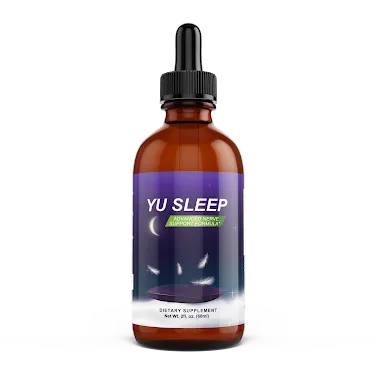
Reclaim Your Nights with Yu Sleep: Natural Support for Menopausal Sleep
If you're struggling with menopausal sleep disturbances, including hot flashes and night sweats, Yu Sleep offers a carefully crafted blend of natural ingredients designed to help you achieve the restful sleep you deserve. Don't let interrupted nights dictate your days any longer.
- ✓ Supports natural sleep cycles
- ✓ Promotes deep relaxation and calm
- ✓ Helps reduce stress and anxiety
- ✓ Formulated with clinically studied ingredients
- ✓ Non-habit forming and gentle




Hear From Women Who Found Relief with Yu Sleep
"I was at my wit's end with menopausal insomnia and night sweats. Yu Sleep has been a game-changer! I'm finally getting consistent, deep sleep without waking up drenched. It's truly a blessing."
"My mood was suffering because of my broken sleep. Since starting Yu Sleep, I feel calmer, and the hot flashes don't seem to disrupt me as much at night. I wake up feeling refreshed, not exhausted."
"I was hesitant to try another sleep aid, but Yu Sleep's natural ingredients convinced me. It helps me fall asleep gently and stay asleep. The difference in my energy levels during the day is remarkable."
Beyond Supplements: Creating a Comprehensive Sleep Plan
While products like Yu Sleep can provide valuable support, the most effective approach to managing menopausal sleep disturbances involves a comprehensive plan. This includes integrating healthy habits and seeking professional guidance when needed.
Think of your sleep health as a puzzle where each piece, from your diet to your stress levels, contributes to the overall picture. For instance, ensuring you have a balanced diet rich in phytoestrogens (found in soy, flaxseed, and legumes) might help with some menopausal symptoms, though more research is needed. Staying hydrated throughout the day is also crucial, but limit fluids close to bedtime to avoid nighttime bathroom trips.
Consider incorporating mindful practices into your daily routine. Even 10-15 minutes of meditation, deep breathing, or gentle stretching can significantly reduce the cumulative stress that impacts sleep. Creating a relaxing bedtime ritual – a warm bath, reading a book, or listening to calming music – signals to your body that it's time to wind down. Consistency is key.
Remember, menopause is a transition, and finding what works best for your sleep may involve some trial and error. Be patient with yourself, listen to your body, and don't hesitate to seek medical advice. A sleep specialist can offer personalized strategies, and a therapist specializing in CBT-I can equip you with powerful tools to overcome chronic insomnia. For additional information on optimizing sleep beyond menopause, you might find our article on sleep supplements for shift workers helpful, as many of the principles apply to anyone with a disrupted sleep schedule.
Frequently Asked Questions
Why do hot flashes occur during menopause?
+Hot flashes are primarily caused by fluctuating hormone levels, particularly estrogen, which affect the brain’s thermoregulatory center. This leads to a sudden feeling of intense heat, sweating, and often a rapid heartbeat.
How do hot flashes disrupt sleep?
+Hot flashes, especially when they occur at night (known as night sweats), can wake you from sleep, making it difficult to fall back asleep. The discomfort, sweating, and subsequent chills can fragment sleep, leading to insomnia and poor sleep quality.
What lifestyle changes can help manage sleep during menopause?
+Improving sleep hygiene (consistent schedule, dark/cool/quiet room), avoiding triggers like caffeine/alcohol before bed, regular exercise, stress reduction techniques, and maintaining a healthy diet can significantly help manage menopausal sleep disturbances.
Are there natural supplements that can support sleep during menopause?
+Yes, several natural ingredients like L-Theanine, Magnesium, Valerian Root, and Chamomile are known for their calming and sleep-promoting properties. These can help address underlying anxiety and improve sleep architecture without harsh side effects. Always consult a doctor before starting any new supplement.
When should I see a doctor for menopausal sleep issues?
+If sleep disturbances are significantly impacting your daily life, causing severe fatigue, mood swings, or if hot flashes are frequent and intense, it’s important to consult your doctor. They can assess your symptoms, rule out other conditions, and discuss treatment options like HRT or other medications.
How can Yu Sleep specifically help with menopausal sleep problems?
+Yu Sleep is formulated with a blend of natural ingredients known to support relaxation and healthy sleep cycles. Ingredients like L-Theanine and Magnesium help calm the nervous system, while others like GABA and Ashwagandha may help reduce stress and promote deeper, more restorative sleep, indirectly aiding those experiencing menopausal sleep disturbances.
Related Articles