Are Your Screens Stealing Your Sleep? The Hidden Truth About Blue Light Disruption.
In our hyper-connected world, screens are ubiquitous. From smartphones and tablets to laptops and televisions, digital devices have become an integral part of our daily lives, often extending well into the evening hours. While these devices offer immense convenience and entertainment, their pervasive presence, particularly before bedtime, poses a significant threat to our sleep health.
The primary culprit? The specific wavelength of light emitted by these screens, known as blue light. This seemingly innocuous light has a profound impact on our internal body clock, or circadian rhythm, leading to widespread issues of insomnia and poor sleep quality across populations. Understanding this disruption is the first step towards reclaiming your precious nightly rest.

The Science Behind Blue Light and Your Circadian Rhythm
To truly grasp how screen time impacts sleep, we must delve into the intricate relationship between light, our eyes, and our body's internal clock.
Our bodies operate on a roughly 24-hour cycle known as the circadian rhythm, which dictates our sleep-wake patterns, hormone release, and other physiological processes. This rhythm is profoundly influenced by light exposure, particularly through specialized photoreceptors in our eyes called intrinsically photosensitive retinal ganglion cells (ipRGCs). These cells are most sensitive to blue wavelengths of light.
During the day, exposure to natural daylight, which is rich in blue light, signals to our brain that it's daytime. This helps us stay alert and suppresses the production of melatonin, the hormone crucial for initiating and regulating sleep. As evening approaches and natural light diminishes, melatonin levels naturally begin to rise, preparing our bodies for rest.
However, when we expose ourselves to artificial blue light from screens in the hours leading up to bedtime, we effectively trick our brains into thinking it's still daytime. This exposure actively suppresses melatonin production, delaying the onset of sleep and shifting our entire circadian rhythm. The consequence is often difficulty falling asleep (sleep latency), fragmented sleep, and reduced overall sleep quality, contributing directly to conditions like insomnia and poor sleep quality.
💡 Key Takeaway
Blue light from screens, especially in the evening, signals "daytime" to your brain, actively suppressing melatonin production and disrupting your natural circadian rhythm, making it harder to fall asleep and stay asleep.
The Widespread Impact of Digital Insomnia
The disruption caused by blue light extends far beyond just feeling a bit tired the next day. Chronic sleep deprivation and poor sleep quality have a cascading effect on nearly every aspect of our health and well-being.
Individuals who consistently engage with screens late into the night often report symptoms such as increased daytime fatigue, difficulty concentrating, and impaired memory. This cognitive decline can affect academic performance, workplace productivity, and even increase the risk of accidents. Beyond the immediate effects, prolonged sleep disruption has been linked to a host of serious health problems:
- Metabolic Disorders: Chronic sleep loss can interfere with glucose metabolism and increase insulin resistance, raising the risk of type 2 diabetes and obesity.
- Cardiovascular Health: Inadequate sleep is associated with higher blood pressure, increased inflammation, and an elevated risk of heart disease and stroke.
- Immune System Suppression: Sleep is vital for a robust immune system. Lack of sleep can make you more susceptible to infections and reduce vaccine effectiveness.
- Mental Health: There's a strong bidirectional relationship between sleep and mental health. Poor sleep exacerbates symptoms of anxiety, depression, and stress, while these conditions can, in turn, disrupt sleep.
- Hormonal Imbalances: Sleep plays a critical role in regulating numerous hormones, including growth hormone, testosterone, and ghrelin/leptin (hunger hormones), all of which can be thrown off by insufficient rest.
It's clear that the glowing screens in our hands or on our desks are not just innocent sources of entertainment; they are powerful disruptors of our fundamental biological processes, demanding our attention and proactive measures to mitigate their negative effects.
Strategies to Minimize Blue Light Exposure and Improve Sleep
While completely eliminating screens from our lives might be unrealistic, there are numerous effective strategies you can employ to minimize blue light exposure and protect your precious sleep.
Implement a Digital Curfew
The most impactful change you can make is to establish a strict "digital curfew." Aim to power down all electronic devices at least 1-2 hours before your intended bedtime. This allows your body sufficient time to naturally increase melatonin production without artificial suppression, signaling to your brain that it's time to wind down. Replace screen time with calming activities like reading a physical book, listening to soft music, or practicing mindfulness.
Utilize Blue Light Filters and Night Modes
Many modern devices offer built-in "night mode" or "blue light filter" settings that shift screen colors to warmer tones, reducing blue light emission. While not a complete solution, using these features throughout the evening can provide some benefit. For older devices or more robust filtering, consider installing third-party apps designed to filter blue light, especially if your work requires late-night screen use.
Invest in Blue Light Blocking Glasses
For those who cannot avoid screens entirely in the evening, blue light blocking glasses can be a valuable tool. Look for glasses with amber or red-tinted lenses, as these are most effective at blocking the specific wavelengths of blue light that interfere with melatonin. Wearing them a few hours before bed can help protect your eyes and circadian rhythm from disruptive light.
Optimize Your Sleep Environment
Beyond screen time, cultivate an optimal sleep environment. Ensure your bedroom is dark, cool (ideally between 60-67°F or 15-19°C), and quiet. Blackout curtains can block external light, and consider swapping bright LED bulbs for warmer, lower-wattage lighting in the evenings. Keep your bedroom a sanctuary solely for sleep and intimacy, free from work, TV, and other digital distractions.
Establish a Consistent Sleep Schedule
Regularity is key to a healthy circadian rhythm. Try to go to bed and wake up at roughly the same time each day, even on weekends. This consistency reinforces your body's natural sleep-wake cycle, making it easier to fall asleep and wake up feeling refreshed. A consistent schedule also helps your body anticipate when to start producing melatonin.
Beyond Blue Light: Holistic Approaches to Sleep Health
While managing blue light is crucial, achieving optimal sleep quality requires a holistic approach that addresses various lifestyle factors.
Regular Physical Activity
Engaging in regular exercise can significantly improve sleep quality. Physical activity helps reduce stress, promotes deeper sleep, and can even alleviate symptoms of insomnia. However, timing is important: avoid intense workouts too close to bedtime, as the stimulating effects can make it harder to fall asleep. Morning or afternoon exercise is generally best.
Mindful Diet and Hydration
What you eat and drink profoundly impacts your sleep. Avoid heavy, fatty, or spicy meals close to bedtime, as they can cause indigestion. Limit caffeine intake, especially in the afternoon and evening, and be mindful of alcohol, which can disrupt sleep architecture despite initially making you feel drowsy. Staying adequately hydrated throughout the day is also important, but try to reduce fluid intake right before bed to minimize nighttime bathroom trips.
Stress Management Techniques
Stress and anxiety are major contributors to sleep problems. Incorporating stress-reducing practices into your daily routine can make a significant difference. Consider meditation, deep breathing exercises, yoga, journaling, or spending time in nature. Creating a calming pre-sleep routine can also help signal to your body and mind that it's time to relax and prepare for sleep.
Consider Natural Sleep Support
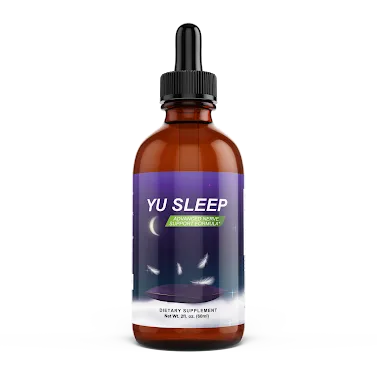
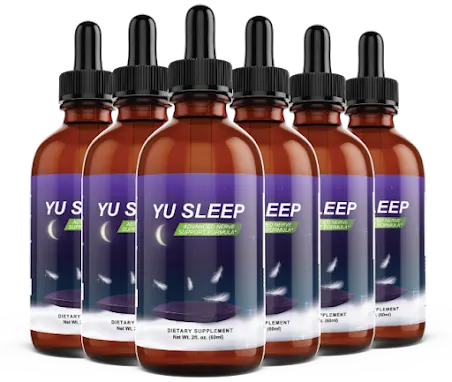
For some, incorporating a natural sleep aid can provide additional support, especially when transitioning to better sleep habits. Supplements formulated with ingredients known to promote relaxation and support natural sleep cycles can be a beneficial part of a comprehensive sleep strategy. Always research and choose reputable products, and consider options that work with your body's natural processes, such as Yu Sleep. You can learn more about its efficacy in this comprehensive Yu Sleep review 2026.
Introducing Yu Sleep: A Natural Approach to Restful Nights
While lifestyle adjustments are paramount, sometimes our bodies need a little extra support to re-establish healthy sleep patterns, especially after prolonged disruption. This is where a carefully formulated natural sleep aid like Yu Sleep can play a supportive role.
Yu Sleep is designed to work synergistically with your body's natural processes, helping to calm the nervous system, reduce the time it takes to fall asleep, and improve the overall quality of your rest. It’s formulated with a blend of well-researched ingredients, each selected for its unique contribution to promoting relaxation and sleep.
Magnesium
Role: A crucial mineral involved in over 300 biochemical reactions in the body, including those that regulate sleep. It helps activate the parasympathetic nervous system, responsible for calming and relaxing the body. Magnesium also binds to GABA receptors, promoting a tranquil state.
Typical dose: 200-400mgL-Theanine
Role: An amino acid primarily found in green tea, L-Theanine promotes relaxation without causing drowsiness. It increases alpha brain waves, associated with a state of "wakeful relaxation," and may reduce levels of stress-related chemicals in the brain.
Typical dose: 100-200mgValerian Root
Role: A traditional herbal remedy for sleep problems, Valerian root is thought to increase levels of GABA (gamma-aminobutyric acid), a neurotransmitter that helps calm nerve activity and promotes a sense of tranquility. It's often used to reduce sleep latency.
Typical dose: 300-600mgChamomile Extract
Role: Widely recognized for its mild sedative properties, Chamomile contains an antioxidant called apigenin, which binds to specific receptors in the brain that decrease anxiety and initiate sleep. It's a gentle and effective aid for relaxation.
Typical dose: 200-500mgLemon Balm Extract
Role: A member of the mint family, Lemon Balm is known for its calming effects. It may help reduce stress and anxiety, improving mood and promoting sleep. It often works well in combination with other calming herbs.
Typical dose: 300-600mgPassionflower
Role: Another traditional herb, Passionflower has been used to treat anxiety and insomnia. It is believed to boost GABA levels in the brain, which helps to slow down brain activity, leading to feelings of relaxation and improved sleep.
Typical dose: 100-300mgBy incorporating a thoughtful blend of these natural ingredients, Yu Sleep aims to provide comprehensive support for those struggling with sleep due to modern lifestyle factors, including excessive screen time and blue light exposure. It’s an ideal complement to the sleep hygiene strategies discussed earlier, helping you achieve the deep, restorative sleep your body craves. For more information on where to buy Yu Sleep, visit our dedicated page: Where to Buy Yu Sleep.
Ready for a True Night's Rest? Try Yu Sleep Today!
If you're tired of tossing and turning, and the thought of another restless night fills you with dread, it's time to take action. Yu Sleep offers a natural, effective solution to help you overcome sleep challenges exacerbated by modern screen time habits.
- ✓ Supports natural melatonin production
- ✓ Promotes deep, restorative sleep cycles
- ✓ Reduces sleep latency and nighttime awakenings
- ✓ Formulated with clinically studied natural ingredients
- ✓ Non-habit forming and gentle on your system




What Our Customers Are Saying
"I used to struggle so much after looking at my phone late at night. Yu Sleep has been a game-changer. I fall asleep faster and wake up feeling truly rested, not groggy. It's made a huge difference to my evenings."
"Working from home means constant screen time. I was getting terrible sleep. Yu Sleep, combined with putting my laptop away an hour before bed, has transformed my nights. I'm finally getting deep, quality sleep."
"I was skeptical, but the natural ingredients in Yu Sleep really do help. My mind used to race after watching TV, but now I feel a gentle calm. It's become an essential part of my evening routine to combat screen-induced sleeplessness."
Frequently Asked Questions
How does blue light affect my sleep?
+Blue light, emitted by electronic screens, suppresses the production of melatonin, the hormone responsible for signaling to your body that it's time to sleep. This disruption shifts your circadian rhythm, making it harder to fall asleep and reducing the quality of your rest.
What are the recommended screen time limits before bed?
+Most sleep experts recommend avoiding all screens for at least 1-2 hours before your intended bedtime. This allows your body's natural melatonin production to begin without interference from blue light, promoting a smoother transition into sleep.
Can blue light glasses really help with sleep?
+Yes, blue light blocking glasses can be effective, particularly those with amber or red tints that block a broader spectrum of blue light. Wearing them in the evening can help mitigate the suppressive effect of screens on melatonin, though avoiding screens entirely is still the gold standard for optimal sleep hygiene.
Are there other ways to reduce blue light exposure at night?
+Absolutely. Beyond avoiding screens, you can use night mode settings on devices, install blue light filter apps, dim room lighting, and switch to warmer, lower-intensity light bulbs in your bedroom. Creating a dark, cool, and quiet sleep environment is crucial.
What are the long-term health risks of chronic sleep disruption from screens?
+Chronic sleep disruption can lead to a range of health issues, including increased risk of obesity, diabetes, cardiovascular disease, impaired cognitive function, weakened immune system, and mental health problems like anxiety and depression. Prioritizing sleep is vital for overall well-being.
How can Yu Sleep support better sleep quality?
+Yu Sleep is formulated with a blend of natural ingredients known to support relaxation, reduce sleep latency, and improve sleep quality. Ingredients like Magnesium, L-Theanine, and various botanical extracts work synergistically to calm the nervous system and encourage restful sleep, complementing good sleep hygiene practices.
Related Articles