Are you constantly asking yourself, 'Why can't I sleep?'
If you find yourself staring at the ceiling night after night, longing for the embrace of deep sleep, you're not alone. Insomnia, the persistent difficulty falling or staying asleep, affects millions worldwide, transforming what should be a natural restorative process into a nightly battle.
Understanding the underlying causes of your sleeplessness is the first crucial step towards reclaiming your nights and improving your overall well-being. From lifestyle choices to underlying medical conditions, many factors can contribute to poor sleep quality. Let's explore these common culprits and equip you with the knowledge to identify and address your unique sleep challenges, paving the way for a more restful and energized life.

The Complex Web of Insomnia: Identifying Your Unique Triggers
Insomnia isn't a single condition; it's a symptom with a myriad of potential causes. Pinpointing why you can't sleep requires a careful look at various aspects of your life, from daily habits to underlying health concerns. Let's delve into the most common categories of insomnia triggers.
Understanding these categories can help you begin to unravel your own sleep puzzle. It's often a combination of factors, rather than a single cause, that leads to persistent sleeplessness. Taking an honest inventory of your lifestyle, mental state, and physical health is key to finding effective solutions.
Lifestyle and Behavioral Factors That Disrupt Sleep
Our daily routines and choices profoundly impact our ability to sleep. Many common habits, seemingly harmless, can be significant contributors to insomnia.
One of the most common culprits is poor sleep hygiene. This refers to a collection of habits and environmental practices that are not conducive to sleeping well. An irregular sleep schedule, for instance, can throw your body's natural circadian rhythm out of sync. Going to bed and waking up at different times each day, especially on weekends, confuses your internal clock, making it harder to fall asleep when you actually try.
The consumption of certain substances can also be highly disruptive. Caffeine, a stimulant found in coffee, tea, chocolate, and many soft drinks, can stay in your system for hours, blocking sleep-promoting chemicals in the brain. Similarly, nicotine is a stimulant that can make it difficult to fall asleep and often leads to lighter, less restorative sleep. While alcohol might initially seem to induce sleepiness, it actually fragments sleep later in the night, leading to frequent awakenings and reduced REM sleep, which is vital for cognitive function and emotional regulation.
Modern life introduces another major sleep disruptor: electronic screen time. The blue light emitted from smartphones, tablets, computers, and TVs suppresses melatonin production, the hormone that signals to your body it's time to sleep. Using these devices too close to bedtime can trick your brain into thinking it's still daytime, delaying sleep onset and reducing sleep quality.
Furthermore, an uncomfortable sleep environment can be a silent saboteur. A bedroom that is too bright, too noisy, too hot, or too cold can prevent you from falling asleep or cause you to wake up frequently. Even an uncomfortable mattress or pillow can contribute to restless nights and physical discomfort.
Lastly, lack of regular physical activity can impact sleep, but so can exercising too close to bedtime. Moderate, regular exercise during the day can significantly improve sleep quality, but intense workouts within a few hours of sleep can be stimulating, raising body temperature and heart rate, making it harder to wind down.
💡 Key Takeaway
Many daily habits, from inconsistent sleep schedules and stimulant use to excessive screen time and an unoptimized bedroom environment, can profoundly disrupt your natural sleep cycle. Addressing these lifestyle factors is often the most direct path to improving sleep quality.
Psychological and Emotional Contributors to Sleeplessness
Our minds play a powerful role in our ability to sleep. Psychological and emotional states are frequently at the heart of chronic insomnia.
Perhaps the most prevalent psychological cause is stress. Whether it's work pressure, financial worries, relationship issues, or global events, stress triggers the body's 'fight or flight' response. This releases hormones like cortisol, which keep you alert and awake. A mind racing with worries makes it incredibly difficult to quiet down and transition into sleep. Chronic stress can lead to a vicious cycle where lack of sleep exacerbates stress, further hindering sleep.
Closely related to stress are anxiety disorders. Generalized anxiety disorder, panic disorder, and specific phobias can all manifest as significant sleep disturbances. The constant worry, intrusive thoughts, and physical symptoms of anxiety (like a racing heart or shortness of breath) are antithetical to the relaxation needed for sleep. Many people with anxiety report difficulty falling asleep due to an inability to "turn off" their brains.
Depression is another major psychological condition linked to insomnia. While some individuals with depression may experience hypersomnia (excessive sleepiness), many others struggle with insomnia, either difficulty falling asleep or early morning awakenings. The low mood, lack of energy, and negative thought patterns associated with depression can severely disrupt sleep architecture.
Trauma and PTSD (Post-Traumatic Stress Disorder) can also lead to severe sleep disturbances, including nightmares, night terrors, and hypervigilance that makes it impossible to feel safe enough to sleep deeply. The brain remains on high alert, even during attempted sleep, constantly scanning for threats.
Beyond clinical conditions, even everyday emotional turmoil like grief, excitement, or anticipation can temporarily disrupt sleep. However, when these emotional states become chronic, they can solidify into persistent insomnia. Addressing these underlying psychological factors, often through therapy or stress management techniques, is crucial for long-term sleep improvement. For those seeking ways to manage daily stress and promote relaxation naturally, exploring resources like how to fall asleep faster naturally can provide valuable insights.
💡 Key Takeaway
Stress, anxiety, depression, and trauma are powerful psychological forces that can hijack your sleep. These conditions activate the body's arousal system, making relaxation and sleep feel impossible. Effective management of mental health is a cornerstone of overcoming sleep difficulties.
Medical Conditions and Medications Affecting Sleep
Sometimes, the root cause of insomnia isn't behavioral or psychological, but physiological. A range of medical conditions and even common medications can significantly interfere with sleep.
One of the most well-known medical culprits is sleep apnea, a condition where breathing repeatedly stops and starts during sleep. This leads to frequent awakenings (often unnoticed by the sleeper), loud snoring, and excessive daytime fatigue. Other sleep disorders like Restless Legs Syndrome (RLS), characterized by an irresistible urge to move the legs, especially at night, can make it nearly impossible to fall or stay asleep due to discomfort. Narcolepsy, though less common, is a neurological condition causing overwhelming daytime sleepiness and sudden attacks of sleep.
Chronic pain, regardless of its source (e.g., arthritis, fibromyalgia, back pain), is a significant disruptor. The discomfort itself makes it hard to get comfortable, and pain signals can keep the brain activated, preventing deep sleep. Similarly, conditions that cause frequent nighttime urination, such as enlarged prostate or diabetes, can lead to multiple awakenings.
Gastroesophageal Reflux Disease (GERD), or heartburn, can worsen when lying down, causing discomfort and waking you up. Thyroid disorders, both an overactive (hyperthyroidism) and underactive (hypothyroidism) thyroid, can impact sleep. Hyperthyroidism can cause nervousness and increased heart rate, making sleep difficult, while hypothyroidism can lead to fatigue but also fragmented sleep.
Certain neurological disorders like Parkinson's disease or Alzheimer's disease often come with associated sleep problems. Hormonal fluctuations, such as those experienced during menopause (hot flashes, night sweats) or due to other endocrine imbalances, can also severely disrupt sleep patterns.
Beyond conditions, many common medications list insomnia as a side effect. These include certain antidepressants, high blood pressure medications, allergy medications (antihistamines can cause drowsiness but sometimes have a paradoxical stimulating effect), corticosteroids, decongestants, and even some over-the-counter pain relievers containing caffeine. It's essential to review your medication list with your doctor if you suspect they are contributing to your sleeplessness.
💡 Key Takeaway
Underlying medical conditions like sleep apnea, chronic pain, RLS, and GERD, along with various prescription and over-the-counter medications, can directly interfere with sleep. Consulting a healthcare professional to identify and manage these physiological causes is a critical step towards resolving insomnia.
Environmental Factors and Age-Related Sleep Changes
Our external environment and the natural process of aging also play significant roles in our sleep quality, often overlooked in the quest for a good night's rest.
The bedroom environment is paramount. Light, even dim light from a streetlamp or digital clock, can disrupt melatonin production. Noise, whether from traffic, neighbors, or a snoring partner, can prevent you from falling asleep or pull you out of deeper sleep stages. The ideal bedroom temperature for sleep is generally between 60-67 degrees Fahrenheit (15-19 degrees Celsius); a room that is too hot or too cold can make it difficult to get comfortable and stay asleep. Furthermore, a mattress or pillow that no longer provides adequate support can lead to physical discomfort and restless nights.
As we age, our sleep patterns naturally change. This is known as age-related sleep changes. Older adults often find they need less sleep, but more importantly, their sleep becomes lighter and more fragmented. They spend less time in deep, restorative sleep stages and wake up more frequently during the night. The circadian rhythm can also shift, leading to earlier bedtimes and wake-up times (advanced sleep phase syndrome). These changes, while natural, can be frustrating and lead older individuals to perceive they have insomnia, even if it's a normal part of aging.
Other environmental factors include travel and jet lag, which severely disrupt the body's circadian rhythm when crossing multiple time zones. Shift work, where individuals work outside of typical daytime hours, also forces the body's internal clock out of sync with natural light-dark cycles, leading to chronic sleep deprivation and insomnia.
Understanding these external and age-related factors allows for targeted interventions, from optimizing your sleep environment to adjusting routines for shift work or travel. Sometimes, a natural sleep supplement can provide the gentle support needed to navigate these challenges. If you're looking for solutions that don't rely on synthetic hormones, you might be interested in exploring natural sleep supplement without melatonin options.
💡 Key Takeaway
External factors like light, noise, temperature, and even the comfort of your bed can significantly impact sleep. Additionally, natural age-related shifts in sleep architecture and circadian rhythms often lead to lighter, more fragmented sleep in older adults, requiring tailored approaches to maintain sleep quality.
Strategies for Reclaiming Your Sleep
Now that we've explored the various causes of insomnia, let's turn our attention to actionable strategies you can employ to improve your sleep quality. A multi-faceted approach often yields the best results.
Establish a Consistent Sleep Schedule
Go to bed and wake up at the same time every day, even on weekends. This regularity helps regulate your body's circadian rhythm, making it easier to fall asleep and wake up naturally. Consistency is key to training your body's internal clock.
Optimize Your Sleep Environment
Ensure your bedroom is dark, quiet, and cool. Use blackout curtains, earplugs, or a white noise machine if necessary. Keep the temperature between 60-67°F (15-19°C). Invest in a comfortable mattress and pillows that support good posture.
Limit Stimulants and Heavy Meals Before Bed
Avoid caffeine and nicotine in the late afternoon and evening. While alcohol may initially make you drowsy, it disrupts sleep quality later. Try to finish heavy meals at least 2-3 hours before bedtime to allow for proper digestion.
Create a Relaxing Bedtime Routine
Signal to your body that it's time to wind down with a consistent pre-sleep ritual. This could include a warm bath, reading a book (not on a screen), listening to calming music, or practicing gentle stretches or meditation. Avoid mentally stimulating activities.
Manage Stress and Anxiety
Implement stress-reducing techniques into your daily life. Mindfulness, meditation, yoga, deep breathing exercises, and journaling can help calm an overactive mind. If stress and anxiety are chronic, consider seeking professional therapy.
Incorporate Regular Physical Activity
Engage in moderate exercise most days of the week. Physical activity helps improve sleep quality and can reduce the time it takes to fall asleep. However, avoid intense workouts too close to bedtime, ideally finishing at least 3-4 hours before sleep.
Limit Daytime Naps (or keep them short)
While a short power nap can be refreshing, long or late-afternoon naps can interfere with nighttime sleep. If you must nap, keep it to 20-30 minutes and do it earlier in the day.
Consider Natural Sleep Support
For some, incorporating a natural sleep supplement can provide additional support, especially when lifestyle changes aren't quite enough. Ingredients like Valerian Root, Chamomile, and L-Theanine are often used to promote relaxation and improve sleep quality without harsh side effects. Always consult with a healthcare professional before starting any new supplement.
The Role of Key Nutrients and Botanicals in Sleep Support
While lifestyle adjustments are paramount, certain natural ingredients can offer valuable support in promoting relaxation and improving sleep quality. Many people turn to these botanicals and nutrients to gently nudge their bodies towards a more restful state.
Valerian Root
A popular herb traditionally used for sleep and anxiety. It's believed to increase levels of GABA, a neurotransmitter that helps calm the brain and nervous system, leading to relaxation and reduced sleep latency.
Chamomile
Known for its mild sedative properties, chamomile contains apigenin, an antioxidant that binds to specific receptors in the brain that may decrease anxiety and initiate sleep. Often consumed as a tea, it's a gentle relaxant.
L-Theanine
An amino acid found primarily in green tea, L-Theanine promotes relaxation without causing drowsiness. It helps increase alpha brain waves, which are associated with a state of "wakeful relaxation," making it easier to fall asleep and improve sleep quality.
Magnesium
An essential mineral involved in hundreds of bodily processes, including nerve and muscle function. Magnesium plays a critical role in regulating neurotransmitters that are directly involved in sleep. It helps calm the nervous system and can reduce muscle tension.
GABA (Gamma-Aminobutyric Acid)
The primary inhibitory neurotransmitter in the brain, GABA works to reduce neuronal excitability throughout the nervous system. By calming brain activity, GABA helps the body and mind relax, promoting sleep and reducing anxiety.
Ashwagandha
An adaptogenic herb widely used in Ayurvedic medicine. Ashwagandha helps the body manage stress and anxiety, which are common causes of insomnia. By reducing cortisol levels, it can promote a state of calm conducive to sleep.
5-HTP (5-Hydroxytryptophan)
A precursor to serotonin, which in turn is converted into melatonin, the body's primary sleep hormone. Supplementing with 5-HTP can help boost melatonin production, potentially improving sleep onset and quality.
Lemon Balm
A mild sedative herb from the mint family, lemon balm is often used to reduce stress and anxiety, improve mood, and promote sleep. It can help calm the nervous system, making it easier to drift off to sleep.
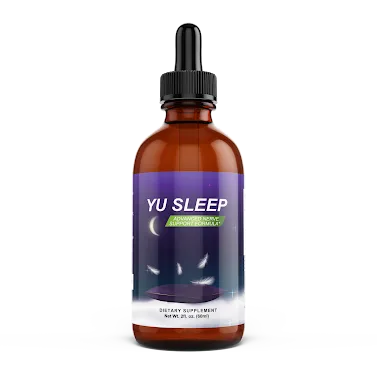
These ingredients, when carefully combined in appropriate dosages, can work synergistically to provide comprehensive sleep support. Yu Sleep, for instance, leverages a blend of such natural ingredients to help you achieve restorative sleep. For more detailed information, including real user experiences, you can explore Yu Sleep reviews and real results.
Reclaim Your Nights with Yu Sleep
If you're tired of restless nights and groggy mornings, Yu Sleep offers a natural, comprehensive solution designed to address the root causes of poor sleep. Our expertly formulated blend of potent botanicals and essential nutrients works synergistically to promote relaxation, ease anxiety, and support your body's natural sleep cycle, helping you fall asleep faster and stay asleep longer.
- ✓ Supports natural sleep cycles
- ✓ Promotes deep, restorative sleep
- ✓ Reduces stress and anxiety
- ✓ Non-habit forming formula
- ✓ Made with 100% natural ingredients




What Our Customers Are Saying
"After years of struggling with insomnia, I finally found relief with Yu Sleep. I fall asleep faster and wake up feeling truly refreshed. It's changed my life!"
"I was skeptical, but Yu Sleep delivered. No more tossing and turning. I'm getting consistent, deep sleep, and my energy levels during the day are through the roof. Highly recommend!"
"As a night shift worker, my sleep schedule was a mess. Yu Sleep has been a game-changer. It helps me wind down and get quality sleep even when my body wants to stay awake. Thank you!"
Frequently Asked Questions
What is the primary difference between acute and chronic insomnia?
+Acute insomnia is a short-term sleep problem, often lasting a few days or weeks, usually triggered by stress or life changes. Chronic insomnia, however, persists for at least three nights a week for three months or longer, and its causes can be more complex, involving underlying medical conditions or behavioral patterns.
Can diet and exercise truly impact my sleep quality?
+Absolutely. What you eat and how active you are significantly affect sleep. Heavy meals close to bedtime, excessive caffeine or alcohol, and irregular eating patterns can disrupt sleep. Similarly, regular physical activity promotes better sleep, but intense exercise too close to bedtime can be stimulating and counterproductive.
How do psychological factors like stress and anxiety contribute to sleeplessness?
+Stress and anxiety activate the body's 'fight or flight' response, releasing hormones like cortisol that keep you awake and alert. A racing mind filled with worries makes it difficult to relax and fall asleep. This mental overactivity can create a vicious cycle where lack of sleep exacerbates anxiety, further hindering sleep.
Are there common medical conditions that frequently cause insomnia?
+Yes, many medical conditions can lead to insomnia. These include chronic pain, sleep apnea (interrupted breathing during sleep), restless legs syndrome, thyroid disorders, gastroesophageal reflux disease (GERD), and neurological conditions. Addressing these underlying health issues is crucial for improving sleep.
What role does sleep hygiene play in preventing and treating insomnia?
+Sleep hygiene refers to habits and environmental factors conducive to good sleep. Practicing good sleep hygiene—like maintaining a consistent sleep schedule, creating a dark, quiet, and cool bedroom, avoiding screens before bed, and limiting caffeine/alcohol—is fundamental in preventing insomnia and is often the first line of treatment.
When should I consider seeking professional help for my sleep problems?
+If you consistently struggle to sleep despite trying various self-help strategies, or if your sleep problems are significantly impacting your daily life, mood, or health, it's time to consult a doctor or a sleep specialist. They can help identify underlying causes and recommend appropriate treatments, which might include cognitive behavioral therapy for insomnia (CBT-I) or medication.
Related Articles