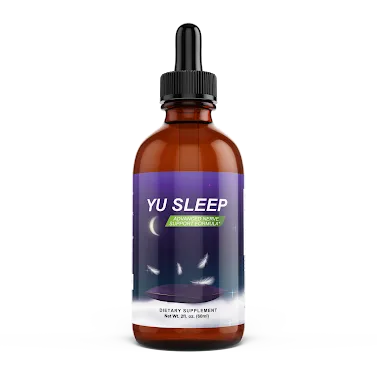
Struggling with Insomnia? Your Gut Might Hold the Key to Restful Nights.
For years, sleep science focused primarily on brain activity, hormones, and environmental factors. While these are undoubtedly crucial, a growing body of research is shining a spotlight on an often-overlooked player in the sleep game: your gut microbiome. This intricate ecosystem of trillions of microorganisms residing in your digestive tract isn't just about digestion; it's a silent orchestrator of your overall health, including the quality of your sleep.
Many individuals grappling with persistent insomnia or poor sleep quality might find relief not just in traditional sleep aids, but by addressing their internal environment. Understanding the gut-brain axis is paramount to unlocking truly restorative sleep and combating the pervasive issue of sleep deprivation that plagues millions.
The Gut Microbiome: Your Inner Universe of Health
Before we delve into the intricate dance between your gut and your sleep, let's understand what the gut microbiome truly is and why it's so critical for your overall well-being.
Your gut microbiome is a complex community of trillions of bacteria, fungi, viruses, and other microorganisms that reside primarily in your large intestine. Far from being passive inhabitants, these microbes play an active and vital role in numerous bodily functions. They help digest food, synthesize vitamins, train your immune system, and protect against pathogens. A diverse and balanced microbiome, often referred to as a "healthy gut," is a cornerstone of good health, influencing everything from mood to metabolism, and as we'll explore, your sleep patterns.
When this delicate balance is disrupted, a condition known as dysbiosis, it can lead to a cascade of negative health effects. Factors such as diet, stress, medications (especially antibiotics), and environmental toxins can all contribute to an imbalanced gut, favoring harmful bacteria over beneficial ones. Understanding this internal ecosystem is the first step toward reclaiming your health and, potentially, your sleep.
💡 Key Takeaway
Your gut microbiome is a vast community of microorganisms crucial for digestion, immunity, and overall health. An imbalance (dysbiosis) can have far-reaching effects on your body, including your sleep quality.
The Gut-Brain Axis: A Two-Way Street to Sleep
The concept of a "gut feeling" isn't just an idiom; it's a scientific reality. Your gut and brain are in constant communication via a complex network known as the gut-brain axis.
Neurotransmitter Production
Your gut is a major production site for neurotransmitters, the chemical messengers that regulate mood and sleep. For instance, approximately 90% of your body's serotonin, a precursor to melatonin (the sleep hormone), is produced in the gut. Beneficial gut bacteria play a crucial role in synthesizing these compounds. A healthy gut ensures a steady supply of these vital chemicals, promoting a balanced mood and healthy sleep-wake cycles.
Vagus Nerve Communication
The vagus nerve is the longest cranial nerve, acting as a direct communication highway between your brain and gut. It transmits signals in both directions, influencing everything from digestion to heart rate and mood. A healthy microbiome can stimulate the vagus nerve, sending calming signals to the brain that promote relaxation and prepare the body for sleep. Conversely, gut dysbiosis can send distress signals, leading to anxiety and sleep disruption.
Inflammation Regulation
Chronic inflammation, often stemming from an unhealthy gut, is a known enemy of good sleep. When the gut lining becomes compromised (often called "leaky gut"), inflammatory molecules can enter the bloodstream and travel to the brain. This neuroinflammation can disrupt sleep-regulating centers, making it difficult to fall asleep or stay asleep. A balanced microbiome helps maintain gut integrity and reduces systemic inflammation.
Stress Hormone Modulation
The gut microbiome can influence the hypothalamic-pituitary-adrenal (HPA) axis, which regulates your body's stress response. An imbalanced gut can lead to an overactive HPA axis, resulting in elevated cortisol levels – your body's primary stress hormone. High cortisol at night interferes with melatonin production and keeps you awake, creating a vicious cycle of stress and sleeplessness. A healthy gut helps temper this response, promoting calm.
How Gut Imbalance Directly Impacts Insomnia and Poor Sleep Quality
When your gut is out of whack, the consequences extend far beyond digestive discomfort. Here's how a disrupted microbiome can specifically sabotage your sleep:
1. Reduced Melatonin Production: As mentioned, serotonin is a precursor to melatonin. If your gut bacteria aren't producing enough serotonin, your body won't have the building blocks for sufficient melatonin, leading to difficulty initiating and maintaining sleep. This is a primary mechanism linking gut health to insomnia. For more tips on improving sleep, you might find our article on how to fall asleep faster naturally helpful.
2. Increased Inflammation: A leaky gut allows bacterial toxins (lipopolysaccharides or LPS) to enter the bloodstream, triggering systemic inflammation. This inflammation can reach the brain, disrupting sleep architecture and causing frequent awakenings. Chronic inflammation makes it nearly impossible to achieve the deep, restorative stages of sleep.
3. Altered Circadian Rhythms: Emerging research suggests that gut bacteria themselves have their own circadian rhythms, which can influence the host's sleep-wake cycle. An imbalanced microbiome can throw these rhythms off, leading to irregular sleep patterns and contributing to circadian rhythm disorders.
4. Nutrient Malabsorption: A compromised gut can lead to poor absorption of essential nutrients vital for sleep, such as magnesium, zinc, and B vitamins. These nutrients are crucial for neurotransmitter synthesis and muscle relaxation, and their deficiency can significantly impair sleep quality.
5. Heightened Stress and Anxiety: The gut-brain axis ensures that gut dysbiosis can directly impact mood. An unhealthy gut can increase feelings of anxiety and stress, making it harder to relax and fall asleep. This connection is why many individuals with irritable bowel syndrome (IBS) also report higher rates of insomnia.
In essence, a struggling gut can create a cascade of biochemical and physiological events that make achieving consistent, high-quality sleep an uphill battle. Addressing these underlying gut issues is not just about digestive health; it's about unlocking a fundamental pathway to better rest.
Nurturing Your Gut: Practical Steps for Better Sleep
The good news is that you have significant power to influence your gut microbiome and, by extension, your sleep. Here are actionable strategies you can start implementing today:
Embrace a Fiber-Rich Diet
Diet is the single most influential factor for your gut microbiome. Increase your intake of diverse plant-based foods rich in fiber, which acts as a prebiotic, feeding beneficial gut bacteria. Think fruits, vegetables, whole grains, legumes, nuts, and seeds. A varied diet promotes a diverse microbiome.
Incorporate Fermented Foods
Fermented foods like yogurt, kefir, sauerkraut, kimchi, and kombucha are natural sources of probiotics – beneficial live bacteria that can replenish and diversify your gut flora. Start slowly and gradually increase your intake to avoid digestive upset.
Manage Stress Effectively
Stress profoundly impacts the gut-brain axis. Chronic stress can alter gut motility, increase gut permeability, and shift microbial composition. Incorporate stress-reduction techniques such as meditation, yoga, deep breathing exercises, spending time in nature, or engaging in hobbies you enjoy.
Prioritize Regular Exercise
Physical activity isn't just good for your muscles and heart; it also positively influences gut diversity. Moderate, consistent exercise can enhance the richness of your microbiome and improve gut transit time. Aim for at least 30 minutes of moderate activity most days of the week.
Stay Hydrated
Water is essential for healthy digestion and nutrient absorption, which indirectly supports a healthy gut environment. Adequate hydration also helps maintain the mucosal lining of the gut, providing a protective barrier. Aim for at least 8 glasses of water daily.
Limit Processed Foods & Sugar
Highly processed foods, artificial sweeteners, and excessive sugar can feed harmful gut bacteria and lead to dysbiosis. Reducing their intake can help rebalance your microbiome and reduce inflammation, paving the way for better sleep.
Targeted Support: How Specific Ingredients Can Help Your Gut and Sleep
While diet and lifestyle are foundational, certain natural ingredients can provide targeted support for both gut health and sleep quality. These ingredients work synergistically to address the root causes of sleep disruption linked to an imbalanced gut.
Many individuals find that a comprehensive approach, including specific supplements, can accelerate their journey to better rest. For instance, carefully selected botanicals and amino acids can help calm the nervous system, while probiotics and prebiotics actively nurture the gut microbiome. When considering a supplement, it's crucial to look for formulations that understand this intricate gut-brain-sleep connection. You can read real experiences in our Yu Sleep reviews section.
Understanding the Yu Sleep Formulation: A Holistic Approach
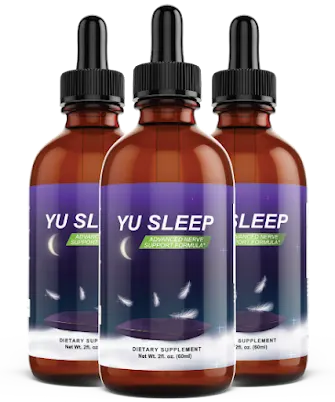
Yu Sleep is crafted to support the body's natural sleep mechanisms by addressing factors that contribute to sleep disturbances, including the gut-brain axis. Its formulation combines ingredients known for their calming properties and their potential to foster a healthier internal environment.
L-Theanine
Role: An amino acid found in green tea, L-Theanine promotes relaxation without causing drowsiness. It can increase alpha brain wave activity, similar to meditation, and may also support the production of calming neurotransmitters like GABA, which can indirectly benefit gut balance by reducing stress.
GABA (Gamma-Aminobutyric Acid)
Role: The primary inhibitory neurotransmitter in the brain, GABA helps to calm nervous activity. By reducing neuronal excitability, GABA can make it easier to fall asleep and improve sleep quality. A healthy gut microbiome also plays a role in GABA production, highlighting the interconnectedness.
Lemon Balm Extract
Role: A traditional herbal remedy, Lemon Balm is known for its calming and mood-enhancing properties. It can help reduce anxiety and promote relaxation, making it easier to drift off to sleep. Its mild antispasmodic effects can also soothe digestive discomfort, indirectly benefiting gut health.
Passionflower Extract
Role: Often used for anxiety and insomnia, Passionflower is believed to boost levels of GABA in the brain. This can lead to a reduction in brain activity, promoting a sense of calm and facilitating sleep onset. It also has mild muscle relaxant properties.
Magnolia Bark Extract
Role: This extract contains compounds like magnolol and honokiol, which have anxiolytic (anti-anxiety) and sedative effects. It can help reduce stress and improve sleep quality by interacting with GABA receptors in the brain, without the side effects of conventional sedatives.
Probiotic Blend (e.g., L. acidophilus, B. lactis)
Role: While not a direct sleep aid, a targeted probiotic blend supports a healthy gut microbiome. By improving gut balance, these beneficial bacteria can enhance the production of serotonin and other neurotransmitters, reduce gut inflammation, and strengthen the gut barrier, all of which contribute to a more conducive environment for restful sleep.
Beyond the Bottle: Cultivating a Sleep-Friendly Lifestyle
While understanding the gut-sleep connection and considering supportive supplements like Yu Sleep are vital, a holistic approach to conquering insomnia and improving sleep quality also requires attention to broader lifestyle factors. Supplements are designed to support, not replace, healthy habits.
Optimize Your Sleep Environment: Ensure your bedroom is dark, quiet, and cool. Block out light with blackout curtains, use earplugs or a white noise machine if needed, and set your thermostat between 60-67°F (15-19°C). A comfortable mattress and pillows also make a significant difference.
Establish a Consistent Sleep Schedule: Go to bed and wake up at the same time every day, even on weekends. This helps regulate your body's natural circadian rhythm, making it easier to fall asleep and wake up feeling refreshed. Consistency is key to training your body for optimal sleep.
Limit Screen Time Before Bed: The blue light emitted from electronic devices (phones, tablets, computers, TVs) can suppress melatonin production, making it harder to fall asleep. Aim to power down all screens at least an hour before bedtime and engage in relaxing activities instead, such as reading a physical book or listening to calming music.
Mind Your Caffeine and Alcohol Intake: Both caffeine and alcohol can disrupt sleep. Caffeine, a stimulant, has a long half-life and can stay in your system for hours, keeping you awake. Alcohol, while initially inducing drowsiness, fragments sleep later in the night. Try to avoid caffeine after midday and limit alcohol, especially close to bedtime.
By integrating these lifestyle practices with a focus on gut health, you create a powerful synergy that promotes deep, restorative sleep. It's a journey, not a sprint, but the rewards of improved energy, mood, and overall well-being are immeasurable. For more general sleep health information, feel free to visit our homepage.
Ready to Reclaim Your Nights and Revitalize Your Days?
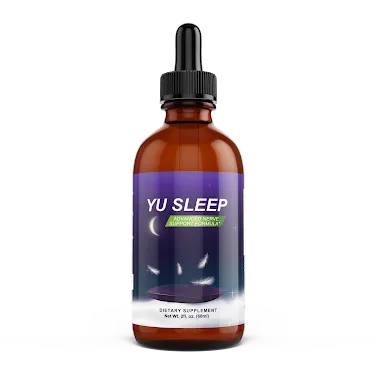
Yu Sleep offers a unique blend of natural ingredients designed to support your body's innate ability to relax and drift into peaceful sleep. By gently nurturing the pathways connected to your gut-brain axis, Yu Sleep helps you achieve the deep, restorative rest you deserve.
- ✓ Supports natural melatonin production
- ✓ Calms the nervous system for faster sleep onset
- ✓ Enhances gut-brain communication for overall balance
- ✓ Promotes deeper, more restorative sleep cycles
- ✓ Non-habit forming and 100% natural formula




What Our Customers Say About Yu Sleep
"I've struggled with restless nights for years, and nothing seemed to help. Since starting Yu Sleep, I've noticed a significant difference. I fall asleep faster and wake up feeling genuinely refreshed, not groggy. It feels like my body is finally in sync."
"The connection between gut health and sleep was new to me, but after trying Yu Sleep, I'm a believer. My digestion feels better, and my sleep has improved dramatically. It's a gentle, natural solution that actually works without any morning sluggishness."
"As someone who's always been sensitive to sleep aids, Yu Sleep has been a revelation. It helps me unwind naturally, and I feel more balanced overall. The focus on holistic well-being, including the gut, really resonates with me. Highly recommend!"
Frequently Asked Questions
How does the gut microbiome influence sleep?
+The gut microbiome produces neurotransmitters like serotonin and GABA, which are precursors to melatonin, the sleep hormone. An imbalanced gut can disrupt this production, leading to sleep disturbances. It also affects inflammation and stress responses, both detrimental to restful sleep.
Can improving gut health really help with insomnia?
+Yes, absolutely. By nurturing a diverse and healthy gut microbiome through diet, lifestyle, and targeted supplementation, you can optimize the production of sleep-regulating compounds, reduce systemic inflammation, and better manage stress, all of which contribute to improved sleep quality and can alleviate insomnia symptoms.
What are common signs that my gut health might be affecting my sleep?
+Beyond obvious digestive issues like bloating or irregular bowel movements, signs can include persistent fatigue despite adequate sleep duration, difficulty falling or staying asleep, increased anxiety or mood swings, and a general feeling of being unwell. These can all be indicators of a disrupted gut-brain axis affecting your sleep.
What dietary changes can I make to support my gut and sleep?
+Focus on a diet rich in fiber, fermented foods (like yogurt, kimchi, sauerkraut), and a wide variety of plant-based foods. Limit processed foods, excessive sugar, and artificial sweeteners. Prebiotic-rich foods such as garlic, onions, and asparagus also feed beneficial gut bacteria, promoting a healthier microbiome.
Are sleep supplements like Yu Sleep beneficial for gut-related sleep issues?
+Supplements like Yu Sleep, which contain ingredients known to support both neurotransmitter balance and gut health, can be a valuable part of a holistic approach. Ingredients such as L-Theanine and specific probiotics can help calm the nervous system and foster a healthier gut environment, indirectly improving sleep. Always consult a healthcare professional before starting any new supplement.
How quickly can I expect to see improvements in sleep by focusing on gut health?
+The timeline for seeing improvements varies greatly among individuals, depending on the severity of gut dysbiosis and consistency of interventions. Some people may notice subtle changes within a few weeks, while for others, it might take several months of consistent effort to significantly rebalance the microbiome and experience profound sleep benefits. Patience and consistency are key.
Related Articles