Are you tired of counting sheep and longing for truly restorative sleep?
In our fast-paced modern world, a good night's sleep often feels like a luxury rather than a necessity. Millions of people worldwide grapple with insomnia and poor sleep quality, leading to a cascade of negative effects on physical health, mental clarity, and overall well-being. The quest for restful sleep can be frustrating, often pushing individuals towards synthetic solutions that come with their own set of concerns.
However, ancient wisdom and modern science increasingly point towards a gentler, more holistic path: the remarkable potential of herbs for sleep and insomnia relief. From time-honored botanicals like Valerian root to powerful adaptogens like Ashwagandha, nature offers a diverse pharmacopeia designed to calm the nervous system, reduce stress, and guide your body back into its natural sleep rhythm.
The Silent Epidemic: Understanding Insomnia and Poor Sleep Quality
Before delving into natural remedies, it's crucial to understand the scope and impact of sleep deprivation.
Insomnia is more than just an occasional restless night; it's a persistent difficulty with sleep initiation, duration, consolidation, or quality that occurs despite adequate opportunity for sleep. This can manifest as trouble falling asleep, staying asleep, or waking up too early and being unable to return to sleep. The consequences extend far beyond feeling tired. Chronic poor sleep can impact virtually every aspect of your life, from your mood and cognitive function to your physical health.
The Centers for Disease Control and Prevention (CDC) has declared insufficient sleep a public health problem. Long-term sleep deprivation is associated with an increased risk of serious health issues, including heart disease, diabetes, obesity, and a weakened immune system. It also severely impairs cognitive functions like memory, concentration, and decision-making, leading to decreased productivity and an increased risk of accidents. Emotionally, it can exacerbate feelings of stress, anxiety, and depression, creating a vicious cycle that makes sleep even more elusive.
While various factors contribute to insomnia, including lifestyle choices, medical conditions, and psychological stressors, many individuals are now seeking alternatives to prescription sleep medications due to concerns about side effects, dependency, and efficacy. This growing interest has illuminated the path back to nature, exploring the therapeutic properties of various botanicals.
💡 Key Takeaway
Insomnia and poor sleep quality are widespread issues with profound negative impacts on physical, mental, and emotional health. Recognizing the multifaceted nature of sleep problems is the first step towards finding effective and sustainable solutions.
Why Turn to Nature? The Appeal of Herbal Sleep Remedies
For centuries, traditional medicine systems around the world have utilized herbs to promote relaxation and improve sleep.
Gentle Approach
Unlike some pharmaceutical sleep aids that can induce immediate, heavy sedation, many herbal remedies work more gently with the body's natural processes. They often help to calm the nervous system and reduce anxiety, creating an environment conducive to sleep without forcing it.
Reduced Risk of Dependency
A significant concern with many conventional sleep medications is the potential for dependency and withdrawal symptoms. Herbal alternatives typically carry a much lower risk of addiction, offering a more sustainable long-term solution for managing sleep issues.
Fewer Side Effects
While no substance is entirely without potential side effects, herbal sleep aids are generally associated with fewer and milder adverse reactions compared to prescription drugs. Common side effects of pharmaceuticals can include morning grogginess, dizziness, and impaired coordination, which are less common with well-chosen herbs.
Holistic Benefits
Many sleep-supporting herbs, especially adaptogens like Ashwagandha, offer additional health benefits beyond just sleep, such as stress reduction, mood enhancement, and overall well-being. They often address underlying issues that contribute to sleeplessness, such as anxiety or an overactive nervous system.
Accessibility and Natural Origin
Herbal remedies are often readily available and sourced from nature, appealing to those who prefer natural and minimally processed solutions for their health concerns. This aligns with a broader trend towards holistic health and wellness.
Leading Herbal Allies for Restful Sleep
Let's explore some of the most well-researched and widely used herbs that can help you achieve better sleep.
Valerian Root (Valeriana officinalis)
Valerian root is perhaps the most famous herbal sleep aid, revered since ancient Greek and Roman times. It's often referred to as "nature's tranquilizer" for its ability to promote relaxation and deep sleep. Research suggests that valerian works by increasing levels of gamma-aminobutyric acid (GABA) in the brain, a neurotransmitter that inhibits nerve activity, leading to a calming effect. This can reduce the time it takes to fall asleep and improve sleep quality. It's particularly noted for its potential to help with insomnia and anxiety. Users typically take valerian about 30 minutes to two hours before bedtime. While generally well-tolerated, some individuals may experience morning grogginess or vivid dreams.
Ashwagandha (Withania somnifera)
An incredibly powerful adaptogenic herb from Ayurvedic medicine, Ashwagandha doesn't directly induce sleep but rather helps the body manage stress, which is a primary culprit behind sleeplessness. It works by modulating the hypothalamic-pituitary-adrenal (HPA) axis, the body's central stress response system, thereby reducing cortisol levels. By calming the nervous system and promoting a state of mental tranquility, Ashwagandha creates an optimal environment for sleep. Its Sanskrit name translates to "smell of a horse," referring to its unique aroma and its traditional belief to impart the strength and vitality of a horse. Modern studies support its role in reducing anxiety and improving sleep quality, especially for those whose insomnia is linked to stress. It's often taken daily for several weeks for full benefits.
Chamomile (Matricaria chamomilla)
Widely enjoyed as a calming tea, chamomile is a mild sedative that has been used for centuries to soothe anxiety and promote sleep. Its therapeutic effects are largely attributed to a flavonoid called apigenin, which binds to benzodiazepine receptors in the brain, exerting a mild tranquilizing effect. Chamomile can help reduce stress and muscle tension, making it easier to drift off to sleep. It's an excellent choice for those seeking a gentle introduction to herbal sleep aids, often consumed as a tea or taken as an extract before bedtime. Beyond sleep, chamomile is also known for its anti-inflammatory and digestive benefits.
Lemon Balm (Melissa officinalis)
A member of the mint family, lemon balm is another gentle herb recognized for its calming properties. It's often combined with other herbs like valerian or chamomile to enhance its effects. Lemon balm is believed to increase GABA levels in the brain and interact with GABA receptors, similar to valerian, which helps to reduce anxiety and promote relaxation. It's particularly effective for mild sleep disturbances and for alleviating symptoms of stress and anxiety that can interfere with sleep. Its pleasant, lemony aroma also contributes to its soothing qualities, making it popular in aromatherapy as well as teas and supplements.
Passionflower (Passiflora incarnata)
Passionflower has a long history of use among Native Americans as a sedative. Modern research suggests it may work by increasing GABA levels in the brain, similar to valerian, which helps to slow down brain activity and induce relaxation. It's often used for generalized anxiety and insomnia, particularly when sleep disturbances are associated with nervousness or restlessness. Studies have shown that consuming passionflower tea can significantly improve sleep quality. It is a potent anxiolytic and mild sedative, making it a valuable addition to a natural sleep regimen.
Hops (Humulus lupulus)
Best known as a key ingredient in beer, hops also possess significant sedative properties. The bitter acids and volatile oils in hops are thought to contribute to its calming effects, acting on GABA receptors in the brain. Hops are rarely used alone for sleep but are a common component in synergistic herbal sleep formulas, often paired with valerian root to enhance efficacy. It helps reduce central nervous system activity, promoting drowsiness and aiding in the transition to sleep. Its mild hypnotic effects can be particularly beneficial for those struggling with restlessness and an overactive mind at night.
L-Theanine
While not strictly an herb, L-Theanine is an amino acid found predominantly in green tea, known for promoting relaxation without causing drowsiness. It works by increasing levels of GABA, serotonin, and dopamine in the brain, which are neurotransmitters that regulate mood, sleep, and emotion. L-Theanine also promotes alpha brain waves, associated with a relaxed but alert state, and can help reduce the time it takes to fall asleep while improving sleep quality. It's excellent for reducing stress and anxiety, making it easier to unwind before bed. Its ability to calm the mind without sedation makes it a unique and valuable component in sleep support formulas.
The Power of Synergy: How Herbs Work Together for Optimal Sleep
While individual herbs offer distinct benefits, their true potential often lies in their synergistic action when combined.
Many traditional herbal formulas recognize that different herbs can address various aspects of sleep disturbance. For instance, an herb like Valerian might directly promote drowsiness, while Ashwagandha reduces the underlying stress that prevents sleep. Chamomile and Lemon Balm can gently calm the nervous system, and L-Theanine can quiet a restless mind. When these botanicals are thoughtfully combined, they can create a more comprehensive and effective solution than any single herb could achieve on its own.
This synergistic approach means that a well-formulated herbal sleep supplement can target multiple pathways involved in sleep regulation, including neurotransmitter balance, stress hormone reduction, and nervous system relaxation. The goal is not just to induce sleep, but to support the body's natural ability to achieve deep, restorative rest, leading to improved overall health and vitality. When considering a sleep supplement, look for products that harness this powerful synergy, offering a blend of ingredients known to work together harmoniously.
For those looking for a comprehensive approach to improving their sleep quality, exploring supplements that combine these beneficial ingredients can be a great starting point. You can learn more about how different compounds work together to support restful nights by reading our article on sleep-quality-improvement-supplement.html.
💡 Key Takeaway
Combining multiple sleep-supporting herbs can create a synergistic effect, addressing various facets of sleep disruption more effectively than single-ingredient solutions, promoting deeper and more restorative rest.
Beyond Supplements: Holistic Sleep Hygiene Practices
While herbal supplements can be powerful allies, they are most effective when integrated into a broader strategy for healthy sleep.
Establish a Consistent Sleep Schedule
Go to bed and wake up at the same time every day, even on weekends. This helps regulate your body's natural sleep-wake cycle (circadian rhythm).
Optimize Your Sleep Environment
Ensure your bedroom is dark, quiet, and cool. Block out light with blackout curtains, use earplugs or a white noise machine if necessary, and keep the thermostat between 60-67°F (15-19°C).
Limit Screen Time Before Bed
Avoid electronic devices (phones, tablets, computers, TVs) at least an hour before sleep. The blue light emitted by screens can interfere with melatonin production, the hormone that signals sleep.
Watch Your Diet and Drink Habits
Avoid heavy meals, caffeine, and alcohol close to bedtime. While alcohol might initially make you feel drowsy, it disrupts sleep architecture later in the night. Caffeine can stay in your system for hours.
Incorporate Regular Physical Activity
Regular exercise can significantly improve sleep quality, but try to finish intense workouts at least a few hours before bedtime. Gentle activities like yoga or stretching can be calming before sleep.
Manage Stress Effectively
Practice relaxation techniques such as meditation, deep breathing exercises, or gentle stretching. A warm bath or reading a book can also help you unwind before sleep.
By combining these lifestyle adjustments with targeted herbal support, you can create a powerful strategy to reclaim your nights and experience the profound benefits of restorative sleep. To learn more about other effective remedies, see our article on sleep-support-remedies-that-work.html.
Introducing Yu Sleep: A Natural Approach to Restful Nights
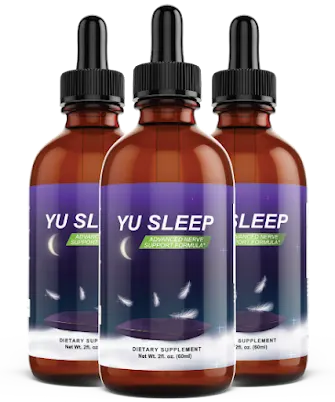
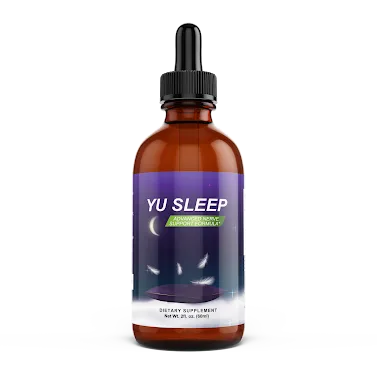
For those seeking a carefully crafted natural solution, Yu Sleep offers a synergistic blend of the very herbs and natural compounds discussed, designed to promote profound relaxation and truly restorative sleep.
Yu Sleep understands the intricate nature of sleep and has formulated a supplement that brings together the best of nature's sleep-promoting ingredients. Each ingredient is selected for its scientifically recognized ability to calm the nervous system, reduce stress, and support the body's natural sleep cycle without the harsh side effects associated with synthetic alternatives. The blend works to help you not just fall asleep faster, but also achieve deeper, more uninterrupted sleep, allowing you to wake up feeling refreshed and revitalized.
By focusing on a holistic approach, Yu Sleep aims to address the root causes of sleeplessness, rather than just masking symptoms. It’s an ideal choice for individuals who prefer natural ingredients and are committed to improving their sleep quality without compromising their overall health. For detailed information on its ingredients and how they contribute to better sleep, you can visit the official Yu Sleep website.
Ready to Embrace Deep, Restorative Sleep? Choose Yu Sleep.
Yu Sleep is meticulously formulated with a powerful blend of natural ingredients scientifically shown to support healthy sleep cycles, reduce stress, and promote profound relaxation. Say goodbye to restless nights and groggy mornings.
- ✓ All-Natural Formula for Gentle Sleep Support
- ✓ Reduces Stress & Anxiety for Easier Sleep
- ✓ Promotes Deeper, More Restorative Sleep
- ✓ No Harsh Side Effects or Dependency
- ✓ Made in the USA in a GMP Certified Facility




Hear From Those Who Found Their Sleep Again
"I've struggled with insomnia for years, and nothing seemed to help without making me feel groggy the next day. Yu Sleep has been a game-changer. I fall asleep faster and stay asleep, waking up genuinely refreshed. It's truly natural."
"My stress levels often kept me awake, but Yu Sleep, with its blend of calming herbs, has made such a difference. I feel more relaxed before bed, and my sleep quality has improved dramatically. Highly recommend for anyone dealing with stress-induced sleeplessness."
"I was skeptical about herbal supplements, but Yu Sleep changed my mind. The combination of Valerian and Ashwagandha seems to work perfectly for me. I'm experiencing deeper, more consistent sleep, and my daytime energy is back. No side effects either!"
Important Considerations When Choosing an Herbal Sleep Aid
While natural, it's crucial to approach herbal supplements with an informed perspective.
When selecting an herbal sleep aid, consider the following:
- Quality and Purity: Look for products from reputable manufacturers that adhere to Good Manufacturing Practices (GMP). This ensures the product contains what it claims and is free from contaminants.
- Ingredient Transparency: A good supplement will clearly list all ingredients and their dosages. Be wary of proprietary blends that don't disclose individual ingredient amounts.
- Potential Interactions: Even natural herbs can interact with prescription medications or other supplements. Always consult your doctor or pharmacist before starting any new sleep aid, especially if you have existing health conditions or are on other medications. This is especially important for products like Yu Sleep, and you can learn more about potential interactions by reviewing information on yu-sleep-side-effects.html.
- Individual Variability: What works for one person may not work for another. It may take some experimentation to find the right herb or blend that suits your body chemistry and sleep challenges.
- Holistic Approach: Remember that supplements are part of a larger picture. Combine them with good sleep hygiene, stress management, and a healthy lifestyle for the best results.
By being mindful of these factors, you can make an educated decision and safely incorporate herbal remedies into your journey towards better sleep.
Frequently Asked Questions
What causes insomnia and poor sleep quality?
+Insomnia and poor sleep quality can stem from a complex interplay of factors, including stress, anxiety, depression, poor sleep hygiene (irregular sleep schedule, excessive screen time before bed), certain medical conditions (like chronic pain, sleep apnea, restless leg syndrome), and medications. Lifestyle choices such as caffeine or alcohol consumption late in the day, lack of physical activity, and an uncomfortable sleep environment also play significant roles. Addressing these underlying causes is crucial for effective long-term sleep improvement.
How do herbs like Valerian and Ashwagandha help with sleep?
+Herbs like Valerian root and Ashwagandha offer unique mechanisms to support sleep. Valerian is believed to increase levels of gamma-aminobutyric acid (GABA) in the brain, a neurotransmitter that helps regulate nerve impulses and calm the nervous system, leading to feelings of relaxation and drowsiness. Ashwagandha, an adaptogenic herb, helps the body manage stress by modulating the stress response system (HPA axis), reducing cortisol levels, and promoting a state of calm conducive to sleep, rather than directly sedating. Many herbs work synergistically to address different facets of sleep disruption.
Are herbal sleep supplements safe?
+While generally considered safe for most people when used as directed, the safety of herbal sleep supplements can vary depending on the specific ingredients, dosages, and individual health conditions. Potential side effects are usually mild, such as drowsiness, digestive upset, or headaches. However, it's crucial to consult with a healthcare professional before starting any new supplement, especially if you are pregnant, nursing, have pre-existing medical conditions, or are taking other medications, to avoid potential interactions or adverse effects. Always choose reputable brands that prioritize quality and purity.
Can Yu Sleep be taken with other medications?
+Due to the potential for interactions between herbal ingredients and prescription medications, it is absolutely essential to consult your doctor or a qualified healthcare provider before taking Yu Sleep or any other herbal sleep supplement if you are currently on any medications. This includes sedatives, antidepressants, blood thinners, or any other drugs. Your doctor can assess your individual health profile and advise on potential risks or contraindications, ensuring your safety and optimizing your treatment plan.
How long does it take for herbal sleep aids to work?
+The time it takes for herbal sleep aids to work can vary widely among individuals and depends on the specific herb, its dosage, and the severity of sleep issues. Some herbs, like Valerian, may offer noticeable effects within 30 minutes to an hour, promoting immediate relaxation. Others, such as Ashwagandha, might require consistent use over several days or weeks to build up in the system and exert their full adaptogenic and sleep-regulating benefits. It's important to be patient and consistent with herbal remedies and to follow the recommended dosage instructions.
What makes Yu Sleep different from other sleep supplements?
+Yu Sleep distinguishes itself through its comprehensive, all-natural formula that combines a synergistic blend of clinically studied herbs and natural compounds known for their sleep-supporting properties, including Valerian, Ashwagandha, L-Theanine, Chamomile, and more. Unlike many single-ingredient supplements, Yu Sleep aims to address multiple facets of sleep disruption – promoting relaxation, reducing stress, and supporting a healthy sleep cycle. It's manufactured in a GMP-certified facility in the USA, ensuring high quality and purity, and comes with a 60-day money-back guarantee, reflecting confidence in its effectiveness and commitment to customer satisfaction.
Related Articles