Struggling to find sleep support remedies that actually work?
In a world that never truly sleeps, finding effective solutions for insomnia and other sleep disturbances has become a critical quest for millions. The constant barrage of information, stress, and artificial light has disrupted our natural rhythms, leaving us tossing and turning, desperate for a good night's rest.
Many turn to quick fixes, but sustainable sleep health requires a deeper understanding and a holistic approach. This article delves into proven strategies, from lifestyle adjustments to natural, science-backed solutions, to help you reclaim your nights and wake up refreshed.
Understanding Insomnia: More Than Just a Sleepless Night
Insomnia is a pervasive sleep disorder characterized by difficulty falling asleep, staying asleep, or achieving restorative sleep, despite having ample opportunity. It's not merely an occasional restless night; for many, it's a chronic condition that significantly impairs daily functioning and overall well-being. This persistent lack of quality sleep can manifest in various ways, from difficulty initiating sleep at the beginning of the night to frequent awakenings or waking up too early and being unable to return to sleep.
The impact of insomnia extends far beyond feeling tired. Chronic sleep deprivation can lead to a cascade of negative health consequences, affecting everything from cognitive function and mood to physical health and immune response. Individuals with insomnia often experience daytime fatigue, irritability, difficulty concentrating, memory problems, and a diminished quality of life. The condition can be acute (short-term) or chronic (lasting three or more nights a week for at least three months), and understanding its nature is the first step toward finding effective sleep support remedies that work. It's crucial to distinguish between occasional sleep difficulties and clinical insomnia, as the latter requires a more structured and often multi-faceted approach to treatment.
The prevalence of insomnia is staggering. Studies indicate that approximately 10-15% of adults suffer from chronic insomnia, while up to 30% experience acute or transient insomnia at some point in their lives. This widespread issue underscores the urgent need for accessible and effective solutions. While some may attribute their sleeplessness to stress or anxiety, insomnia can also be a symptom of underlying medical conditions, certain medications, or unhealthy lifestyle habits. Addressing these root causes is paramount for long-term relief and to truly discover effective sleep support remedies that work for individual needs.
💡 Key Takeaway
Insomnia is a widespread and debilitating sleep disorder, not just occasional sleeplessness. Its chronic nature impacts cognitive function, mood, and physical health, affecting millions globally. Effective remedies require understanding its root causes and adopting a holistic strategy.
Unraveling the Root Causes of Insomnia
To effectively address insomnia, it's essential to identify and understand its underlying causes. Insomnia is rarely a standalone issue; it often stems from a complex interplay of psychological, physiological, and environmental factors.
One of the most common culprits is stress and anxiety. The constant churn of worries about work, finances, relationships, or health can keep the mind racing, making it impossible to relax into sleep. This mental overactivity triggers the body's fight-or-flight response, releasing cortisol and other stress hormones that are antithetical to sleep. Similarly, underlying mental health conditions like depression and anxiety disorders are strongly linked to insomnia, often creating a vicious cycle where poor sleep exacerbates symptoms, and symptoms worsen sleep.
Lifestyle choices also play a significant role. Irregular sleep schedules, excessive caffeine or alcohol consumption, smoking, and lack of physical activity can all disrupt the body's natural sleep-wake cycle (circadian rhythm). Eating heavy meals too close to bedtime or consuming sugary snacks can also interfere with digestion and sleep quality. Furthermore, an unoptimized sleep environment – a bedroom that is too noisy, too bright, too hot, or too cold – can severely hinder the ability to fall and stay asleep.
Beyond lifestyle, medical conditions such as chronic pain, acid reflux, asthma, thyroid disorders, restless leg syndrome, and sleep apnea can directly cause or contribute to insomnia. Certain medications, including some antidepressants, blood pressure drugs, allergy medications, and corticosteroids, can also have insomnia as a side effect. Age-related changes in sleep patterns, such as lighter sleep and earlier awakenings, also become more prevalent, making older adults more susceptible to insomnia. Understanding these diverse factors is crucial for tailoring effective sleep support remedies that work for your specific situation.
Conventional and Behavioral Sleep Support Remedies
Before exploring natural options, it's important to acknowledge the established, evidence-based approaches to treating insomnia. These often form the foundation of effective sleep management.
Cognitive Behavioral Therapy for Insomnia (CBT-I)
CBT-I is widely considered the gold standard for treating chronic insomnia. It's a structured program that helps identify and replace thoughts and behaviors that cause or worsen sleep problems with habits that promote sound sleep. It involves techniques like stimulus control, sleep restriction, cognitive restructuring, and relaxation training. Unlike medications, CBT-I addresses the root psychological and behavioral causes, providing long-term solutions.
Optimizing Sleep Hygiene Practices
Good sleep hygiene involves a set of daily habits and environmental factors conducive to sleeping well. This includes maintaining a consistent sleep schedule (even on weekends), ensuring your bedroom is dark, quiet, and cool, and avoiding large meals, caffeine, and alcohol close to bedtime. While often overlooked, consistent adherence to these principles can dramatically improve sleep quality for many individuals.
Prescription Medications
For severe or acute insomnia, doctors may prescribe sleep medications (hypnotics). These can be effective in the short-term but often come with side effects like daytime drowsiness, dependency, and withdrawal symptoms. They are generally not recommended for long-term use and should only be used under strict medical supervision. The goal is typically to use them as a bridge to establish healthier sleep patterns, often in conjunction with CBT-I.
Relaxation Techniques and Mindfulness
Practices such as meditation, deep breathing exercises, progressive muscle relaxation, and yoga can significantly reduce the physiological and psychological arousal that prevents sleep. By calming the nervous system and focusing the mind, these techniques help prepare the body for rest. Incorporating them into a nightly routine can be a powerful tool among effective sleep support remedies that work.
Exploring Natural Sleep Support Remedies That Work
For many individuals seeking gentler alternatives or complementary approaches to conventional treatments, natural sleep support remedies offer a promising path. These remedies often focus on calming the nervous system, regulating sleep hormones, and promoting overall relaxation, addressing insomnia without the typical side effects associated with pharmaceutical options.
One of the most well-known natural sleep aids is Melatonin. This hormone, naturally produced by the pineal gland, signals to your body that it's time to sleep. Supplementing with melatonin can be particularly helpful for individuals with disrupted circadian rhythms, such as shift workers or those experiencing jet lag, and for some with primary insomnia. It helps to reset the body's internal clock and facilitate sleep onset.
Magnesium, an essential mineral, plays a critical role in over 300 biochemical reactions in the body, including those that regulate sleep. It helps activate the parasympathetic nervous system, responsible for calming and relaxing the body. Magnesium also contributes to the regulation of neurotransmitters that are directly involved in sleep, such as GABA. Many people are deficient in magnesium, and supplementation can significantly improve sleep quality, especially for those who experience restless legs or muscle cramps at night.
Herbal remedies have been used for centuries across various cultures to promote sleep. Valerian Root is perhaps one of the most studied. It's believed to increase levels of gamma-aminobutyric acid (GABA) in the brain, a neurotransmitter that has calming properties. While its exact mechanism isn't fully understood, studies suggest it can reduce the time it takes to fall asleep and improve sleep quality without causing morning grogginess. Another popular herb is Chamomile, often consumed as a tea. It contains an antioxidant called apigenin, which binds to specific receptors in the brain that decrease anxiety and initiate sleep. Similarly, Lavender (often used in aromatherapy or as an oral supplement) is renowned for its anxiolytic and sedative effects, helping to reduce stress and promote relaxation conducive to sleep.
L-Theanine, an amino acid found predominantly in green tea, is another powerful natural sleep enhancer. It doesn't directly induce sleep but promotes relaxation by increasing alpha-wave activity in the brain, which is associated with a state of "wakeful relaxation." L-Theanine also boosts levels of GABA, serotonin, and dopamine, neurotransmitters that influence mood, sleep, and concentration. It's often praised for its ability to calm the mind without causing sedation, making it easier to drift off naturally.
Beyond supplements, incorporating practices like aromatherapy with essential oils (e.g., lavender, bergamot, frankincense) can create a soothing environment. Gentle yoga and stretching before bed can release physical tension. A warm bath with Epsom salts (rich in magnesium) can also signal to your body that it's time to unwind. For those interested in exploring best plant-based sleep aid 2025 options, focusing on these natural extracts and practices is key.
While these natural remedies can be highly effective, it's crucial to consider quality and formulation. Potency, purity, and bioavailability are key factors in how well a supplement works. Always look for products from reputable manufacturers and, as with any new supplement, consult your healthcare provider, especially if you have underlying health conditions or are taking other medications. The right combination of natural sleep support remedies, tailored to your individual needs, can significantly improve your battle against insomnia and help you achieve the restful sleep you deserve.
Actionable Steps for Establishing a Restorative Sleep Routine
Implementing a consistent and effective sleep routine is fundamental to overcoming insomnia and improving overall sleep quality. These actionable steps can help train your body and mind for better rest.
Maintain a Consistent Sleep Schedule
Go to bed and wake up at the same time every day, even on weekends. This regularity helps to regulate your body's natural circadian rhythm, making it easier to fall asleep and wake up feeling refreshed.
Optimize Your Sleep Environment
Ensure your bedroom is dark, quiet, and cool (ideally between 60-67°F or 15-19°C). Block out light with blackout curtains, use earplugs or a white noise machine if necessary, and invest in a comfortable mattress and pillows.
Limit Screen Time Before Bed
The blue light emitted from electronic devices (phones, tablets, computers, TVs) can suppress melatonin production, interfering with your ability to fall asleep. Aim to power down all screens at least an hour before bedtime.
Incorporate Regular Physical Activity
Daily exercise, especially moderate aerobic activity, can significantly improve sleep quality. However, avoid intense workouts too close to bedtime, as they can be stimulating. Morning or afternoon exercise is ideal.
Manage Stress Effectively
Stress is a major contributor to insomnia. Implement stress-reduction techniques such as meditation, deep breathing exercises, journaling, or gentle yoga into your daily routine. Addressing underlying anxieties can pave the way for peaceful sleep.
Consider Natural Sleep Support
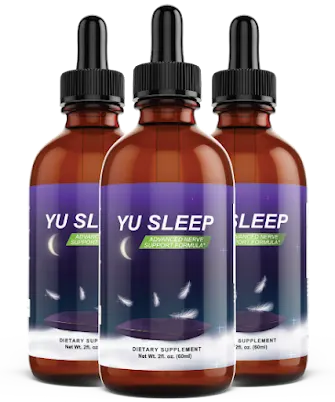
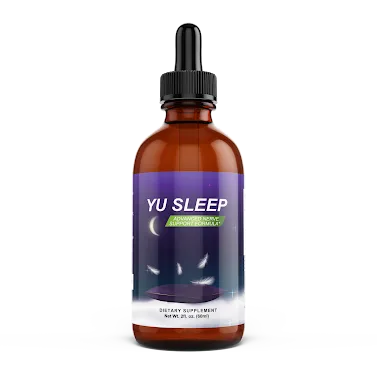
For some, incorporating a natural sleep aid can provide the extra support needed. Products like Yu Sleep, formulated with carefully selected botanical extracts and nutrients, can help calm the mind and body, facilitating a smoother transition to sleep without harsh side effects.
Introducing Yu Sleep: A Natural Approach to Restorative Sleep
While lifestyle changes and behavioral therapies are foundational, many individuals with insomnia find that a natural supplement can provide the targeted support needed to truly unwind and achieve consistent, restorative sleep. This is where Yu Sleep comes in, offering a carefully formulated blend of ingredients designed to work synergistically with your body’s natural sleep mechanisms.
Yu Sleep is developed for those who are tired of sleepless nights and the grogginess that often accompanies pharmaceutical sleep aids. It focuses on providing a gentle, non-habit-forming solution that helps calm the nervous system, reduce anxiety, and promote the natural onset of sleep. The philosophy behind Yu Sleep is to support your body's innate ability to rest, rather than forcing it into an unnatural state of slumber. Our commitment to quality and efficacy is reflected in our choice of premium, science-backed ingredients, ensuring that you receive a product that is both safe and effective. For more insights and real experiences, you might want to check out Yu Sleep reviews: real results from satisfied users.
Understanding that insomnia is a multifaceted challenge, Yu Sleep aims to address several key aspects of sleep disturbance. It helps to quiet the racing mind, ease physical tension, and regulate the sleep-wake cycle, all of which are crucial for achieving deep, uninterrupted sleep. By leveraging the power of nature, Yu Sleep offers a holistic path to better sleep, allowing you to wake up feeling refreshed, revitalized, and ready to tackle your day with renewed energy.
Key Ingredients in Effective Natural Sleep Support (Like Yu Sleep)
Effective natural sleep aids, such as Yu Sleep, are often characterized by a thoughtful blend of ingredients known for their calming and sleep-promoting properties. These ingredients work in harmony to support various aspects of the sleep cycle.
Melatonin
Role: A hormone naturally produced by the pineal gland, melatonin helps regulate the body's circadian rhythm, signaling when it's time to sleep. Supplementation can aid in falling asleep faster and adjusting to new sleep schedules.
Typical Dose: 0.5mg - 5mgMagnesium
Role: An essential mineral that plays a crucial role in nerve function and muscle relaxation. It helps activate the parasympathetic nervous system, which promotes a state of calm and prepares the body for sleep. It can also alleviate restless leg syndrome.
Typical Dose: 200mg - 400mgValerian Root Extract
Role: A popular herb known for its sedative and anxiolytic properties. It is believed to increase levels of GABA (gamma-aminobutyric acid) in the brain, which helps to calm the nervous system and reduce the time it takes to fall asleep.
Typical Dose: 300mg - 600mgChamomile Extract
Role: Widely used for its mild tranquilizing and sleep-inducing effects. It contains apigenin, an antioxidant that binds to specific receptors in the brain, helping to decrease anxiety and initiate sleep without sedation.
Typical Dose: 200mg - 500mgL-Theanine
Role: An amino acid found in green tea that promotes relaxation without drowsiness. It increases alpha brain waves, which are associated with a calm, alert state, and also boosts levels of GABA, serotonin, and dopamine, improving mood and sleep quality.
Typical Dose: 100mg - 200mg5-HTP (5-Hydroxytryptophan)
Role: A precursor to serotonin, a neurotransmitter that can be converted into melatonin in the brain. It supports healthy serotonin levels, which can improve mood and contribute to better sleep regulation and quality.
Typical Dose: 50mg - 200mg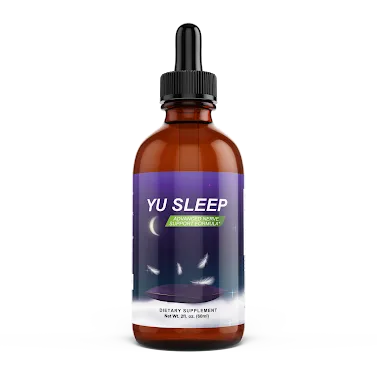
Ready to Reclaim Your Nights? Experience the Yu Sleep Difference.
Don't let sleepless nights dictate your days any longer. Yu Sleep offers a powerful, natural solution designed to help you gently drift into a deep, restorative sleep. Our expertly crafted formula combines the most effective natural ingredients to calm your mind, relax your body, and optimize your sleep cycle, allowing you to wake up feeling truly refreshed and energized.
- ✓ Supports natural sleep onset and duration
- ✓ Non-habit forming formula for peace of mind
- ✓ Reduces nighttime awakenings and improves sleep quality
- ✓ Formulated with premium, science-backed ingredients
- ✓ Backed by a 60-Day Money-Back Guarantee




What Our Customers Are Saying About Yu Sleep
"I've struggled with insomnia for years, trying everything. Yu Sleep has been a game-changer! I fall asleep faster and stay asleep, waking up genuinely rested. It's gentle and effective, without any grogginess."
"As a healthcare professional, I'm cautious about supplements. Yu Sleep's natural ingredients and doctor review convinced me. It helps me unwind after long shifts and get the deep sleep I desperately need. Highly recommend!"
"I used to dread bedtime, constantly worrying if I'd sleep. Yu Sleep has brought peace back to my nights. I feel calmer, my mind stops racing, and I finally get consistent, quality sleep. It's truly one of the sleep support remedies that work!"
Frequently Asked Questions
What is insomnia and how common is it?
+Insomnia is a common sleep disorder characterized by difficulty falling asleep, staying asleep, or getting restorative sleep, despite having adequate opportunity. It affects millions worldwide, with chronic insomnia impacting up to 10-15% of adults, significantly impairing daily functioning and quality of life.
Are natural sleep aids truly effective for insomnia?
+Many natural sleep aids, including certain herbal extracts and supplements like melatonin or magnesium, have scientific backing for their efficacy in mild to moderate insomnia. They can help regulate sleep cycles, reduce anxiety, and promote relaxation. However, their effectiveness can vary, and it's essential to choose high-quality, research-backed formulations and consult a healthcare professional.
How does Yu Sleep compare to prescription sleep medications?
+Yu Sleep is formulated with natural ingredients designed to support the body's natural sleep processes without the harsh side effects or dependency risks often associated with prescription sleep medications. While prescriptions can be powerful for severe cases, Yu Sleep offers a gentle, non-habit-forming alternative for those seeking to improve sleep quality naturally. Always consult your doctor before making changes to your medication regimen.
Can lifestyle changes alone cure insomnia?
+For many, significant improvements in insomnia can be achieved through consistent lifestyle changes, often referred to as 'sleep hygiene.' This includes maintaining a regular sleep schedule, optimizing your bedroom environment, limiting stimulants, and managing stress. While these are foundational, some individuals may benefit from additional support from natural supplements like Yu Sleep to achieve optimal results.
Is Yu Sleep safe to take long-term?
+Yu Sleep is formulated with natural, non-habit-forming ingredients, making it suitable for long-term use for most individuals. It's designed to gently support your body's natural sleep mechanisms rather than forcing sleep. However, it's always recommended to consult with a healthcare professional before starting any new supplement, especially if you have underlying health conditions or are taking other medications.
What is the recommended dosage for Yu Sleep?
+The recommended dosage for Yu Sleep is typically two capsules taken approximately 30-60 minutes before bedtime. It's important to follow the instructions on the product label for optimal results and to avoid exceeding the recommended dose. Consistency is key for natural sleep aids to allow your body to adjust and respond effectively.
Related Articles