Are You Tossing and Turning, Battling Sleep Anxiety and Insomnia Night After Night?
In our fast-paced modern world, restful sleep often feels like a luxury rather than a necessity. Millions of people struggle with the relentless cycle of sleep anxiety and insomnia, leading to daytime fatigue, impaired concentration, and a significant reduction in quality of life. The search for a natural, effective solution is more pressing than ever, as reliance on pharmaceutical sleep aids often comes with unwanted side effects and dependencies.
What if a fundamental mineral, often overlooked, held a key to unlocking the tranquil nights you desperately crave? Research increasingly points to the profound impact of magnesium for sleep, anxiety reduction, and combating insomnia, suggesting it might be the missing piece in your journey towards restorative rest.
The Silent Epidemic: Understanding Sleep Anxiety and Insomnia
Before we dive into solutions, it's crucial to grasp the pervasive nature and impact of sleep anxiety and insomnia on our health and daily lives.
Insomnia is more than just an occasional restless night; it's a persistent difficulty with sleep initiation, duration, consolidation, or quality that occurs despite adequate opportunity for sleep. This can manifest as trouble falling asleep (sleep onset insomnia), staying asleep (sleep maintenance insomnia), or waking up too early and being unable to return to sleep. The consequences are far-reaching, affecting everything from mood and cognitive function to immune system strength and metabolic health.
Sleep anxiety, often intertwined with insomnia, refers to the worry, apprehension, and fear surrounding sleep itself. This "performance anxiety" can create a vicious cycle: the more you worry about not sleeping, the harder it becomes to relax and drift off. The mind races, the body tenses, and the very act of trying to sleep becomes a source of stress. Both conditions are increasingly prevalent, fueled by modern stressors, digital overstimulation, and inadequate nutritional intake.
Many individuals turn to various remedies, but often overlook foundational nutritional deficiencies that can exacerbate these issues. Addressing the root causes, including vital mineral imbalances, can be a game-changer for long-term sleep health.
💡 Key Takeaway
Sleep anxiety and insomnia are widespread challenges, creating a detrimental cycle of worry and restless nights. Understanding their interconnectedness is the first step towards finding effective, holistic solutions.
Magnesium: The Unsung Hero of Restful Sleep
Magnesium is an essential mineral involved in over 300 biochemical reactions in the body, playing a critical role in nerve function, muscle contraction, blood sugar control, blood pressure regulation, and bone health. However, its profound impact on sleep and relaxation is often underestimated.
This powerhouse mineral acts as a natural tranquilizer, helping to calm the nervous system and prepare the body for sleep. It does this through several key mechanisms:
- Neurotransmitter Regulation: Magnesium binds to gamma-aminobutyric acid (GABA) receptors. GABA is the brain's primary inhibitory neurotransmitter, responsible for slowing down brain activity and promoting relaxation. By activating GABA receptors, magnesium helps quiet the mind, making it easier to fall asleep.
- Melatonin Production: Magnesium is crucial for the regulation of melatonin, the hormone that guides our sleep-wake cycles (circadian rhythm). Adequate magnesium levels ensure the body can produce and utilize melatonin effectively.
- Muscle Relaxation: Magnesium acts as a natural calcium channel blocker, preventing calcium from overstimulating muscles and causing contraction. This allows muscles to relax, alleviating restless leg syndrome and general muscle tension that can disrupt sleep.
- Stress and Anxiety Reduction: By modulating the stress response system, magnesium helps lower cortisol levels (the "stress hormone") and promotes a sense of calm. This direct impact on the body's stress response is particularly beneficial for those suffering from sleep anxiety.
- Regulating the HPA Axis: Magnesium helps regulate the hypothalamic-pituitary-adrenal (HPA) axis, which is the body's central stress response system. A well-regulated HPA axis means less physiological stress and a greater ability to relax before bed.
Considering its widespread roles, it's no surprise that a deficiency in magnesium can manifest as sleep disturbances, anxiety, and even chronic insomnia. Many studies have highlighted that individuals with insomnia often have lower magnesium levels, further cementing its importance for sleep health.
Signs You Might Be Magnesium Deficient
Despite its importance, magnesium deficiency is remarkably common, affecting up to 50% of the population in Western countries. Modern diets, chronic stress, certain medications, and even soil depletion contribute to this widespread issue. Recognizing the signs can be the first step towards improving your sleep.
Persistent Sleep Problems
Difficulty falling asleep, frequent nighttime awakenings, restless leg syndrome, and overall poor sleep quality are classic indicators. Magnesium's role in calming the nervous system directly impacts these issues.
Increased Anxiety & Stress
Feeling constantly on edge, irritable, or experiencing panic attacks can be linked to low magnesium, as it impacts GABA and the body's stress response. This directly fuels sleep anxiety.
Muscle Cramps & Spasms
Twitching eyelids, leg cramps, or general muscle weakness are common physical symptoms of insufficient magnesium, which plays a vital role in muscle relaxation.
Headaches & Migraines
Magnesium deficiency is often associated with increased frequency and severity of tension headaches and migraines, which can certainly interfere with peaceful sleep.
Fatigue & Low Energy
Even if you're getting some sleep, chronic fatigue can be a sign. Magnesium is vital for energy production at a cellular level, so a deficit can leave you feeling drained.
Heart Palpitations
While requiring medical evaluation, irregular heartbeats or palpitations can sometimes be a symptom of magnesium imbalance, as it's critical for heart muscle function.
If you recognize several of these symptoms, especially those related to sleep and anxiety, it might be worth considering your magnesium intake. While dietary sources are always the first line of defense, supplementation can be a powerful tool to correct deficiencies and support optimal health.
Different Forms of Magnesium: Which One is Best for Sleep?
Not all magnesium supplements are created equal. The form of magnesium dictates its bioavailability (how well your body absorbs it) and its specific effects. For sleep and anxiety, certain forms stand out.
Here are some of the most common forms and their suitability for promoting restful sleep:
- Magnesium Glycinate: Highly bioavailable and often recommended for sleep and anxiety due to the presence of glycine, an amino acid known for its calming effects on the brain. It's gentle on the stomach and less likely to cause digestive upset.
- Magnesium L-Threonate: This form is unique because it has been shown to cross the blood-brain barrier more effectively than other forms, potentially increasing magnesium concentrations in the brain. This can lead to improved cognitive function and a deeper calming effect, making it excellent for severe sleep anxiety.
- Magnesium Citrate: A popular and well-absorbed form, often used for constipation due to its mild laxative effect. While it can help with relaxation, its digestive impact might not be ideal for everyone seeking solely sleep benefits.
- Magnesium Taurate: Combines magnesium with taurine, another amino acid with calming properties. This combination can be beneficial for cardiovascular health and stress reduction, indirectly supporting sleep.
- Magnesium Malate: Often found in combination with malic acid, which plays a role in energy production. It's generally well-absorbed but might be more stimulating for some, making it less ideal right before bed compared to glycinate or L-threonate.
- Magnesium Oxide: This is a common and inexpensive form, but it has very poor bioavailability (only about 4% absorption). It's primarily used as a laxative and is not recommended for correcting magnesium deficiency or improving sleep.
When choosing a supplement, look for forms like magnesium glycinate or L-threonate if your primary goal is to improve sleep and reduce anxiety. Always consult with a healthcare professional to determine the best form and dosage for your individual needs.
Beyond Magnesium: A Holistic Approach to Combating Insomnia
While magnesium is a powerful ally, achieving truly restorative sleep often requires a multi-faceted approach. Integrating good sleep hygiene practices and considering other natural supplements can significantly enhance your results.
Establish a Consistent Sleep Schedule
Going to bed and waking up at the same time every day, even on weekends, helps regulate your body's natural circadian rhythm. This consistency signals to your body when it's time to be awake and when it's time to wind down, making it easier to fall asleep and wake up refreshed.
Optimize Your Sleep Environment
Ensure your bedroom is dark, quiet, and cool. Block out light with blackout curtains, use earplugs or a white noise machine if necessary, and set your thermostat to a comfortable temperature (ideally between 60-67°F or 15-19°C). A comfortable mattress and pillows also play a crucial role.
Limit Stimulants and Heavy Meals
Avoid caffeine and nicotine, especially in the afternoon and evening, as they are stimulants that can disrupt sleep. Also, try to avoid heavy, fatty, or spicy meals close to bedtime, which can cause indigestion and discomfort. Alcohol, while initially sedating, fragments sleep later in the night.
Incorporate a Relaxing Bedtime Routine
Signal to your body that it's time to sleep with a consistent pre-sleep ritual. This could include a warm bath, reading a book, gentle stretching, meditation, or listening to calming music. Avoid screens (phones, tablets, computers, TV) at least an hour before bed due to blue light emission.
Regular Physical Activity
Engage in regular exercise during the day, but avoid intense workouts too close to bedtime. Physical activity helps reduce stress and fatigue, promoting deeper, more restorative sleep. Even a brisk walk can make a difference.
Consider Other Natural Sleep Aids
Beyond magnesium, other natural ingredients can support sleep. For example, you might look into a sleep quality improvement supplement that combines various beneficial components. Ingredients like L-Theanine, GABA, Valerian Root, and Chamomile are often used to promote relaxation and ease sleep onset. For more information, you can explore vitamins for better sleep or specifically consider a GABA supplement for sleep if anxiety is a primary concern. The key is to find a blend that addresses your specific needs without causing drowsiness or side effects.
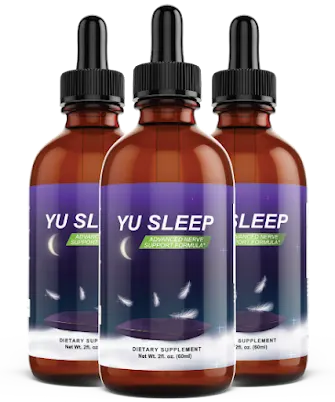
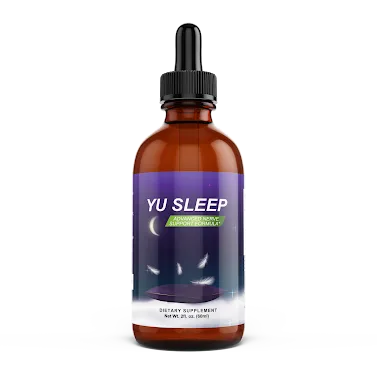
Introducing Yu Sleep: A Comprehensive Natural Approach to Restful Nights
While magnesium is undoubtedly vital, the most effective solutions for sleep anxiety and insomnia often combine several synergistic ingredients. This is where a thoughtfully formulated supplement like Yu Sleep comes into play.
Yu Sleep is designed to be more than just a magnesium supplement; it's a holistic blend of natural ingredients carefully selected for their ability to promote relaxation, reduce anxiety, and support all phases of the sleep cycle. It aims to address the multi-faceted nature of sleep disturbances, offering a gentle yet powerful path to consistent, restorative sleep.
By combining highly bioavailable forms of magnesium with other proven botanicals and amino acids, Yu Sleep works to:
- Calm a Racing Mind: Ingredients that activate GABA receptors and support neurotransmitter balance help quiet mental chatter.
- Relax the Body: Magnesium and other muscle-relaxing compounds ease physical tension.
- Regulate Sleep Cycles: Support for natural melatonin production helps re-establish a healthy circadian rhythm.
- Reduce Stress and Anxiety: Adaptogenic herbs and calming amino acids help mitigate the physiological effects of stress, preventing sleep anxiety from taking hold.
Yu Sleep represents a commitment to natural wellness, providing a carefully balanced formula without relying on synthetic sedatives or habit-forming substances. It's about empowering your body's natural ability to achieve deep, restorative sleep, night after night.
The Synergistic Power of Yu Sleep's Key Ingredients
Yu Sleep's formula is crafted to provide comprehensive support for sleep and anxiety by leveraging the combined strength of several natural compounds.
Magnesium (Glycinate & Citrate)
Role: Essential for nerve function, muscle relaxation, and activating GABA receptors to calm the brain. Glycinate offers superior absorption and calming effects, while citrate aids general magnesium levels.
GABA (Gamma-Aminobutyric Acid)
Role: The primary inhibitory neurotransmitter in the brain. GABA helps to reduce neuronal excitability, promoting relaxation and making it easier to fall asleep and stay asleep. It's crucial for managing sleep anxiety.
L-Theanine
Role: An amino acid found in green tea, L-Theanine promotes relaxation without drowsiness. It increases alpha brain waves, associated with a relaxed but alert state, and can help reduce stress and improve sleep quality.
5-HTP (5-Hydroxytryptophan)
Role: A precursor to serotonin, which in turn converts to melatonin, the sleep hormone. 5-HTP helps regulate mood and sleep cycles, contributing to deeper, more consistent sleep patterns and reduced anxiety.
Valerian Root
Role: A well-known herb traditionally used for centuries to promote sleep and alleviate anxiety. It is believed to increase GABA levels in the brain, producing a mild sedative effect.
Chamomile Extract
Role: Renowned for its calming properties, chamomile contains apigenin, an antioxidant that binds to specific receptors in the brain, helping to decrease anxiety and initiate sleep.
Lemon Balm Extract
Role: A member of the mint family, lemon balm has a long history of use for reducing stress, improving mood, and promoting sleep. It's thought to act on GABA receptors, similar to Valerian.
Passionflower Extract
Role: Another traditional herbal remedy for anxiety and insomnia. Passionflower is believed to boost GABA levels in the brain, leading to a calming effect and improved sleep quality.
This carefully chosen blend ensures that Yu Sleep tackles sleep challenges from multiple angles, supporting both mind and body for a truly restorative night's rest.
Ready to Reclaim Your Nights and Wake Up Refreshed?
Don't let sleep anxiety and insomnia dictate your life any longer. Yu Sleep offers a natural, comprehensive solution designed to help you achieve the deep, restorative sleep you deserve. Experience the difference a balanced, natural formula can make.
- ✓ Supports natural sleep cycles
- ✓ Reduces sleep anxiety and stress
- ✓ Promotes deep, restorative sleep
- ✓ Non-habit forming and gentle formula
- ✓ Wake up feeling refreshed and energized




What Our Customers Are Saying
"I used to dread bedtime because of my racing thoughts. Yu Sleep, especially the magnesium in it, has been a game-changer. I fall asleep faster and wake up feeling truly rested, not groggy."
"After years of struggling with insomnia and anxiety about not sleeping, I finally found relief with Yu Sleep. It's gentle, effective, and I love that it's all natural. My nights are peaceful again."
"The combination of magnesium and other calming ingredients in Yu Sleep has transformed my sleep. I no longer wake up multiple times a night, and my daytime anxiety has significantly decreased. Highly recommend!"
Frequently Asked Questions
How does magnesium specifically help with sleep anxiety and insomnia?
+Magnesium plays a crucial role in regulating neurotransmitters like GABA, which calms the nervous system. It also supports melatonin production and muscle relaxation, reducing the physical and mental tension that often contributes to sleep anxiety and insomnia.
What are the common signs of magnesium deficiency related to sleep?
+Common signs include difficulty falling asleep, frequent waking, restless leg syndrome, muscle cramps, anxiety, irritability, and general fatigue. If you experience these, a magnesium deficiency might be contributing to your sleep issues.
Are all forms of magnesium equally effective for sleep?
+No, different forms have varying bioavailability and effects. Magnesium glycinate, citrate, and L-threonate are often recommended for sleep due to their good absorption and calming properties, while others like magnesium oxide are less effective for this purpose.
Can I get enough magnesium from my diet alone to improve my sleep?
+While it's ideal to get magnesium from food sources like leafy greens, nuts, seeds, and whole grains, many people don't consume enough. Soil depletion and modern diets often lead to insufficient intake, making supplementation a viable option for many.
Is Yu Sleep a natural solution for sleep issues?
+Yes, Yu Sleep is formulated with a blend of natural ingredients, including magnesium, GABA, L-Theanine, and botanical extracts, designed to support relaxation and promote healthy sleep without harsh chemicals or artificial additives.
How long does it take to see results from magnesium supplementation for sleep?
+Results can vary, but many individuals report noticing improvements in sleep quality and reduced anxiety within a few days to a few weeks of consistent magnesium supplementation. For optimal results, combine with good sleep hygiene practices.
Related Articles