Are You Tired of Tossing and Turning? Discover the Power of Vitamins for Better Sleep.
In a world that never truly sleeps, finding genuine, restorative rest can feel like an elusive dream. Millions of adults globally grapple with insomnia and poor sleep quality, leading to a cascade of negative effects on their health, mood, and daily productivity. From chronic fatigue to impaired cognitive function, the consequences of insufficient sleep are far-reaching and debilitating.
While traditional approaches to sleep problems often focus on lifestyle changes or pharmaceutical interventions, there's a growing understanding of the critical role nutrition plays. Increasingly, research points to the profound impact that essential vitamins and minerals have on our ability to fall asleep, stay asleep, and achieve truly rejuvenating rest. Could the key to your better sleep lie in your daily nutrient intake?
Understanding Insomnia and Poor Sleep Quality
Before diving into solutions, it's vital to grasp the nature of the problem. Insomnia isn't just about not sleeping; it's about the profound impact it has on every aspect of your life.
Insomnia is a common sleep disorder characterized by difficulty falling asleep, difficulty staying asleep, or waking up too early and not being able to get back to sleep. It can be acute (short-term) or chronic (long-term). Poor sleep quality, even if you get enough hours, means your sleep isn't restorative, leaving you feeling tired and unrefreshed. The Centers for Disease Control and Prevention (CDC) considers insufficient sleep a public health epidemic, linked to chronic diseases like diabetes, heart disease, obesity, and depression.
Many factors contribute to sleep disturbances, from psychological stressors and lifestyle choices to underlying medical conditions. For a deeper understanding of the various culprits behind sleepless nights, you might find our article on causes-of-insomnia.html particularly insightful. While behavioral therapies and medications are often prescribed, a holistic view increasingly includes nutritional strategies as a foundational element for supporting healthy sleep architecture.
💡 Key Takeaway
Insomnia and poor sleep quality are widespread issues with significant health implications. While various factors contribute to these conditions, nutritional deficiencies are increasingly recognized as a key, often overlooked, component that can disrupt the body's natural sleep mechanisms.
The Crucial Link Between Nutrition and Sleep
Your body is an intricate biochemical machine, and its ability to sleep soundly relies heavily on the availability of specific nutrients.
Sleep isn't simply a state of inactivity; it's a complex, highly regulated process involving a delicate balance of neurotransmitters, hormones, and physiological rhythms. Many of these processes, from the synthesis of melatonin (the "sleep hormone") to the regulation of stress responses, are dependent on adequate levels of certain vitamins and minerals. When these nutrients are lacking, the intricate machinery of sleep can falter, leading to difficulties falling asleep, fragmented sleep, and non-restorative rest.
For example, magnesium is a well-known natural relaxant, essential for muscle and nerve function. A deficiency can lead to muscle cramps, restlessness, and anxiety—all notorious sleep disruptors. Similarly, certain B vitamins are critical cofactors in the production of neurotransmitters like serotonin, which is a precursor to melatonin. Without sufficient levels, your body struggles to produce the very chemicals needed to signal sleep. Understanding these connections empowers us to approach sleep problems not just as a behavioral issue, but as a potential nutritional imbalance.
Essential Vitamins and Minerals for Restorative Sleep
Let's explore some of the most important micronutrients that play a direct role in regulating your sleep cycle and promoting relaxation.
Magnesium: The Natural Calming Mineral
Magnesium is involved in over 300 biochemical reactions in the body, many of which are crucial for sleep. It helps regulate neurotransmitters that send signals throughout the brain and nervous system, and it can activate the parasympathetic nervous system, responsible for calming the body and mind. Magnesium also binds to GABA receptors, which helps quiet nervous activity and promote relaxation. Deficiency is common and can manifest as anxiety, muscle twitching, and difficulty sleeping.
Zinc: Supporting Sleep Regulation and Immunity
Often overlooked in sleep discussions, zinc plays a vital role in neurological function and sleep regulation. It interacts with melatonin and can influence the length and quality of sleep. Zinc deficiency has been linked to sleep disturbances and can impact overall immune function, which in turn can affect sleep. It's also involved in neurotransmitter activity, including those that promote relaxation and sleep onset.
Vitamin D: More Than Just Bone Health
Emerging research highlights Vitamin D's critical role in sleep. Receptors for Vitamin D are found in brain regions involved in sleep regulation. Studies have shown a correlation between low Vitamin D levels and poor sleep quality, including reduced sleep duration, increased nighttime awakenings, and daytime sleepiness. Ensuring adequate Vitamin D levels through sun exposure, diet, or supplementation can be a significant step towards better sleep.
B Vitamins (Especially B6, B9, B12): Neurotransmitter Powerhouses
The B-vitamin complex is essential for energy metabolism and neurological function. Specifically, Vitamin B6 (pyridoxine) is crucial for the synthesis of serotonin, which is then converted into melatonin. Vitamin B9 (folate) and B12 (cobalamin) also play roles in mood regulation and nervous system health, indirectly influencing sleep quality. Deficiencies in these vitamins can disrupt the body's ability to produce necessary sleep chemicals, leading to insomnia.
Calcium: A Natural Sedative
Calcium isn't just for strong bones; it also plays a role in sleep. Studies have shown that calcium levels in the body are higher during deeper sleep stages. It helps the brain use the amino acid tryptophan to make melatonin, the sleep-inducing hormone. A calcium deficiency can lead to restlessness and difficulty falling asleep. Dairy products, leafy greens, and fortified foods are good sources.
Iron: Preventing Restless Legs and Fatigue
While not directly a sleep-inducing nutrient, iron deficiency (anemia) can severely impact sleep quality, primarily by causing fatigue and, more specifically, contributing to Restless Legs Syndrome (RLS). RLS is a neurological disorder characterized by an irresistible urge to move the legs, often accompanied by uncomfortable sensations, particularly at night. Ensuring adequate iron levels can alleviate RLS symptoms and improve overall energy, indirectly fostering better sleep.
Beyond Vitamins: Other Natural Compounds for Sleep Support
While vitamins and minerals form the foundation, several other natural compounds and herbal extracts are renowned for their sleep-promoting properties.
The quest for better sleep often leads us to explore a wider spectrum of natural aids. These compounds work through various mechanisms, from directly influencing sleep-wake cycles to calming the nervous system and reducing anxiety. Integrating them, either through diet or carefully chosen supplements, can significantly enhance your body's natural ability to achieve deep, restorative sleep.
Melatonin: The Body's Sleep Signal
Melatonin is arguably the most well-known sleep aid. It's a hormone naturally produced by the pineal gland in your brain, signaling to your body that it's time to sleep. Production is influenced by light and darkness, with levels rising in the evening. As a supplement, melatonin can be particularly effective for individuals with disrupted circadian rhythms (e.g., jet lag, shift work) or those whose natural production declines with age. It helps to regulate the sleep-wake cycle and can reduce the time it takes to fall asleep.
L-Theanine: Calm Without Drowsiness
Found primarily in green tea, L-Theanine is an amino acid known for its ability to promote relaxation without causing drowsiness. It works by increasing alpha brain waves, which are associated with a relaxed but alert state, and by boosting levels of GABA, serotonin, and dopamine – neurotransmitters that regulate mood, sleep, and emotion. L-Theanine can significantly improve sleep quality by reducing anxiety and promoting a calm mind before bed.
GABA (Gamma-Aminobutyric Acid): The Brain's Natural Brake
GABA is the primary inhibitory neurotransmitter in the central nervous system. Its main role is to reduce neuronal excitability throughout the nervous system. By dampening nerve activity, GABA helps to promote relaxation, reduce stress, and prepare the brain for sleep. Low GABA activity is linked to insomnia and chronic stress, making supplementation a potential strategy for calming an overactive mind.
5-HTP (5-Hydroxytryptophan): Melatonin's Precursor
5-HTP is a naturally occurring amino acid that is a precursor to serotonin, which in turn is converted into melatonin. By boosting serotonin levels, 5-HTP can indirectly support melatonin production, potentially leading to improved sleep quality and reduced time to fall asleep. It's often used for mood regulation as well, highlighting the interconnectedness of mood and sleep.
Valerian Root: A Traditional Sedative
Valerian root has been used for centuries as a natural remedy for sleep problems, anxiety, and nervousness. Its sedative effects are attributed to compounds that increase GABA levels in the brain. Valerian can help people fall asleep faster and improve sleep quality, particularly for those with mild to moderate insomnia. It's known for its earthy aroma and is often consumed as a tea or supplement.
Chamomile: The Gentle Soother
Perhaps one of the most widely recognized herbal sleep aids, chamomile contains an antioxidant called apigenin, which binds to specific receptors in the brain that may decrease anxiety and initiate sleep. Chamomile tea is a popular bedtime beverage, valued for its mild sedative and calming properties, making it an excellent choice for winding down before bed.
Ashwagandha: An Adaptogenic Ally
Ashwagandha is an adaptogenic herb, meaning it helps the body manage stress. Chronic stress is a major contributor to insomnia, and by reducing cortisol levels and promoting a sense of calm, Ashwagandha can significantly improve sleep quality. It doesn't directly induce sleep like melatonin but rather helps create the optimal physiological state for sleep to occur naturally.
Integrating Nutrients for Optimal Sleep: Dietary Sources vs. Supplements
While a nutrient-rich diet is paramount, sometimes supplementation becomes a necessary tool in the fight against insomnia.
Dietary Sources
Prioritizing nutrient-dense foods is the first line of defense. Foods rich in magnesium include leafy greens, nuts, seeds, and dark chocolate. Tryptophan-rich foods like turkey, chicken, and eggs can support serotonin production. Calcium is abundant in dairy, fortified plant milks, and leafy greens. B vitamins are found in whole grains, meat, fish, and legumes. A balanced diet can go a long way in providing the building blocks for good sleep. However, modern farming practices, food processing, and individual absorption issues can make it challenging to obtain optimal levels solely through diet.
When Supplements Help
Even with the best intentions, dietary intake might not be sufficient to correct existing deficiencies or meet the increased demands of a stressed body. This is where high-quality supplements can bridge the gap. For individuals with chronic insomnia, identified nutrient deficiencies, or those facing significant stress, a targeted sleep supplement can provide the concentrated support needed to restore balance. Supplements offer a convenient and often more potent way to deliver specific sleep-supporting nutrients directly to your system.
Professional Guidance
It's crucial to approach supplementation with an informed perspective. Before starting any new supplement regimen, especially if you have underlying health conditions or are taking other medications, consult with a healthcare professional. They can help identify potential deficiencies, recommend appropriate dosages, and ensure there are no contraindications. While natural, supplements are potent and should be used responsibly as part of a comprehensive sleep strategy.
Considering a Comprehensive Sleep Support Formula Like Yu Sleep
For those seeking a holistic approach to better sleep, a well-formulated supplement can offer synergistic benefits.
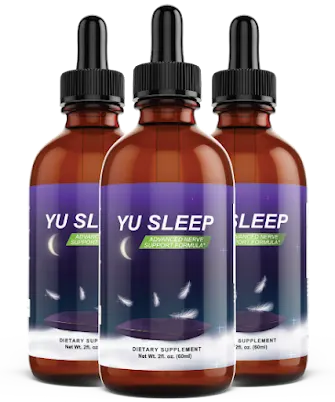
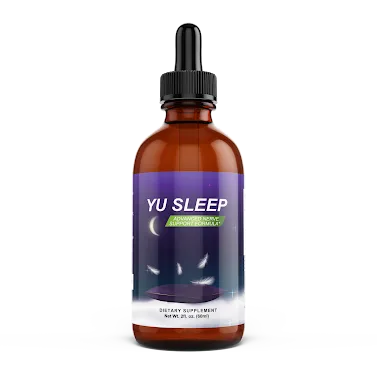
While individual supplements like magnesium or melatonin can be helpful, many people find greater success with a comprehensive formula that combines several sleep-supporting ingredients. The synergy between multiple nutrients and herbal extracts can address various facets of sleep disturbance simultaneously. A product like Yu Sleep is designed with this multi-pronged approach in mind, aiming to support natural sleep processes rather than simply sedating the body.
Yu Sleep specifically includes a blend of key vitamins, minerals, and herbal extracts known for their roles in promoting relaxation, reducing stress, and supporting the body's natural sleep-wake cycle. By combining ingredients like Magnesium, L-Theanine, 5-HTP, and Valerian Root, it offers a broad spectrum of support. This integrated approach can be particularly beneficial for individuals whose insomnia stems from a combination of factors, such as anxiety, an overactive mind, or disrupted melatonin production.
Choosing a reputable supplement from a trusted source, such as the official Yu Sleep website, ensures you receive a high-quality product that adheres to manufacturing standards. If you're looking for a detailed analysis of the product, including user experiences and scientific backing, consider reading a Yu Sleep review 2026 to make an informed decision.
The Synergistic Power of Yu Sleep's Ingredients
Yu Sleep's formula is carefully crafted to leverage the combined power of nature's best sleep aids, working together to guide you into a state of restful slumber.
Melatonin
Role: Your body's natural sleep hormone, signaling darkness and promoting sleep onset. It helps regulate circadian rhythm, making it easier to fall asleep, especially for those with irregular sleep patterns.
Magnesium
Role: A vital mineral that calms the nervous system, relaxes muscles, and supports GABA production. It helps reduce stress and anxiety, creating an ideal environment for sleep.
L-Theanine
Role: An amino acid found in tea, known for promoting relaxation without drowsiness. It increases alpha brain waves, fostering a state of calm alertness conducive to sleep.
5-HTP
Role: A precursor to serotonin, which then converts into melatonin. It supports the natural production of sleep-regulating hormones, improving mood and sleep quality.
Valerian Root Extract
Role: A traditional herb used for centuries to ease anxiety and promote sleep. It contains compounds that interact with GABA receptors in the brain, inducing a calming effect.
Chamomile Extract
Role: A gentle, widely recognized herb known for its mild sedative properties. It contains apigenin, an antioxidant that binds to brain receptors to reduce anxiety and initiate sleep.
Ashwagandha
Role: An adaptogenic herb that helps the body manage stress and anxiety. By reducing cortisol levels, it creates a more relaxed state, making it easier to transition into sleep.
Lemon Balm Extract
Role: Known for its calming effects, lemon balm helps reduce stress and anxiety, which can often interfere with sleep. It promotes a sense of tranquility, aiding in sleep onset.
Passion Flower Extract
Role: Traditionally used to treat anxiety and insomnia. It is believed to work by increasing levels of GABA in the brain, helping to quiet an overactive mind and promote relaxation.
Hops Extract
Role: Often combined with Valerian, hops has mild sedative properties that can help calm the nervous system and promote relaxation, contributing to faster sleep onset and improved sleep quality.
GABA
Role: The brain's main inhibitory neurotransmitter, GABA reduces nerve excitability, helping to calm the mind and prepare the body for sleep. It's crucial for stress reduction and relaxation.
Vitamin B6
Role: Essential for the production of neurotransmitters like serotonin and melatonin. Adequate B6 levels ensure your body can synthesize the necessary compounds for healthy sleep cycles.
Beyond Supplements: A Holistic Approach to Sleep Health
While nutritional support is powerful, optimal sleep health requires a multi-faceted approach that addresses all aspects of your lifestyle.
Supplements like Yu Sleep can be a significant part of your journey to better sleep, but they work best when integrated into a holistic strategy. Addressing your sleep environment, daily habits, and stress levels creates a foundation upon which nutritional support can truly thrive.
Prioritize Sleep Hygiene
- Consistent Schedule: Go to bed and wake up at the same time every day, even on weekends.
- Optimal Environment: Ensure your bedroom is dark, quiet, cool, and comfortable.
- Wind-Down Routine: Establish a relaxing ritual before bed, such as reading, taking a warm bath, or meditating.
- Limit Screens: Avoid blue light-emitting devices (phones, tablets, computers) for at least an hour before bed.
Manage Stress and Anxiety
Chronic stress is a leading cause of insomnia. Incorporate stress-reduction techniques into your daily life:
- Mindfulness & Meditation: Practice daily meditation or deep breathing exercises.
- Yoga & Tai Chi: Gentle physical activities that promote relaxation.
- Journaling: Write down your thoughts and worries before bed to clear your mind.
Diet and Lifestyle Choices
- Balanced Diet: Continue to focus on nutrient-rich foods that support overall health and sleep.
- Caffeine & Alcohol: Limit caffeine intake, especially in the afternoon and evening. Reduce alcohol consumption, as it can disrupt sleep architecture.
- Regular Exercise: Engage in moderate physical activity during the day, but avoid intense workouts close to bedtime.
For more detailed insights into natural remedies and lifestyle adjustments, explore our article on natural-remedies-for-insomnia-adults.html. Combining these practices with targeted nutritional support can create a powerful synergy, paving the way for consistent, restorative sleep.
Experience the Deep, Restorative Sleep You Deserve with Yu Sleep
Don't let sleepless nights dictate your days. Yu Sleep is expertly formulated with a precise blend of natural vitamins, minerals, and potent herbal extracts designed to support healthy sleep cycles, calm your mind, and help you wake up refreshed and energized.
- Natural Ingredients for Gentle Sleep Support
- Promotes Faster Sleep Onset
- Enhances Deep, Restorative Sleep
- Reduces Nighttime Awakenings
- Non-Habit Forming Formula for Sustainable Rest




What Our Satisfied Customers Are Saying
"I've struggled with insomnia for years, trying everything. Yu Sleep has been a game-changer. I fall asleep faster and wake up feeling truly rested, not groggy. It's gentle but incredibly effective."
"As a busy professional, stress often kept me awake. Yu Sleep helps me unwind and get quality sleep. I feel more focused and energetic during the day. Highly recommend for anyone needing real sleep."
"I was skeptical at first, but Yu Sleep delivered. The natural ingredients make me feel good about what I'm taking, and the results speak for themselves. My sleep quality has improved dramatically."
Frequently Asked Questions
What are the primary causes of insomnia and poor sleep quality?
+Insomnia and poor sleep quality can stem from a variety of factors, including stress, anxiety, depression, poor sleep hygiene, certain medical conditions (like sleep apnea or restless legs syndrome), medications, caffeine or alcohol consumption, and even environmental factors like noise or light. Nutritional deficiencies can also play a significant role by disrupting neurotransmitter balance and hormonal regulation necessary for sleep.
Can specific vitamins and minerals truly improve sleep and relieve insomnia?
+Yes, a growing body of research suggests that certain vitamins and minerals are crucial for sleep regulation. For instance, magnesium helps relax muscles and calm the nervous system, while B vitamins are essential for the production of melatonin and serotonin, key sleep hormones. Vitamin D also plays a role in sleep quality and duration. Addressing deficiencies in these nutrients can significantly contribute to better sleep and potential insomnia relief.
How long does it typically take for sleep supplements to show results?
+The time it takes to see results from sleep supplements can vary greatly depending on the individual, the severity of their sleep issues, and the specific ingredients in the supplement. Some individuals may experience improvements within a few days, especially with ingredients like melatonin. For others, particularly those with long-standing deficiencies, it might take a few weeks of consistent use to notice significant changes in sleep quality and duration. Consistency and adherence to recommended dosages are key.
Is Yu Sleep safe to take every night, and is it non-habit forming?
+Yu Sleep is formulated with natural ingredients known for their gentle, supportive effects on sleep, rather than sedatives that can lead to dependency. Ingredients like magnesium, L-theanine, and herbal extracts are generally considered safe for nightly use and are non-habit forming. However, it's always recommended to consult with a healthcare professional before starting any new supplement regimen, especially if you have pre-existing medical conditions or are taking other medications, to ensure it's appropriate for your individual needs.
What distinguishes Yu Sleep from other sleep aids on the market?
+Yu Sleep stands out due to its comprehensive and synergistic blend of scientifically-backed natural ingredients. Unlike single-ingredient supplements, Yu Sleep combines essential vitamins, minerals, and potent herbal extracts like Valerian Root, Chamomile, and Ashwagandha to address multiple facets of sleep health – from calming the nervous system and reducing stress to supporting the body's natural melatonin production. It's designed for holistic sleep support without harsh chemicals or addictive properties, focusing on restorative, natural sleep.
Where is the best place to purchase Yu Sleep to ensure authenticity and quality?
+To guarantee you receive an authentic Yu Sleep product and benefit from any special offers or guarantees, it is highly recommended to purchase directly from the official Yu Sleep website. This ensures you get the genuine product, access to customer support, and the peace of mind of their 60-day money-back guarantee. Avoid third-party retailers to prevent counterfeit products or expired stock.
Related Articles