Are You Giving Your Immune System the Sleep It Needs to Thrive?
In our fast-paced world, sleep often feels like a luxury we can afford to cut short. Yet, mounting scientific evidence underscores sleep's profound role, not just in mental clarity and energy, but as a non-negotiable cornerstone of a robust immune system. It's during these quiet hours that your body performs essential maintenance, repair, and defense functions.
This article, authored by Dr. Sandra Morris and reviewed by Dr. George Evans, M.D., delves into the intricate relationship between your sleep patterns and your body's ability to fight off illness, heal, and stay healthy. We'll explore how adequate, restorative sleep empowers your immune system, making it a powerful ally against infections, chronic diseases, and even stress. If you struggle with insomnia or poor sleep quality, understanding this connection is your first step towards better health.
The Foundation of Immunity: Why Sleep Isn't Optional
Sleep is far more than just "rest" for your brain and body. It's an active, highly organized biological process crucial for cellular repair, memory consolidation, and critically, immune system regulation.
Think of your immune system as an army constantly on patrol, defending your body against invaders like viruses, bacteria, and other pathogens. Just like any army, it needs periods of rest and resupply to function effectively. During sleep, your body releases protective proteins called cytokines, which are essential for fighting infection and inflammation. When you're sleep-deprived, your body produces fewer of these vital cytokines, making you more vulnerable to illness and slowing down your recovery.
Beyond cytokines, sleep also impacts the production of T-cells, which are a type of white blood cell that plays a central role in your immune response. Studies have shown that even a single night of poor sleep can significantly reduce the number and effectiveness of these crucial cells. This isn't just about feeling tired; it's about compromising your body's front-line defenses.
💡 Key Takeaway
Sleep is a vital, active process where your immune system synthesizes protective proteins (cytokines) and optimizes immune cell function. Skipping sleep directly weakens your body's ability to fight off infections and heal.
How Sleep Orchestrates Your Immune Response and Healing
The immune system doesn't just "rest" during sleep; it actively reorganizes and strengthens itself. This nocturnal activity is complex and multi-faceted.
During deep sleep stages, your body initiates a symphony of immune activity. It's when your immune system gets busy creating new infection-fighting antibodies and memory cells. These memory cells are crucial because they "remember" past invaders, allowing your body to mount a faster, more effective response if you encounter them again. This is why sleep is so important for the effectiveness of vaccinations – a well-rested body can build a stronger immune response to a vaccine.
Furthermore, sleep helps regulate inflammation. Chronic inflammation is linked to a host of health problems, from heart disease to autoimmune disorders. Adequate sleep helps keep inflammatory markers in check, promoting overall systemic health. Conversely, a lack of sleep can lead to elevated levels of inflammatory proteins, exacerbating existing conditions and potentially contributing to new ones. The restorative power of sleep extends to cellular repair, helping your body mend tissues and recover from daily wear and tear, which is an integral part of the healing process.
5 Ways Quality Sleep Fortifies Your Defenses
Prioritizing quality sleep offers a multitude of direct benefits to your immune system, making it more resilient and effective.
Boosts Cytokine Production
During sleep, your body releases proteins called cytokines, which are crucial for fighting infection and inflammation. Adequate sleep ensures optimal production of these immune messengers, essential for a strong defensive response and rapid healing.
Enhances T-Cell Effectiveness
Sleep helps T-cells, a type of white blood cell vital for targeting and destroying infected cells, to stick to their targets more effectively. This enhanced adhesion means a more robust and efficient immune response against viruses and bacteria.
Strengthens Antibody Response
When you get vaccinated or encounter a new pathogen, sleep is essential for your body to produce a strong antibody response. These antibodies are like custom-made weapons that neutralize specific threats, providing long-term immunity.
Reduces Inflammation
Chronic sleep deprivation can lead to increased inflammation throughout the body, which can suppress immune function over time. Quality sleep helps regulate inflammatory pathways, keeping your immune system balanced and preventing unnecessary strain.
Supports Immune Memory
Sleep plays a critical role in consolidating immune memory, ensuring that your body "remembers" previous infections and vaccinations. This allows for a quicker and more potent response to future exposures, keeping you healthier in the long run.
The Perils of Poor Sleep & Insomnia for Your Immune System
When sleep is consistently compromised, so is your immune system. The consequences extend beyond just feeling tired; they can have a tangible impact on your health.
Chronic poor sleep, a common issue for individuals suffering from insomnia and poor sleep quality, acts as a significant stressor on the body. This stress triggers the release of hormones like cortisol, which, in excess, can suppress immune function. This creates a vicious cycle: stress impacts sleep, and poor sleep then further compounds stress and weakens immunity. If you're wondering about the root causes of these sleep challenges, you might find valuable insights by reading about the causes of insomnia.
Studies consistently demonstrate that individuals who routinely get less than 7-8 hours of sleep per night are at a significantly higher risk of catching common infections, experiencing more severe symptoms, and having a longer recovery period. This includes everything from the common cold and flu to more serious viral infections. It also means that your body's ability to respond to vaccines can be diminished, leaving you less protected even after immunization.
For those battling chronic insomnia, the impact is particularly severe. The prolonged state of sleep deprivation means the immune system is almost constantly operating at a suboptimal level, making the body chronically vulnerable. This can manifest as persistent fatigue, frequent illness, and a general difficulty in bouncing back from daily stressors or minor ailments. Addressing insomnia is therefore not just about improving your energy levels, but fundamentally about rebuilding your immune resilience.
Beyond Immunity: Holistic Healing Through Sleep
While the immune connection is profound, sleep's healing power extends to virtually every system in your body, contributing to overall well-being and longevity.
Beyond its direct impact on immunity, quality sleep is indispensable for a multitude of other vital bodily functions. It's essential for hormone regulation, impacting everything from growth and metabolism to appetite control. A lack of sleep can disrupt these delicate balances, leading to weight gain, insulin resistance, and other metabolic issues. Your cardiovascular system also benefits greatly from adequate sleep, as it allows your heart and blood vessels to rest and repair, reducing the risk of heart disease and high blood pressure.
Mentally, sleep is crucial for cognitive function, including memory consolidation, problem-solving, and emotional regulation. Poor sleep contributes to irritability, anxiety, and impaired decision-making. Furthermore, sleep is when your body repairs and regenerates cells, maintains tissue health, and processes toxins. It's a holistic reset button that ensures all systems are running smoothly. Neglecting sleep is akin to neglecting regular maintenance on a complex machine; eventually, performance will degrade, and breakdowns become more frequent.
Practical Steps to Optimize Your Sleep for Immune Health
Taking proactive steps to improve your sleep quality is one of the most impactful ways to strengthen your immune system and enhance overall health.
Establish a Consistent Sleep Schedule
Go to bed and wake up at roughly the same time every day, even on weekends. This helps regulate your body's natural circadian rhythm, making it easier to fall asleep and wake up feeling refreshed.
Create an Ideal Sleep Environment
Ensure your bedroom is dark, quiet, and cool. Block out light with blackout curtains, use earplugs or a white noise machine if needed, and set the thermostat to a comfortable temperature, typically between 60-67°F (15-19°C).
Limit Screen Time Before Bed
The blue light emitted from phones, tablets, and computers can interfere with melatonin production, the hormone that signals sleep. Try to power down all electronic devices at least an hour before bedtime.
Watch Your Diet & Stimulants
Avoid heavy meals, excessive alcohol, and caffeine in the hours leading up to sleep. While alcohol might make you feel drowsy, it disrupts sleep architecture, reducing restorative deep sleep. Caffeine, a known stimulant, can linger in your system for hours.
Incorporate Regular Exercise
Physical activity during the day can significantly improve sleep quality at night. However, avoid intense workouts too close to bedtime, as they can be stimulating. Aim for moderate exercise earlier in the day.
Practice Relaxation Techniques
Mindfulness, meditation, deep breathing exercises, or gentle stretching can help calm your mind and body before sleep. These practices reduce stress and prepare your system for a peaceful night. For those dealing with chronic issues, exploring a natural sleep aid for chronic insomnia might be beneficial.
Yu Sleep: A Natural Ally in Your Quest for Restful, Immune-Boosting Sleep
While lifestyle changes are paramount, sometimes our bodies need a little extra support to achieve the deep, restorative sleep essential for immune health. This is where a high-quality, natural sleep aid can make a difference.
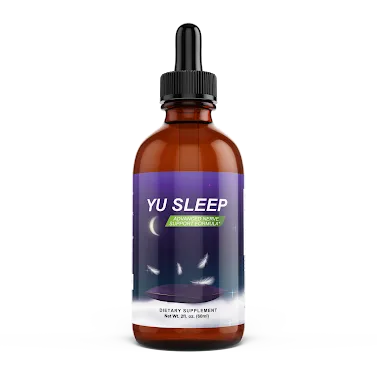
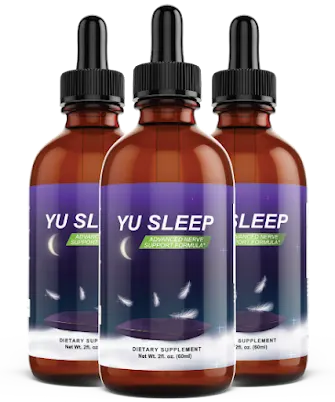
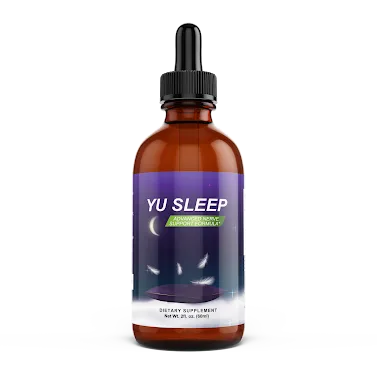
Yu Sleep is formulated with a blend of natural ingredients scientifically recognized for their ability to promote relaxation, ease anxiety, and facilitate a deeper, more consistent sleep cycle. By gently encouraging your body into a state conducive to sleep, Yu Sleep helps you achieve the necessary hours of rest your immune system craves. It’s not about knocking you out, but about supporting your body’s natural sleep mechanisms so you can wake up feeling truly refreshed and ready to face the day with a fortified immune defense.
Each ingredient in Yu Sleep is carefully selected for its synergistic effects, working together to calm the nervous system, reduce sleep latency (the time it takes to fall asleep), and improve overall sleep quality. This means more time in the crucial deep and REM sleep stages where immune system repair and rejuvenation primarily occur. For a comprehensive understanding of how it works and any considerations, you can read more about Yu Sleep side effects.
Key Natural Ingredients in Yu Sleep for Restful Nights
Ashwagandha Root
Role: An adaptogenic herb that helps the body manage stress and anxiety, promoting a sense of calm conducive to sleep. It supports overall well-being, which indirectly benefits immune function by reducing stress-induced immune suppression.
Passion Flower Extract
Role: Known for its calming properties, it helps reduce nervousness and anxiety, making it easier to fall asleep. It may boost GABA levels in the brain, which promotes relaxation.
Magnesium (as Glycinate)
Role: A vital mineral involved in over 300 bodily functions, including nerve and muscle relaxation. Magnesium glycinate is a highly absorbable form known for its gentle, calming effects, helping to prepare the body for sleep and reducing nighttime awakenings.
L-Theanine
Role: An amino acid found in green tea that promotes relaxation without drowsiness. It helps reduce mental and physical stress, fostering a state of calm alertness that transitions smoothly into restful sleep.
GABA (Gamma-Aminobutyric Acid)
Role: A primary inhibitory neurotransmitter in the brain, GABA helps to calm nervous activity and induce relaxation. It reduces brain excitability, making it easier to quiet the mind and fall asleep.
5-HTP (5-Hydroxytryptophan)
Role: A precursor to serotonin, which in turn is a precursor to melatonin, the sleep hormone. 5-HTP helps regulate mood and sleep cycles, contributing to deeper, more consistent sleep patterns.
Melatonin
Role: The body's natural sleep hormone, melatonin helps regulate the sleep-wake cycle (circadian rhythm). Supplementing with melatonin can help signal to the body that it's time to sleep, especially useful for those with irregular schedules or jet lag.
Ready to Experience the Restorative Power of Deep Sleep?
Don't let poor sleep compromise your immune system and overall well-being any longer. Yu Sleep offers a natural, effective path to the quality rest your body needs to heal, rejuvenate, and defend itself.
- ✓ Supports deep, restorative sleep cycles
- ✓ Formulated with 100% natural, scientifically-backed ingredients
- ✓ Helps reduce stress and anxiety for easier sleep
- ✓ Non-habit forming and gentle on your system
- ✓ Backed by a 60-Day Money-Back Guarantee




What Our Customers Say About Their Restorative Sleep
"I used to wake up feeling drained, and it felt like I was constantly catching every bug. Since starting Yu Sleep, my nights are peaceful, and I've noticed a significant improvement in my overall resilience. It's truly a game-changer!"
"Chronic insomnia left me feeling weak and susceptible. Yu Sleep has helped me reclaim my nights. I fall asleep faster, stay asleep longer, and wake up feeling genuinely rested. My energy levels are up, and I feel much healthier."
"I was skeptical about sleep aids, but Yu Sleep is different. It's gentle, natural, and truly effective. My sleep quality has soared, and I feel like my body is finally getting the deep healing rest it needs to stay strong and healthy."
Frequently Asked Questions
Why is sleep so important for my immune system?
+Sleep is a critical period for your immune system to produce and release protective proteins called cytokines. These proteins are essential for fighting infection and inflammation. Without adequate sleep, your body produces fewer of these vital cytokines, making you more susceptible to illnesses and slowing down recovery.
Can poor sleep actually make me sick more often?
+Yes, absolutely. Chronic poor sleep or sleep deprivation significantly weakens your immune response. Studies show that individuals who consistently get less than 7-8 hours of sleep per night are at a much higher risk of catching common colds, flu, and other infections compared to those who get sufficient rest. It impairs your body's ability to create immune memory, making vaccines less effective and recovery slower.
What are common signs that my sleep is impacting my immune health?
+Beyond feeling tired, signs include frequent illness (more colds, longer recovery), persistent fatigue even after rest, increased inflammation (e.g., joint pain, skin issues), slower wound healing, and a general feeling of being run down. If you struggle with chronic insomnia, these symptoms are often more pronounced.
How much sleep do I need to support a healthy immune system?
+For most adults, 7 to 9 hours of quality sleep per night is recommended to optimize immune function and overall health. Children and teenagers typically require even more. Consistency in your sleep schedule, even on weekends, also plays a significant role in maintaining a robust immune system.
Are there natural ways to improve sleep and boost immunity?
+Yes, adopting a consistent sleep schedule, creating a dark and cool sleep environment, avoiding caffeine and heavy meals before bed, exercising regularly (but not too close to bedtime), and practicing relaxation techniques can all help. Natural supplements like Yu Sleep can also support restful sleep, which in turn benefits your immune system. For more options, explore natural-sleep-aid-chronic-insomnia.html.
Can supplements like Yu Sleep help my immune system by improving my sleep?
+While Yu Sleep is designed to promote relaxation and deep, restorative sleep, it supports your immune system indirectly by addressing poor sleep quality. By helping you achieve the consistent, high-quality rest your body needs, it allows your immune system to function optimally, producing vital immune cells and proteins. It's not a direct immune booster, but a powerful sleep aid that fortifies your body's natural healing processes. For details on any potential effects, you can review yu-sleep-side-effects.html.
Related Articles