Are you tired of restless nights and the constant worry of sleep apnea?
Sleep apnea is more than just loud snoring; it's a serious condition that can profoundly impact your health and quality of life. The recurring pauses in breathing during sleep can lead to chronic fatigue, impaired cognitive function, and an increased risk of severe health issues like heart disease and stroke. Many individuals diagnosed with sleep apnea or experiencing its symptoms often feel trapped by conventional treatments, seeking alternatives that offer relief without discomfort or dependency.
If you're searching for ways to complement your current treatment or explore initial avenues for relief, you're not alone. This comprehensive guide delves into a range of sleep apnea natural remedies and treatment options, offering insights into how lifestyle adjustments, dietary changes, and targeted supplements can help you breathe easier and achieve the restorative sleep you deserve. We'll explore evidence-based strategies to improve your sleep quality and overall well-being.
Understanding Sleep Apnea: More Than Just Snoring
Sleep apnea is a chronic condition characterized by repeated interruptions in breathing during sleep. These pauses, which can last from a few seconds to minutes, occur multiple times per hour, leading to fragmented sleep and reduced oxygen levels in the blood. While often associated with loud snoring, its implications extend far beyond a noisy night, impacting overall health and daily function.
There are three main types of sleep apnea:
- Obstructive Sleep Apnea (OSA): The most common type, occurring when the throat muscles relax and block the airway.
- Central Sleep Apnea (CSA): Less common, where the brain fails to send proper signals to the muscles that control breathing.
- Mixed Sleep Apnea: A combination of both OSA and CSA.
Untreated sleep apnea can have severe long-term consequences. It significantly increases the risk of high blood pressure, heart attack, stroke, diabetes, and even traffic accidents due to daytime drowsiness. It can also worsen existing conditions and severely diminish one's quality of life. Therefore, exploring effective sleep apnea natural remedies and conventional treatments is not just about getting a good night's sleep, but about safeguarding your long-term health.
Conventional Sleep Apnea Treatments: A Brief Overview
Before diving into natural approaches, it's essential to understand the standard medical interventions for sleep apnea. These treatments are often highly effective, especially for moderate to severe cases, and are typically recommended by sleep specialists.
The most common and effective conventional treatment for Obstructive Sleep Apnea (OSA) is Continuous Positive Airway Pressure (CPAP) therapy. A CPAP machine delivers a constant stream of air through a mask worn over the nose or mouth during sleep, keeping the airway open and preventing breathing pauses. While highly effective, many patients find CPAP uncomfortable, noisy, or restrictive, leading to low adherence rates. This discomfort is often a driving factor for individuals to seek alternative or complementary sleep apnea treatment options.
Other conventional treatments include:
- Oral Appliances: Custom-fitted dental devices that reposition the jaw and tongue to keep the airway open. These are often used for mild to moderate OSA or for patients who cannot tolerate CPAP.
- Surgery: Various surgical procedures can be performed to remove excess tissue in the throat, reposition the jaw, or stimulate nerves to keep the airway open. Surgery is usually considered a last resort for specific anatomical issues.
- Lifestyle Modifications (Medically Advised): Doctors often recommend lifestyle changes such as weight loss, avoiding alcohol and sedatives, and changing sleep positions, which align with many natural remedies.
💡 Key Takeaway
Sleep apnea is a serious health condition requiring proper diagnosis. While conventional treatments like CPAP are highly effective, integrating natural remedies and lifestyle changes can significantly improve symptoms, enhance treatment adherence, and foster overall better sleep quality and health, reducing the impact of conditions like insomnia and poor sleep quality.
Empowering Your Sleep: Natural Remedies and Lifestyle Adjustments
For those exploring alternatives or seeking to enhance their current sleep apnea management, a holistic approach focusing on natural remedies and lifestyle adjustments can be incredibly beneficial. These strategies aim to address the root causes of airway obstruction, improve respiratory function, and promote deeper, more consistent sleep, thereby mitigating the effects of insomnia and poor sleep quality.
One of the most impactful natural remedies is weight management. Excess weight, particularly around the neck, can contribute to airway narrowing. Even a modest weight loss can significantly reduce the severity of sleep apnea symptoms. Regular exercise, combined with a balanced diet rich in fruits, vegetables, and lean proteins, not only aids in weight loss but also improves muscle tone, including those in the throat, which can help keep the airway open. For more insights on how diet impacts sleep, you might find this article on sleep support remedies that work helpful.
Positional therapy is another simple yet effective strategy. Sleeping on your back often allows the tongue and soft palate to collapse into the airway. Training yourself to sleep on your side can dramatically reduce snoring and apneas. Special pillows or devices can help maintain side sleeping positions throughout the night. Avoiding alcohol and sedatives, especially in the hours before bedtime, is crucial. These substances relax throat muscles, exacerbating airway obstruction and deepening the severity of breathing pauses.
Improving nasal patency can also make a difference. Nasal congestion forces mouth breathing, which can worsen sleep apnea. Using nasal strips, saline rinses, or a humidifier in your bedroom can help keep nasal passages clear. A humidifier adds moisture to the air, which can soothe irritated airways and reduce congestion, facilitating easier breathing. Creating an optimal sleep environment is key to addressing poor sleep quality.
Certain throat and tongue exercises, often referred to as oropharyngeal exercises, have shown promise in strengthening the muscles of the upper airway, potentially reducing the severity of OSA. These exercises, which involve movements of the tongue, soft palate, and throat, can be learned from a speech therapist or through guided programs. Consistent practice is essential for noticeable results.
Finally, practicing excellent sleep hygiene is foundational for anyone struggling with sleep, including those with sleep apnea. This includes maintaining a consistent sleep schedule, ensuring your bedroom is dark, quiet, and cool, and avoiding screens before bed. Creating a relaxing bedtime routine, such as taking a warm bath or reading a book, signals to your body that it's time to wind down. These habits, though seemingly minor, collectively contribute to a significant improvement in overall sleep quality and insomnia relief, making them powerful natural tools in your sleep apnea management arsenal.
Key Benefits of Integrating Natural Approaches for Sleep Apnea
Embracing natural remedies and lifestyle changes offers a multitude of advantages, not just for sleep apnea symptoms but for overall health and well-being. These benefits often complement conventional treatments, leading to a more comprehensive and sustainable path to restorative sleep.
Reduced Reliance on Invasive Methods
Natural remedies can help mild to moderate cases of sleep apnea without the need for cumbersome devices like CPAP or invasive surgeries. For those using CPAP, these methods can potentially reduce pressure settings or improve comfort, leading to better adherence. This focus on internal adjustments empowers individuals.
Improved Overall Health
Many natural remedies, such as weight loss, dietary improvements, and regular exercise, contribute to better cardiovascular health, blood sugar regulation, and energy levels. Addressing sleep apnea through these means also improves general physical and mental vitality, offering benefits beyond just sleep.
Fewer Side Effects
Unlike some medications or medical devices, natural interventions generally come with fewer or no adverse side effects. This makes them a more comfortable and sustainable option for long-term management, especially for individuals sensitive to conventional treatments.
Holistic Sleep Improvement
Natural approaches don't just target breathing; they foster better sleep hygiene, reduce stress, and promote relaxation. This holistic improvement in sleep quality directly tackles underlying insomnia and poor sleep quality, ensuring you wake up feeling refreshed and truly rested, regardless of apnea severity.
Enhanced Energy and Mood
By achieving more consistent and deeper sleep, individuals often experience a significant boost in daytime energy, improved mood, and enhanced cognitive function. This reduction in chronic fatigue can transform daily life, allowing for greater productivity and enjoyment.
Personalized and Empowering
Natural remedies allow for a more personalized approach to sleep apnea management. Individuals can experiment with various strategies to find what works best for their body and lifestyle, fostering a sense of control and empowerment over their health journey. This adaptability is key for long-term success.
Addressing Underlying Factors for Better Sleep Health
Beyond direct remedies, several lifestyle factors significantly influence sleep quality and can exacerbate sleep apnea symptoms. By addressing these foundational elements, you can create a more conducive environment for restorative sleep and improve your overall health.
Regular Exercise
Engaging in moderate physical activity for at least 30 minutes most days of the week can improve muscle tone, including those in the throat, and aid in weight management. Avoid intense workouts too close to bedtime, as they can be stimulating.
Balanced Nutrition
A diet rich in whole foods, lean proteins, and healthy fats supports overall health and can help maintain a healthy weight. Limiting processed foods, excessive sugar, and heavy meals before bed can prevent digestive discomfort that interferes with sleep. Consider supplements for sleep quality improvement.
Stress Management
Chronic stress can disrupt sleep patterns and worsen conditions like insomnia. Incorporate stress-reducing techniques such as meditation, yoga, deep breathing exercises, or spending time in nature into your daily routine to calm your mind before sleep.
Optimal Sleep Environment
Ensure your bedroom is a sanctuary for sleep. Keep it dark, quiet, and cool (ideally between 60-67°F or 15-19°C). Block out light with blackout curtains, use earplugs or a white noise machine, and invest in a comfortable mattress and pillows. Remove electronic devices that emit blue light.
Hydration
Staying adequately hydrated throughout the day is important for overall bodily functions. However, avoid excessive fluid intake close to bedtime to prevent frequent nighttime awakenings for restroom visits. Prioritize water over sugary or caffeinated drinks.
Regular Medical Check-ups
Maintain regular contact with your healthcare provider to monitor your sleep apnea and overall health. They can provide guidance, adjust treatments, and ensure any underlying medical conditions are properly managed, which is vital for effective sleep management.
Natural Ingredients and Supplements for Sleep Support
While no supplement can cure sleep apnea, certain natural ingredients are widely recognized for their ability to promote relaxation, improve sleep quality, and support overall nervous system health, which can be immensely beneficial for individuals dealing with insomnia and poor sleep quality often associated with sleep apnea. Always consult your doctor before adding new supplements to your regimen.
Magnesium
Role: Essential mineral involved in over 300 biochemical reactions in the body, including those that regulate sleep. It helps activate the parasympathetic nervous system, responsible for calming the body and mind. Magnesium can reduce muscle tension and promote relaxation. Many people are deficient in magnesium, making supplementation beneficial for sleep quality.
L-Theanine
Role: An amino acid found primarily in green tea, known for its calming effects. L-Theanine can cross the blood-brain barrier to increase alpha brain waves, promoting a state of relaxed alertness without sedation. It helps reduce stress and anxiety, making it easier to fall asleep and improving sleep quality. It doesn't cause drowsiness but helps prepare the mind for rest.
Valerian Root
Role: A popular herbal remedy traditionally used to promote sleep and reduce anxiety. It is believed to increase levels of gamma-aminobutyric acid (GABA) in the brain, a neurotransmitter that helps regulate nerve impulses and calm the central nervous system. Valerian root can help individuals fall asleep faster and experience deeper sleep.
Chamomile Extract
Role: Well-known for its mild sedative properties, chamomile contains an antioxidant called apigenin, which binds to specific receptors in the brain that decrease anxiety and initiate sleep. Often consumed as a tea, it can also be found in supplement form to help calm nerves and induce relaxation, aiding in the transition to sleep.
Melatonin
Role: The hormone primarily responsible for regulating the body's sleep-wake cycle (circadian rhythm). Supplementing with melatonin can be useful for adjusting sleep patterns, especially for those with irregular schedules or mild insomnia. It signals to the body that it's time to sleep, helping to initiate and maintain sleep.
5-HTP (5-Hydroxytryptophan)
Role: A precursor to serotonin, a neurotransmitter that plays a key role in mood, appetite, and sleep. 5-HTP can increase serotonin levels, which then converts to melatonin, thus supporting a healthy sleep cycle. It can improve sleep quality and reduce the time it takes to fall asleep.
GABA (Gamma-Aminobutyric Acid)
Role: A primary inhibitory neurotransmitter in the brain, meaning it slows down brain activity. GABA helps promote relaxation and reduces nervous tension, making it easier to unwind and fall asleep. Supplementing with GABA can help calm an overactive mind, contributing to more restful sleep.
Lemon Balm Extract
Role: A member of the mint family, lemon balm has been used for centuries to reduce stress and anxiety, improve sleep, and ease indigestion. It's believed to act on GABA receptors, providing a mild sedative effect that can help calm the nervous system and promote a sense of tranquility, conducive to sleep.
Passionflower
Role: Another herbal remedy known for its calming and sleep-inducing properties. Passionflower is thought to increase GABA levels in the brain, leading to reduced brain activity and a more relaxed state. It's often used to alleviate anxiety and insomnia, helping individuals achieve deeper and more uninterrupted sleep.
Vitamin B6
Role: Crucial for the production of neurotransmitters like serotonin and melatonin, both essential for sleep regulation. A deficiency in Vitamin B6 can impair these processes, leading to sleep disturbances. Supplementation ensures the body has the necessary building blocks for healthy sleep hormones.
Glycine
Role: An amino acid that acts as an inhibitory neurotransmitter in the brain. Glycine has been shown to improve sleep quality by lowering body temperature, reducing the time it takes to fall asleep, and decreasing daytime sleepiness. It promotes a feeling of being refreshed upon waking.
Ashwagandha
Role: An adaptogenic herb widely used in Ayurvedic medicine to help the body manage stress. Ashwagandha can reduce cortisol levels, promoting a sense of calm and making it easier to transition into sleep. It doesn't directly induce sleep but supports the body's natural sleep processes by reducing stress and anxiety.
These natural ingredients, when combined thoughtfully, can create a powerful synergy to support your body's natural sleep mechanisms. Many individuals find that a blend of these compounds helps them achieve more consistent, deeper sleep, which is invaluable when managing conditions like sleep apnea and the associated natural sleep support relief remedies.
Experience the Difference with Yu Sleep: Your Natural Path to Restorative Nights
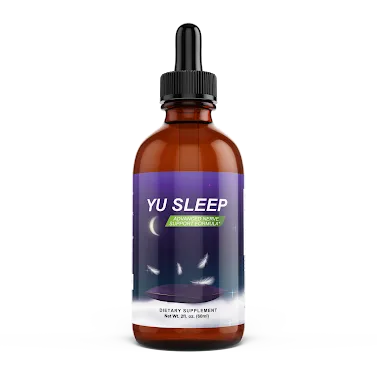
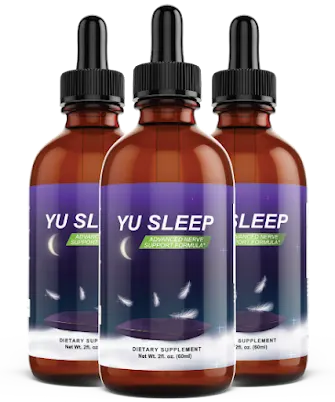
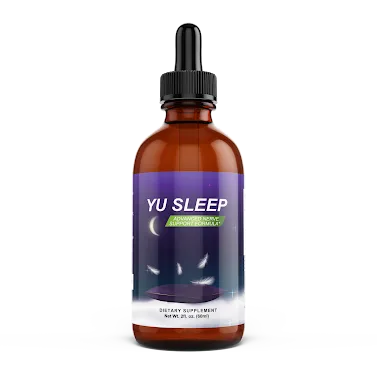
If you're seeking a natural, comprehensive solution to support your body's ability to achieve deep, restorative sleep, Yu Sleep offers a scientifically formulated blend of key ingredients designed to promote tranquility and optimize your sleep cycle. While not a direct treatment for sleep apnea, Yu Sleep focuses on improving overall sleep quality, which is paramount for anyone struggling with sleep disturbances, including those exacerbated by sleep apnea.
- ✓ Supports natural sleep cycles for deeper rest
- ✓ Promotes relaxation and reduces nighttime awakenings
- ✓ Aids in faster sleep onset and sustained sleep
- ✓ Utilizes a powerful blend of natural, non-habit-forming ingredients
- ✓ Manufactured in the USA in a GMP-certified facility




What Our Customers Say About Yu Sleep
"I've struggled with restless nights and waking up tired for years, often feeling like I just couldn't get enough air. While I know Yu Sleep isn't for apnea, focusing on improving my overall sleep quality has been a game-changer. I fall asleep faster and wake up feeling genuinely refreshed. It's made a huge difference to my energy levels during the day."
"My doctor suggested I look into natural ways to support my sleep alongside my CPAP. Yu Sleep was recommended by a friend, and I decided to try it. I'm so glad I did! It helps me relax before bed, and I feel like the quality of my sleep has improved significantly. I'm less groggy in the mornings, and my overall mood is better."
"Chronic poor sleep and insomnia have been a constant battle. I've tried many things, but Yu Sleep stands out. The blend of natural ingredients really works for me to calm my mind. I'm not waking up as frequently, and I definitely feel like I'm getting deeper sleep. It's a fantastic complement to my healthy lifestyle."
Frequently Asked Questions
What is sleep apnea and why is it serious?
+Sleep apnea is a potentially serious sleep disorder where breathing repeatedly stops and starts. This can lead to fragmented sleep, oxygen deprivation, and increased risk of high blood pressure, heart attack, stroke, and diabetes. It's crucial to seek diagnosis and treatment to mitigate these health risks and improve overall quality of life.
Can natural remedies truly help with sleep apnea?
+While natural remedies typically cannot cure severe sleep apnea, they can significantly alleviate symptoms, improve sleep quality, and complement conventional treatments. Lifestyle changes, dietary adjustments, and certain supplements can reduce snoring, enhance respiratory function, and promote deeper, more restorative sleep, which is beneficial for managing the condition.
When should I consult a doctor for sleep apnea?
+You should consult a doctor if you experience persistent snoring, daytime fatigue, observed breathing pauses during sleep, morning headaches, or difficulty concentrating. A proper diagnosis from a sleep specialist is essential to determine the type and severity of sleep apnea and to recommend the most appropriate treatment plan, which may include conventional and natural approaches.
Are there any risks associated with natural sleep apnea treatments?
+Most natural remedies, especially lifestyle adjustments, are low-risk. However, some herbal supplements can interact with medications or have side effects. It's vital to discuss any natural remedies or supplements with your doctor before starting them, particularly if you have pre-existing health conditions or are taking prescription drugs. This ensures safety and efficacy.
How does Yu Sleep support better sleep for those with sleep apnea concerns?
+Yu Sleep is formulated with natural ingredients known to promote relaxation, reduce stress, and improve overall sleep quality. While it is not a direct treatment for sleep apnea, by helping you fall asleep faster, stay asleep longer, and experience deeper, more restorative sleep, it can indirectly support your body's ability to cope with sleep disruptions and enhance your well-being. It is designed to address underlying insomnia and poor sleep quality, which can be exacerbated by sleep apnea.
Is Yu Sleep a substitute for CPAP therapy or medical treatment?
+No, Yu Sleep is not a substitute for CPAP therapy, oral appliances, or other prescribed medical treatments for sleep apnea. It is a natural dietary supplement designed to support healthy sleep patterns and improve overall sleep quality. If you have been diagnosed with sleep apnea, it is crucial to continue following your doctor's recommendations and use Yu Sleep as a complementary approach, if approved by your healthcare provider.
Related Articles