Are You Tired of Tossing and Turning, Yearning for Deeper, More Restful Sleep?
In our fast-paced world, quality sleep often feels like an elusive dream. Millions of Americans struggle with insomnia and poor sleep quality, leading to a cascade of negative effects on physical health, mental well-being, and daily productivity. If you've been battling restless nights, feeling groggy through your days, and wondering if truly restorative sleep is even possible for you, you're not alone.
This comprehensive guide, backed by sleep science and expert insights, is designed to empower you with practical, actionable lifestyle tips to reclaim your nights. We'll explore how simple yet profound changes to your daily routine, environment, and mindset can pave the way for consistently deeper, more rejuvenating sleep, helping you wake up feeling refreshed and ready to conquer your day.

Understanding Insomnia and Poor Sleep Quality
Before diving into solutions, it's crucial to understand what constitutes insomnia and poor sleep quality, and how they impact your overall health.
Insomnia is more than just an occasional restless night; it's a persistent difficulty with sleep initiation, duration, consolidation, or quality that occurs despite adequate opportunity and circumstances for sleep. It can manifest as trouble falling asleep (sleep-onset insomnia), staying asleep (sleep-maintenance insomnia), or waking up too early and being unable to return to sleep (early morning awakening insomnia). The consequences of chronic insomnia are far-reaching, affecting everything from your mood and cognitive function to your immune system and metabolic health.
Poor sleep quality, even if you're getting enough hours, means your sleep isn't restorative. This can be due to frequent awakenings, sleep disorders like sleep apnea, or simply not spending enough time in the crucial deep and REM sleep stages. Both insomnia and poor sleep quality contribute to daytime fatigue, irritability, difficulty concentrating, and an increased risk of accidents and chronic diseases. Recognizing these issues is the first step towards seeking effective solutions and improving your quality of life.
💡 Key Takeaway
Insomnia and poor sleep quality are prevalent issues with significant health consequences. Addressing them requires a holistic approach, starting with understanding their nature and impact on your daily life.
The Pillars of Restorative Sleep: Essential Lifestyle Adjustments
Achieving consistent, high-quality sleep often doesn't require drastic measures, but rather a commitment to foundational lifestyle changes that support your body's natural sleep-wake cycle.
Master Your Sleep Schedule
Consistency is paramount. Go to bed and wake up at the same time every day, even on weekends. This helps regulate your body's circadian rhythm, the internal clock that signals when to be awake and when to sleep. A regular schedule reinforces this rhythm, making it easier to fall asleep and wake up naturally feeling refreshed.
Optimize Your Sleep Environment
Your bedroom should be a sanctuary for sleep. Ensure it's dark, quiet, and cool (ideally between 60-67°F or 15-19°C). Block out light with blackout curtains, minimize noise with earplugs or a white noise machine, and invest in a comfortable mattress and pillows. A conducive environment signals to your brain that it's time to rest.
Develop a Relaxing Bedtime Routine
Signal to your body that it's time to wind down with a consistent pre-sleep ritual. This could include a warm bath, reading a book (not on a screen), gentle stretching, or listening to calming music. Avoid stimulating activities like intense exercise, heavy conversations, or work-related tasks in the hour leading up to bed.
Mind Your Diet and Hydration
What you consume significantly impacts sleep. Avoid caffeine and nicotine, especially in the afternoon and evening, as they are stimulants. Limit alcohol before bed; while it may initially induce sleep, it disrupts sleep cycles later in the night. Opt for lighter dinners and avoid heavy, fatty, or spicy foods close to bedtime. Staying hydrated throughout the day is good, but minimize liquids right before bed to prevent nighttime bathroom trips.
Embrace Regular Physical Activity
Moderate exercise during the day can greatly improve sleep quality. It helps reduce stress and can deepen sleep. However, timing is key: avoid vigorous workouts too close to bedtime, as the stimulating effects can make it harder to fall asleep. Aim for morning or early afternoon exercise sessions for the best sleep benefits.
Manage Stress and Anxiety
Stress is a primary culprit for insomnia. Incorporate stress-reduction techniques into your daily life, such as meditation, deep breathing exercises, yoga, or journaling. Addressing underlying worries during the day can prevent them from spiraling into anxious thoughts that keep you awake at night. Consider cognitive behavioral therapy for insomnia (CBT-I) if anxiety is a chronic issue.
The Role of Nutrition and Supplements in Deeper Sleep
Beyond avoiding stimulants, certain dietary choices and targeted supplements can support your body's natural sleep processes.
A balanced diet rich in whole foods is fundamental for overall health, including sleep. Foods containing tryptophan (like turkey, chicken, nuts, and seeds), a precursor to serotonin and melatonin, can be beneficial. Complex carbohydrates like whole grains help make tryptophan more available to the brain. Magnesium-rich foods (leafy greens, almonds, avocados) are also important, as magnesium plays a role in muscle relaxation and nervous system regulation, both crucial for sleep. You can learn more about specific nutrients in our article on vitamins for better sleep.
While a healthy diet is paramount, sometimes our bodies need a little extra support, especially when dealing with persistent poor sleep quality or occasional insomnia. This is where carefully chosen supplements can come into play. Many people find relief with natural ingredients that support relaxation and the body's sleep cycle.
For example, ingredients like Magnesium, L-Theanine, GABA, and various herbal extracts have been studied for their potential to promote calmness and improve sleep onset and quality. These aren't meant to be "knock-out" drugs but rather work synergistically to create an optimal environment for natural sleep.
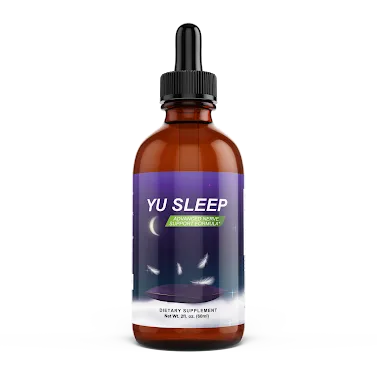
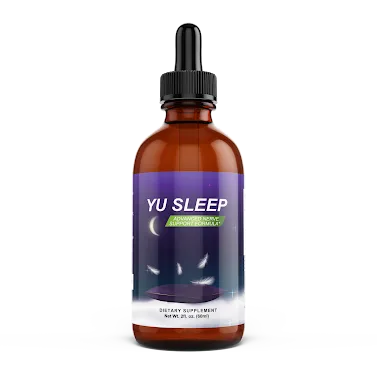
When considering supplements, it's vital to choose high-quality products from reputable sources. Always consult your doctor before adding new supplements to your regimen, especially if you have underlying health conditions or are taking other medications. Some people have found a comprehensive blend, like that found in Yu Sleep, to be helpful in providing targeted support for more restful nights.
Supporting Natural Sleep with Key Ingredients
A carefully formulated sleep support supplement can provide targeted nutrients and botanicals to assist your body's natural relaxation and sleep mechanisms. Here are some ingredients often found in effective sleep aids:
Magnesium
Role: A crucial mineral involved in over 300 biochemical reactions in the body, including those that regulate sleep. It helps activate the parasympathetic nervous system, responsible for calming and relaxing the body, and contributes to healthy GABA levels.
Dosage: Typically 200-400mg.
L-Theanine
Role: An amino acid found primarily in green tea, known for its ability to promote relaxation without drowsiness. It increases alpha brain waves, associated with a state of "wakeful relaxation," and helps reduce anxiety.
Dosage: Typically 100-200mg.
GABA (Gamma-Aminobutyric Acid)
Role: The primary inhibitory neurotransmitter in the brain, GABA works to reduce neuronal excitability throughout the nervous system. By calming nerve activity, it helps the brain transition into a state of rest and sleep.
Dosage: Typically 100-500mg.
Chamomile Extract
Role: A traditional herbal remedy for anxiety and insomnia. It contains apigenin, an antioxidant that binds to specific receptors in the brain that may decrease anxiety and initiate sleep.
Dosage: Typically 200-500mg of extract.
Lemon Balm Extract
Role: A member of the mint family, lemon balm is often used to improve mood and cognitive function, but it also has calming properties. It's believed to help reduce stress and anxiety, contributing to better sleep.
Dosage: Typically 300-600mg of extract.
Passion Flower Extract
Role: Used historically to treat anxiety and insomnia. Research suggests it may work by increasing levels of GABA in the brain, similar to how anti-anxiety medications work, leading to a calming effect.
Dosage: Typically 200-400mg of extract.
Hops Extract
Role: Often combined with valerian root, hops have mild sedative properties that can help reduce anxiety and promote sleep. Its bitter acids contribute to its calming effects.
Dosage: Typically 100-200mg of extract.
Beyond the Bedroom: Daytime Habits for Better Sleep
Your sleep quality isn't just determined by what happens at night; your daytime choices play a significant role in preparing your body for rest.
One of the most powerful tools for regulating your circadian rhythm is exposure to natural light. Try to get at least 15-30 minutes of sunlight exposure, especially in the morning. This helps signal to your body that it's daytime, boosting alertness and setting your internal clock. Conversely, minimize bright light exposure in the evenings, particularly blue light from screens, which can suppress melatonin production. Consider using blue-light-blocking glasses or activating "night mode" on your devices.
Naps can be a double-edged sword. While a short power nap (20-30 minutes) can be refreshing, longer or late-afternoon naps can interfere with nighttime sleep. If you must nap, keep it brief and schedule it for early afternoon. For those struggling with insomnia, it's often recommended to avoid naps altogether to build up sleep drive for the night.
Limiting fluid intake before bed is another practical tip. While staying hydrated is important, drinking too much water or other beverages in the hours leading up to sleep can lead to frequent nighttime awakenings for bathroom breaks, disrupting your sleep cycle. Try to finish your last drink about 2-3 hours before you plan to go to bed.
Finally, cultivating a mindset of sleep positivity can make a difference. Instead of dreading bedtime, frame it as an opportunity for restoration and healing. Practice mindfulness and gratitude to calm your mind before sleep. If you find your mind racing, try journaling your thoughts earlier in the evening to "download" your worries before bed. This holistic approach, integrating both nighttime routines and daytime habits, creates a robust foundation for truly restorative sleep.
Ready to Experience the Difference? Try Yu Sleep Today!
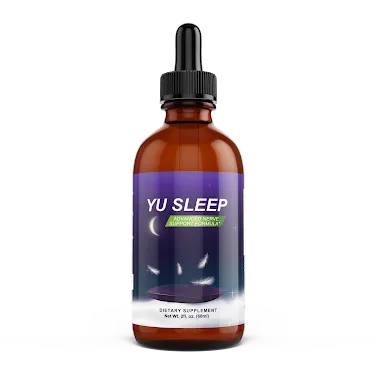
If you've tried various lifestyle changes and still find yourself struggling with consistent, deep sleep, Yu Sleep offers a natural, science-backed solution. Our formula is designed to gently guide your body into a state of relaxation, promoting deeper and more restful nights.
- ✓ Supports natural sleep cycle
- ✓ Promotes relaxation and reduces anxiety
- ✓ Non-habit forming formula
- ✓ Made with premium, natural ingredients
- ✓ Backed by a 60-day money-back guarantee




Real People, Real Results: Stories of Restored Sleep
"For years, I've struggled with waking up multiple times a night. After incorporating these lifestyle changes and adding Yu Sleep, I'm finally sleeping through the night and waking up energized. It's a game-changer!"
"I was skeptical, but the combination of a consistent routine and Yu Sleep has truly transformed my sleep. I fall asleep faster and feel like my sleep is actually restorative now. Highly recommend!"
"My doctor suggested trying natural methods for my insomnia, and this article was a great start. Yu Sleep has been a fantastic addition; I haven't slept this well in years. No grogginess, just deep sleep."
Frequently Asked Questions
What is the most effective lifestyle change for better sleep?
+Establishing a consistent sleep schedule, even on weekends, is arguably the most impactful lifestyle change. It helps regulate your body's natural circadian rhythm, making it easier to fall asleep and wake up refreshed.
Can diet really affect my sleep quality?
+Absolutely. What you eat and drink, especially close to bedtime, can significantly impact sleep. Avoiding heavy meals, caffeine, and alcohol in the evening, and opting for sleep-promoting foods like lean protein, whole grains, and certain fruits, can make a difference.
How important is my sleep environment?
+Your sleep environment plays a crucial role. A dark, quiet, cool, and comfortable bedroom signals to your body that it's time to rest. Investing in blackout curtains, earplugs, and a comfortable mattress can greatly enhance sleep quality.
Is it bad to use electronic devices before bed?
+Yes, electronic devices emit blue light that can suppress melatonin production, the hormone that regulates sleep. It's highly recommended to stop using screens (phones, tablets, computers, TVs) at least 1-2 hours before your desired bedtime to allow your body to naturally prepare for sleep.
When should I consider a sleep supplement like Yu Sleep?
+Sleep supplements can be considered as part of a comprehensive sleep strategy, especially if lifestyle changes alone aren't fully resolving your issues. They are best used to support natural sleep processes, not replace them. Always consult with a healthcare professional before starting any new supplement.
What are common mistakes people make when trying to improve sleep?
+Common mistakes include inconsistent sleep schedules, ignoring sleep hygiene, over-relying on caffeine to compensate for poor sleep, using alcohol as a sleep aid (it disrupts sleep cycles), and not addressing underlying stress or medical conditions that might be contributing to sleep problems.
Related Articles