Are you truly getting the restorative sleep your body and mind desperately need?
Many of us focus solely on the quantity of sleep, aiming for the recommended 7-9 hours. However, the quality of your sleep, particularly the time spent in crucial REM and deep sleep stages, is arguably even more vital for your overall health, cognitive function, and emotional well-being.
If you're constantly feeling fatigued, struggling with concentration, or battling chronic insomnia, it's highly likely that your sleep architecture is compromised. Understanding and optimizing your sleep stages is the key to unlocking truly regenerative rest and transforming your daily life.
The Intricate Architecture of Your Sleep Cycle
Sleep is not a monolithic state; it's a dynamic, cyclical process divided into distinct stages, each with unique physiological functions. A healthy night's sleep involves cycling through these stages multiple times, with each cycle lasting approximately 90-120 minutes.
Broadly, sleep is categorized into two main types: Non-Rapid Eye Movement (NREM) sleep, which comprises three substages, and Rapid Eye Movement (REM) sleep. Understanding these stages is fundamental to appreciating why simply "getting enough hours" isn't always enough to feel truly rested and restored, especially for those grappling with insomnia and poor sleep quality.
Each stage plays a critical role in different aspects of our physical and mental health. Disruptions in any of these stages, often a hallmark of sleep disorders like insomnia, can have profound and lasting negative impacts on our daily lives, from cognitive function to immune response.
NREM Sleep: The Foundation of Physical Restoration
NREM sleep is the initial phase of your sleep cycle, accounting for about 75% of your total sleep time. It progresses from light to deep sleep, preparing your body and mind for the profound restorative processes ahead.
NREM Stage 1 (N1): The Drowsy Transition. This is the lightest stage of sleep, often lasting only a few minutes. Your brain waves begin to slow, muscles relax, and you can be easily awakened. It's the bridge between wakefulness and sleep, where you might experience sudden muscle jerks or a sensation of falling. While brief, it's the necessary first step into the deeper realms of sleep.
NREM Stage 2 (N2): Settling into Sleep. As you transition into N2, your body temperature drops, heart rate slows, and brain waves become even slower, interspersed with bursts of rapid, rhythmic brain activity known as "sleep spindles" and K-complexes. These activities are thought to protect sleep from external disturbances and play a role in memory consolidation. You spend about 50% of your total sleep in this stage, making it a crucial preparatory phase for the deepest rest.
NREM Stage 3 (N3): The Powerhouse of Deep Sleep. This is the most profound and restorative stage of sleep, often referred to as "deep sleep" or slow-wave sleep. During N3, your brain waves are at their slowest (delta waves), and it's incredibly difficult to wake someone from this stage. This is where the magic of physical restoration truly happens.
Adequate deep sleep is paramount for:
- Physical Repair and Growth: Your body releases human growth hormone (HGH), crucial for cellular repair, muscle growth, and tissue regeneration.
- Immune System Strengthening: Deep sleep boosts your immune system, helping your body fight off infections and inflammation.
- Energy Restoration: It's when your body recharges its energy stores, leaving you feeling physically refreshed and invigorated.
- Metabolic Regulation: Deep sleep plays a role in regulating blood sugar and appetite hormones, impacting your overall metabolism.
💡 Key Takeaway
Deep sleep (NREM Stage 3) is the bedrock of physical restoration, vital for cellular repair, immune function, and energy replenishment. Without enough deep sleep, your body cannot fully recover, leading to persistent fatigue and compromised health.
Why Deep Sleep is Non-Negotiable for Your Well-being
The benefits of deep sleep extend far beyond simply feeling rested. It's a fundamental pillar of health, impacting everything from your physical resilience to your mental sharpness.
Boosts Physical Recovery
During deep sleep, your body goes into overdrive repairing itself. Muscles are rebuilt, tissues are regenerated, and vital proteins are synthesized. This is particularly important for athletes or anyone recovering from physical exertion or injury. Without sufficient deep sleep, physical recovery is severely hampered, leading to chronic soreness and reduced performance.
Fortifies Your Immune System
Research consistently shows a strong link between deep sleep and a robust immune system. It's during this stage that your body produces and releases cytokines, proteins that help fight infection and inflammation. Chronic deprivation of deep sleep makes you more susceptible to illnesses, from common colds to more serious infections, underscoring its role in maintaining health.
Enhances Cognitive Function
While often associated with REM sleep, deep sleep also plays a crucial role in cognitive processes, particularly memory consolidation and learning. It helps transfer memories from short-term to long-term storage, strengthening neural connections. A lack of deep sleep can manifest as difficulty concentrating, impaired decision-making, and a general mental fog.
Regulates Hormones and Metabolism
Deep sleep is instrumental in balancing key hormones. It regulates ghrelin and leptin, hormones that control appetite, helping prevent overeating and weight gain. It also impacts insulin sensitivity, reducing the risk of type 2 diabetes. Disruptions in deep sleep can throw these delicate hormonal balances into disarray, affecting overall metabolic health.
REM Sleep: The Mind's Renewal Zone
Following the NREM stages, you transition into Rapid Eye Movement (REM) sleep, a fascinating and critically important stage for your mental and emotional health. REM sleep typically occurs about 90 minutes after falling asleep and recurs several times throughout the night, with each REM period lengthening as the night progresses.
During REM sleep, your brain activity levels are remarkably similar to when you're awake, yet your muscles are temporarily paralyzed (atonia) to prevent you from acting out your dreams. This is the stage where most dreaming occurs, characterized by rapid eye movements, increased heart rate, and irregular breathing.
The importance of REM sleep cannot be overstated for cognitive and emotional well-being:
- Memory Consolidation: REM sleep is crucial for processing and consolidating new memories, particularly procedural and emotional memories. It helps integrate new information with existing knowledge, strengthening learning.
- Emotional Regulation: This stage plays a significant role in processing emotions and traumatic experiences, helping to reduce their emotional charge. Adequate REM sleep can improve mood stability and resilience to stress.
- Brain Development: Especially in infants, REM sleep is vital for brain development and maturation. Even in adults, it contributes to brain plasticity and neurogenesis.
- Problem-Solving and Creativity: The unique brain activity during REM sleep is thought to foster creative problem-solving and insights, as your brain makes novel connections between disparate ideas.
Signs You Might Be Lacking Quality REM or Deep Sleep
Persistent Daytime Fatigue
Even if you're spending enough hours in bed, if you wake up feeling unrefreshed, groggy, or struggle with energy levels throughout the day, it's a strong indicator that you're not getting enough restorative deep and REM sleep. This isn't just about feeling tired; it's a profound lack of energy that impacts all activities.
Cognitive Impairment
Difficulty concentrating, impaired memory (especially recent events), slower processing speed, and trouble making decisions are classic signs of insufficient deep and REM sleep. Your brain needs these stages to "clean house" and consolidate information, and without them, mental clarity suffers greatly.
Mood Swings & Irritability
REM sleep is crucial for emotional regulation. A deficit can lead to increased irritability, anxiety, heightened stress responses, and even contribute to symptoms of depression. You might find yourself overreacting to minor annoyances or feeling overwhelmed more easily.
Weakened Immune System
If you're frequently getting sick or taking longer to recover from illnesses, a lack of deep sleep could be a contributing factor. Deep sleep is essential for immune system function, helping your body produce protective cytokines and T-cells. Chronic sleep deprivation leaves you vulnerable.
Difficulty Learning New Things
Both deep and REM sleep are vital for learning and memory. If you're struggling to retain new information, master new skills, or solve complex problems, it might be a sign that your brain isn't getting the necessary processing time during these critical sleep stages.
Increased Appetite or Weight Gain
Disrupted deep sleep can throw off the balance of appetite-regulating hormones like ghrelin and leptin, leading to increased hunger and cravings, particularly for high-calorie foods. This can make weight management significantly more challenging, highlighting sleep's role in metabolic health.

The Interplay: How Sleep Stages Affect Insomnia and Poor Sleep Quality
For millions suffering from insomnia and poor sleep quality, the disruption isn't just about struggling to fall asleep; it's about the profound impact on the entire sleep cycle, particularly the critical REM and deep sleep stages. This disruption creates a vicious cycle that exacerbates health issues.
Insomnia often leads to increased sleep latency (taking longer to fall asleep) and frequent awakenings throughout the night. Each awakening, even if brief, can pull you out of deeper sleep stages, preventing your brain and body from completing their essential restorative work. This means less time in NREM Stage 3 (deep sleep) for physical repair and immune strengthening, and less time in REM sleep for emotional processing and memory consolidation.
The consequences are far-reaching. Chronic deprivation of deep sleep can lead to persistent fatigue, compromised immune function, and increased physical vulnerability. Similarly, insufficient REM sleep can manifest as heightened anxiety, mood instability, and impaired cognitive performance, making it harder to cope with the daily stressors that might contribute to insomnia in the first place.
Furthermore, conditions that frequently accompany insomnia, such as stress, anxiety, and certain medical conditions like menopause-related sleep disturbances, can further fragment sleep, making it even more challenging to achieve the necessary proportions of deep and REM sleep. Addressing insomnia therefore isn't just about falling asleep; it's about fostering an environment where your body can naturally progress through all sleep stages effectively.
Strategies for Optimizing Your Sleep Stages
Improving your sleep quality and ensuring adequate time in REM and deep sleep stages requires a holistic approach. It's about creating an optimal environment and routine that encourages your body's natural sleep processes.
1. Prioritize Sleep Hygiene: Establish a consistent sleep schedule, even on weekends. Create a relaxing bedtime routine, avoid screens an hour before bed, and ensure your bedroom is dark, quiet, and cool. These seemingly small changes can have a profound impact on your ability to transition smoothly through sleep stages.
2. Diet and Nutrition: What you eat and drink significantly influences your sleep. Avoid heavy meals, caffeine, and alcohol close to bedtime. Instead, focus on a balanced diet rich in sleep-promoting nutrients. For example, foods high in magnesium can aid relaxation, as discussed in our article on magnesium-for-sleep.html. You can learn more about how specific foods can enhance your sleep quality by reading our guide on diet-for-better-sleep.html.
3. Regular Exercise: Moderate physical activity during the day can deepen sleep and increase the amount of time spent in deep sleep. However, avoid intense workouts too close to bedtime, as this can be stimulating.
4. Stress Management: Chronic stress is a major disruptor of sleep architecture. Incorporate stress-reducing techniques like meditation, yoga, deep breathing exercises, or journaling into your daily routine. Calming your mind before bed is crucial for allowing your body to enter deep, restorative sleep.
5. Consider Natural Sleep Support: For those struggling to achieve consistent, quality sleep, natural supplements can offer gentle support. Ingredients like Magnesium, L-Theanine, Valerian Root, and GABA are known for their ability to promote relaxation and facilitate the transition into deeper sleep cycles without the harsh side effects of prescription medications. They work by supporting the body's natural neurotransmitters and calming pathways, helping to mitigate the challenges of insomnia and poor sleep quality.
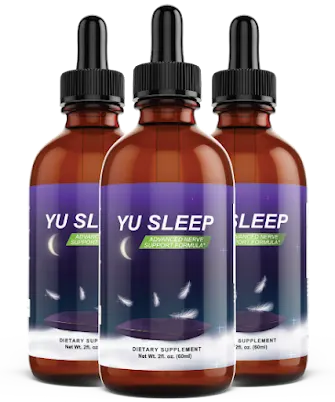
While these strategies are effective, sometimes your body needs an extra push to re-establish healthy sleep patterns. This is where a carefully formulated natural sleep aid can make a difference. Yu Sleep is designed to complement these lifestyle changes, offering a blend of ingredients that work synergistically to help you fall asleep faster, stay asleep longer, and experience more of the deep and REM sleep your body craves.
Key Natural Ingredients for Sleep Support
Magnesium
Role: A vital mineral involved in over 300 biochemical reactions in the body, many of which are crucial for sleep. It helps regulate neurotransmitters that calm the nervous system, such as GABA, and promotes muscle relaxation. Magnesium deficiency is often linked to restless sleep and difficulty falling asleep.
L-Theanine
Role: An amino acid found primarily in green tea, L-Theanine promotes relaxation without causing drowsiness. It increases alpha brain waves, associated with a state of "wakeful relaxation," and may boost levels of GABA, serotonin, and dopamine, helping to reduce stress and improve sleep quality.
Valerian Root
Role: A traditional herbal remedy for sleep and anxiety, Valerian root is believed to increase the availability of GABA in the brain, leading to a calming effect. It can help reduce the time it takes to fall asleep and improve overall sleep structure, including deep sleep.
GABA (Gamma-Aminobutyric Acid)
Role: The primary inhibitory neurotransmitter in the central nervous system. GABA reduces neuronal excitability, essentially calming brain activity. By lowering nerve activity, it helps the body and mind relax, making it easier to fall asleep and achieve deeper, more restorative sleep stages.
Melatonin
Role: The body's natural sleep hormone, melatonin regulates the sleep-wake cycle (circadian rhythm). Supplementing with melatonin can help signal to your body that it's time to sleep, especially useful for those with irregular sleep patterns or jet lag, facilitating the onset of sleep.
Chamomile Extract
Role: A well-known calming herb, chamomile contains apigenin, an antioxidant that binds to specific receptors in your brain that decrease anxiety and initiate sleep. It's often used to promote relaxation and can help improve sleep quality, making it easier to drift into deeper sleep.

Reclaim Your Nights, Reinvigorate Your Days with Yu Sleep
If you're tired of tossing and turning, waking up exhausted, and feeling the daily toll of insufficient deep and REM sleep, it's time for a change. Yu Sleep offers a natural, effective path to the restorative sleep you deserve, helping you optimize your sleep stages for profound well-being.
- ✓ Supports Deeper, More Restorative Sleep
- ✓ Promotes Healthy REM Sleep for Mental Clarity
- ✓ All-Natural, Non-Habit Forming Ingredients
- ✓ Reduces Time to Fall Asleep & Minimizes Awakenings
- ✓ Manufactured in a GMP-Certified Facility in the USA




What Our Customers Are Saying
"Yu Sleep has been a game-changer for me. I used to wake up feeling exhausted, but now I feel truly rested. My mind feels sharper, and my mood is so much better. I'm finally getting the deep sleep I've been missing!"
"After years of struggling with insomnia, I was skeptical, but Yu Sleep delivered. I fall asleep faster and stay asleep, and I actually feel like I'm dreaming more vividly, which I hear is a good sign for REM sleep. Highly recommend!"
"I've tried so many sleep aids, but Yu Sleep is different. It's gentle, I don't feel groggy in the morning, and I've noticed a significant improvement in my energy levels and ability to focus during the day. My sleep quality has truly transformed."
Frequently Asked Questions
Why are REM and deep sleep stages so important for my health?
+REM sleep is crucial for cognitive functions like memory consolidation, learning, and emotional regulation. Deep sleep (NREM Stage 3) is vital for physical restoration, cellular repair, immune system strengthening, and the release of growth hormone. Both are indispensable for overall physical and mental well-being.
How can I tell if I'm not getting enough deep or REM sleep?
+Common signs include persistent daytime fatigue despite adequate hours of sleep, difficulty concentrating, memory problems, increased irritability, weakened immune function, and a general feeling of not being refreshed upon waking. Insomnia and frequent awakenings can disrupt these crucial stages.
Can lifestyle changes truly improve my sleep stages?
+Absolutely. Implementing consistent sleep hygiene practices, maintaining a regular sleep schedule, creating a conducive sleep environment, avoiding caffeine and alcohol before bed, and incorporating regular exercise can significantly improve the quality and duration of your deep and REM sleep. Diet also plays a crucial role.
Are natural supplements safe for improving sleep stages?
+Many natural supplements are generally considered safe for improving sleep, but it's essential to choose reputable brands and consult with a healthcare professional before starting any new regimen, especially if you have underlying medical conditions or are taking other medications. Ingredients like Magnesium, L-Theanine, and Valerian Root are often well-tolerated.
How does Yu Sleep support healthy sleep stages?
+Yu Sleep is formulated with a blend of natural ingredients known for their roles in promoting relaxation, reducing anxiety, and supporting the body's natural sleep cycle. By helping you fall asleep faster and experience fewer awakenings, it aims to facilitate more uninterrupted time in the restorative deep and REM sleep stages, contributing to better overall sleep quality.
What makes Yu Sleep different from other sleep aids?
+Yu Sleep distinguishes itself through its all-natural, non-habit-forming formula, carefully selected to support the body's intrinsic sleep mechanisms without harsh chemicals or sedative effects. Manufactured in a GMP-certified facility in the USA, it focuses on comprehensive sleep support for sustained well-being, backed by a 60-day money-back guarantee.
Related Articles