Are stress and anxiety keeping you from the restful sleep you deserve?
In our fast-paced modern world, it's increasingly common to find ourselves caught in a relentless cycle of stress and worry. While we often acknowledge the mental and emotional toll of these pressures, their profound impact on our sleep quality is frequently underestimated.
The truth is, the connection between stress, anxiety, and insomnia is far from coincidental; it's a deeply intertwined relationship that can lead to a vicious cycle, where poor sleep exacerbates stress, and heightened stress further disrupts sleep. Understanding this stress-insomnia-anxiety connection is the first crucial step towards reclaiming your nights and improving your overall well-being.
The Vicious Cycle: How Stress and Anxiety Fuel Insomnia
It's a common scenario: you've had a demanding day, your mind is racing with worries, and as you finally settle into bed, sleep feels like an impossible dream. This isn't just bad luck; it's the physiological manifestation of how stress and anxiety directly interfere with your body's natural sleep mechanisms.
When you experience stress, your body activates its "fight or flight" response, a primal survival mechanism designed to help you confront danger. This response is orchestrated by the sympathetic nervous system and involves the release of hormones like cortisol and adrenaline. These powerful chemicals increase your heart rate, elevate blood pressure, and heighten alertness – all excellent for escaping a threat, but disastrous for initiating sleep. Instead of winding down, your body is primed for action, making relaxation and sleep onset incredibly difficult.
Anxiety, on the other hand, often manifests as persistent worry, rumination, and a sense of unease. For individuals with anxiety disorders, this mental chatter can become relentless, especially at night when distractions are minimal. The brain struggles to "switch off," leading to a state of hyperarousal where the mind is overactive and agitated. This constant mental activity directly opposes the calm, quiet state necessary for falling asleep. Furthermore, the fear of not sleeping can itself become a significant source of anxiety, creating a self-perpetuating cycle where the worry about insomnia actually causes insomnia.
This interplay creates a detrimental feedback loop: stress and anxiety disrupt sleep, and the resulting sleep deprivation then intensifies feelings of stress and anxiety during the day. This makes it even harder to cope with daily challenges, further escalating the likelihood of another restless night. Breaking this cycle is paramount for both mental health and physical well-being.
💡 Key Takeaway
Stress and anxiety trigger physiological responses (cortisol, adrenaline) and mental rumination that actively prevent the body and mind from relaxing enough to fall asleep, creating a negative feedback loop with insomnia.
The Physiological Mechanisms at Play
Beyond the subjective experience of feeling stressed or anxious, there are concrete biological processes that explain why these states are so detrimental to sleep.
Hormonal Imbalance
Chronic stress leads to sustained high levels of cortisol, the body's primary stress hormone. Cortisol naturally peaks in the morning to help us wake up, but elevated levels at night can suppress melatonin production – the hormone crucial for signaling sleep. This imbalance disrupts the natural circadian rhythm, making it harder to initiate and maintain sleep.
Neurotransmitter Disruption
Stress and anxiety can alter the balance of key neurotransmitters in the brain. For instance, they can reduce the activity of GABA (gamma-aminobutyric acid), a calming neurotransmitter that helps quiet brain activity and promote relaxation. Conversely, they can increase excitatory neurotransmitters, keeping the brain in an awake and alert state.
Increased Arousal and Hypervigilance
Anxiety often comes with a heightened state of arousal, where the body and mind are constantly on alert for potential threats. This hypervigilance makes it difficult to relax into sleep, as any slight noise or sensation can trigger a full awakening. The brain is effectively "stuck" in a mode of vigilance rather than rest.
Impact on Sleep Architecture
Even when sleep is achieved, stress and anxiety can negatively impact its quality. They can reduce the amount of time spent in deep, restorative slow-wave sleep (SWS) and REM sleep, which are vital for physical recovery, memory consolidation, and emotional regulation. This means you might sleep, but not truly rest, leading to daytime fatigue and cognitive impairment.
Physical Manifestations
Stress and anxiety don't just affect the mind; they have physical symptoms too. Muscle tension, headaches, digestive issues, and an elevated heart rate are common. These physical discomforts can make it extremely difficult to find a comfortable position and relax enough to fall asleep, adding another layer to the challenge of insomnia.
Recognizing the Signs: Is Stress or Anxiety Causing Your Sleep Problems?
Identifying the root cause of your sleep issues is crucial for effective treatment. While sleep problems can stem from various factors, certain patterns often point towards stress and anxiety as primary culprits.
One of the most telling signs is difficulty falling asleep. If your mind races with worries the moment your head hits the pillow, replaying conversations, anticipating future events, or fretting over tasks, it's a strong indicator. You might find yourself tossing and turning for hours, feeling increasingly frustrated and awake. This is often accompanied by physical symptoms of tension, such as a tight jaw, restless legs, or a churning stomach.
Another common symptom is frequent nighttime awakenings. You might fall asleep relatively easily but then wake up in the middle of the night, unable to return to sleep. These awakenings are often accompanied by a sudden surge of anxiety or a return to worrying thoughts. Even if you don't remember specific worries, the feeling of being "on edge" or unable to settle back down points to an underlying state of hyperarousal. Learn more about strategies to manage these awakenings in our article on how to fall asleep faster naturally.
Early morning awakenings, where you wake up hours before your alarm and can't get back to sleep, are also closely linked to stress and anxiety, particularly depression. The mind might immediately jump to the day's responsibilities or begin catastrophizing. Furthermore, non-restorative sleep, where you sleep for an adequate number of hours but still wake up feeling tired, unrefreshed, or irritable, is a hallmark of sleep disrupted by mental distress. This indicates that even if you're getting some sleep, it's not the deep, regenerative kind your body and mind need.
Pay attention to any increase in daytime fatigue, irritability, difficulty concentrating, or a general feeling of being overwhelmed. These are all consequences of chronic sleep deprivation and can further exacerbate the cycle of stress and anxiety. If these patterns resonate with your experience, it's highly probable that your mental state is significantly impacting your ability to achieve quality sleep.
Strategies to Break the Cycle: Managing Stress and Anxiety for Better Sleep
While the connection between stress, anxiety, and insomnia can feel overwhelming, there are numerous effective strategies to regain control and foster more restful sleep. A multi-faceted approach, addressing both mental and physical aspects, often yields the best results.
Cognitive Behavioral Therapy for Insomnia (CBT-I)
Considered the gold standard for chronic insomnia, CBT-I addresses the thoughts and behaviors that prevent you from sleeping well. It helps challenge negative thought patterns about sleep, establishes healthy sleep habits, and teaches relaxation techniques. It's a highly effective, drug-free approach.
Mindfulness & Relaxation Techniques
Practices like meditation, deep breathing exercises, progressive muscle relaxation, and yoga can significantly reduce stress and anxiety. Incorporating these into your daily routine, especially before bedtime, can help calm your nervous system and prepare your body for sleep.
Regular Physical Activity
Exercise is a powerful stress reliever. Regular moderate activity can reduce anxiety and improve sleep quality. However, avoid intense workouts too close to bedtime, as they can be stimulating. Aim for at least 30 minutes most days, ideally in the morning or early afternoon.
Optimize Your Sleep Environment & Habits
Create a dark, quiet, cool, and comfortable bedroom. Stick to a consistent sleep schedule, even on weekends. Limit exposure to screens (phones, tablets, computers) at least an hour before bed, as the blue light can interfere with melatonin production. Establish a relaxing bedtime routine to signal to your body that it's time to wind down.
Dietary Adjustments & Supplements
Reduce caffeine and alcohol, especially in the afternoon and evening. Certain nutrients, like magnesium, play a vital role in relaxation and sleep. You can explore natural supplements designed to support sleep without relying on harsh chemicals. For more insights into specific nutrients, see our article on magnesium for sleep.
Seek Professional Support
If stress and anxiety are persistent and severely impacting your sleep and daily life, don't hesitate to consult a healthcare professional. A doctor, therapist, or sleep specialist can provide personalized guidance, diagnose underlying conditions, and recommend appropriate treatments, including therapy or medication if necessary.
The Role of Natural Supplements in Supporting Restful Sleep
For many, managing stress and anxiety through lifestyle changes is a powerful first step, but sometimes, additional support can be beneficial. This is where natural sleep supplements come into play, offering a gentle way to encourage relaxation and prepare the body for sleep without the harsh side effects often associated with pharmaceutical sleep aids.
The market is flooded with various options, but the most effective natural supplements focus on supporting the body's intrinsic mechanisms for sleep and stress reduction. They often work by promoting calming neurotransmitters, reducing anxiety, or helping to regulate the sleep-wake cycle. Unlike prescription medications that often induce sedation, quality natural supplements aim to facilitate a more natural transition into sleep, allowing for more restorative rest. This is particularly important for those whose sleep is disrupted by an overactive mind due to stress and anxiety.
When considering a natural supplement, it's crucial to look for products that are transparent about their ingredients, dosages, and manufacturing processes. Quality matters, as does understanding how each ingredient contributes to the overall goal of better sleep. Many people prefer options that are non-habit-forming and free from artificial additives. For a deeper dive into alternative options, you might find our guide on top sleep supplements without melatonin insightful.
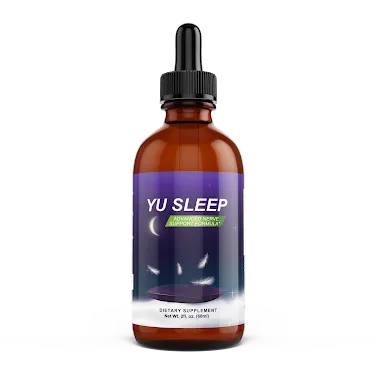
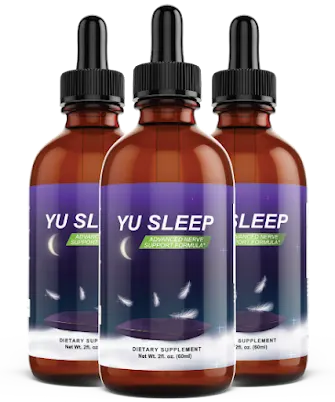
One such option designed to address the challenges of stress-related sleep issues is Yu Sleep. Formulated with a blend of natural ingredients, Yu Sleep aims to help calm the nervous system, reduce mental chatter, and promote a state of relaxation conducive to deep, uninterrupted sleep. It’s important to remember that supplements are best used as part of a holistic approach that includes healthy sleep hygiene and stress management techniques. They are not a magic bullet but can be a valuable tool in your journey towards improved sleep quality.
Key Natural Ingredients to Support Sleep and Relaxation
Many natural compounds have been studied for their potential to calm the mind and body, paving the way for more restful sleep. Here are some of the most prominent ones often found in reputable sleep support formulas like Yu Sleep:
Magnesium
Role: Involved in over 300 biochemical reactions, magnesium helps regulate neurotransmitters that are directly involved in sleep. It can help calm the nervous system, reduce muscle tension, and promote relaxation, often alleviating symptoms of restless leg syndrome which can hinder sleep.
Typically 200-400mgL-Theanine
Role: An amino acid found in green tea, L-Theanine promotes relaxation without causing drowsiness. It increases alpha brain waves, which are associated with a state of "wakeful relaxation," and can enhance GABA activity, helping to quiet an overactive mind and reduce anxiety.
Typically 100-200mgValerian Root
Role: A popular herbal remedy for centuries, Valerian Root is thought to increase GABA levels in the brain, leading to a sedative effect. It can help reduce the time it takes to fall asleep and improve sleep quality, particularly for those with mild to moderate insomnia due to anxiety.
Typically 300-600mgChamomile Extract
Role: Best known for its calming properties, Chamomile contains apigenin, an antioxidant that binds to specific receptors in the brain, helping to decrease anxiety and initiate sleep. It's often used as a gentle sedative and muscle relaxant.
Typically 200-500mg5-HTP (5-Hydroxytryptophan)
Role: A precursor to serotonin, which in turn is converted into melatonin, 5-HTP can help improve mood and sleep. By boosting serotonin levels, it supports the body's natural production of the sleep hormone, aiding in both sleep onset and quality.
Typically 50-200mgGABA (Gamma-Aminobutyric Acid)
Role: As the primary inhibitory neurotransmitter in the brain, GABA reduces neuronal excitability, essentially slowing down brain activity. This helps to promote a sense of calm and relaxation, making it easier to fall asleep and stay asleep, especially when stress-induced overthinking is a factor.
Typically 100-300mg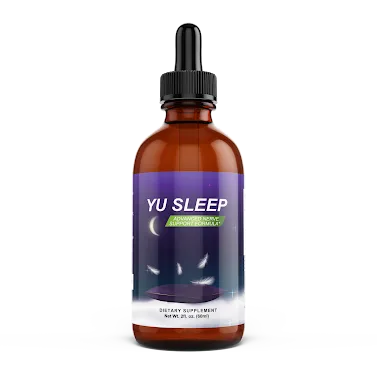
Reclaim Your Nights with Yu Sleep: Natural Support for Restorative Sleep
If the relentless cycle of stress, anxiety, and insomnia is dimming your days and stealing your nights, it's time to discover Yu Sleep. Crafted with a potent blend of clinically-backed natural ingredients, Yu Sleep is designed to gently guide your body and mind into a state of calm, preparing you for the deep, restorative sleep you've been missing.
- ✓ Supports natural relaxation and calm
- ✓ Helps reduce stress-induced mental chatter
- ✓ Promotes faster sleep onset and deeper sleep
- ✓ Non-habit forming and free from harsh chemicals
- ✓ Wake up feeling refreshed, not groggy




What Our Customers Say
"For years, my anxiety made falling asleep a battle. Yu Sleep has been a game-changer. I feel calmer at night and finally get the deep sleep I've craved. Waking up refreshed is a revelation!"
"My stress levels were through the roof, and my sleep suffered badly. Yu Sleep helps me quiet my mind before bed. I'm falling asleep faster and staying asleep, which has made a huge difference in my daytime energy."
"I was skeptical about natural supplements, but Yu Sleep exceeded my expectations. No grogginess, just peaceful sleep. It truly helps with the restless feeling that used to keep me awake."
Frequently Asked Questions
How does stress directly impact my ability to fall asleep?
+Stress triggers the 'fight or flight' response, releasing cortisol and adrenaline. These hormones keep your body alert, making it difficult to relax and initiate sleep, leading to a state of hyperarousal.
Can anxiety cause chronic insomnia?
+Yes, chronic anxiety often leads to chronic insomnia. The persistent worry and mental rumination associated with anxiety can prevent the brain from quieting down, making it hard to fall asleep and stay asleep over long periods.
What are some non-pharmacological ways to manage stress for better sleep?
+Effective strategies include mindfulness meditation, deep breathing exercises, progressive muscle relaxation, regular physical activity (avoiding late evenings), maintaining a consistent sleep schedule, and limiting screen time before bed.
How can I break the cycle of worrying about not sleeping?
+Breaking this cycle involves cognitive behavioral therapy for insomnia (CBT-I), setting aside 'worry time' earlier in the day, focusing on relaxing activities before bed, and understanding that occasional poor sleep is normal. Avoid clock-watching.
Is Yu Sleep a long-term solution for stress-related sleep issues?
+Yu Sleep is formulated with natural ingredients designed to support the body's natural sleep processes and promote relaxation. While it can be a valuable part of a holistic approach, it's best used alongside healthy lifestyle habits for sustainable, long-term sleep improvement.
Are there any side effects associated with natural sleep supplements like Yu Sleep?
+Yu Sleep uses natural ingredients generally well-tolerated. However, as with any supplement, individual reactions can vary. It's always recommended to consult with a healthcare professional before starting any new supplement, especially if you have pre-existing conditions or are taking other medications.
Related Articles